Best Solar Panels for Hot Climates — 2026 Guide
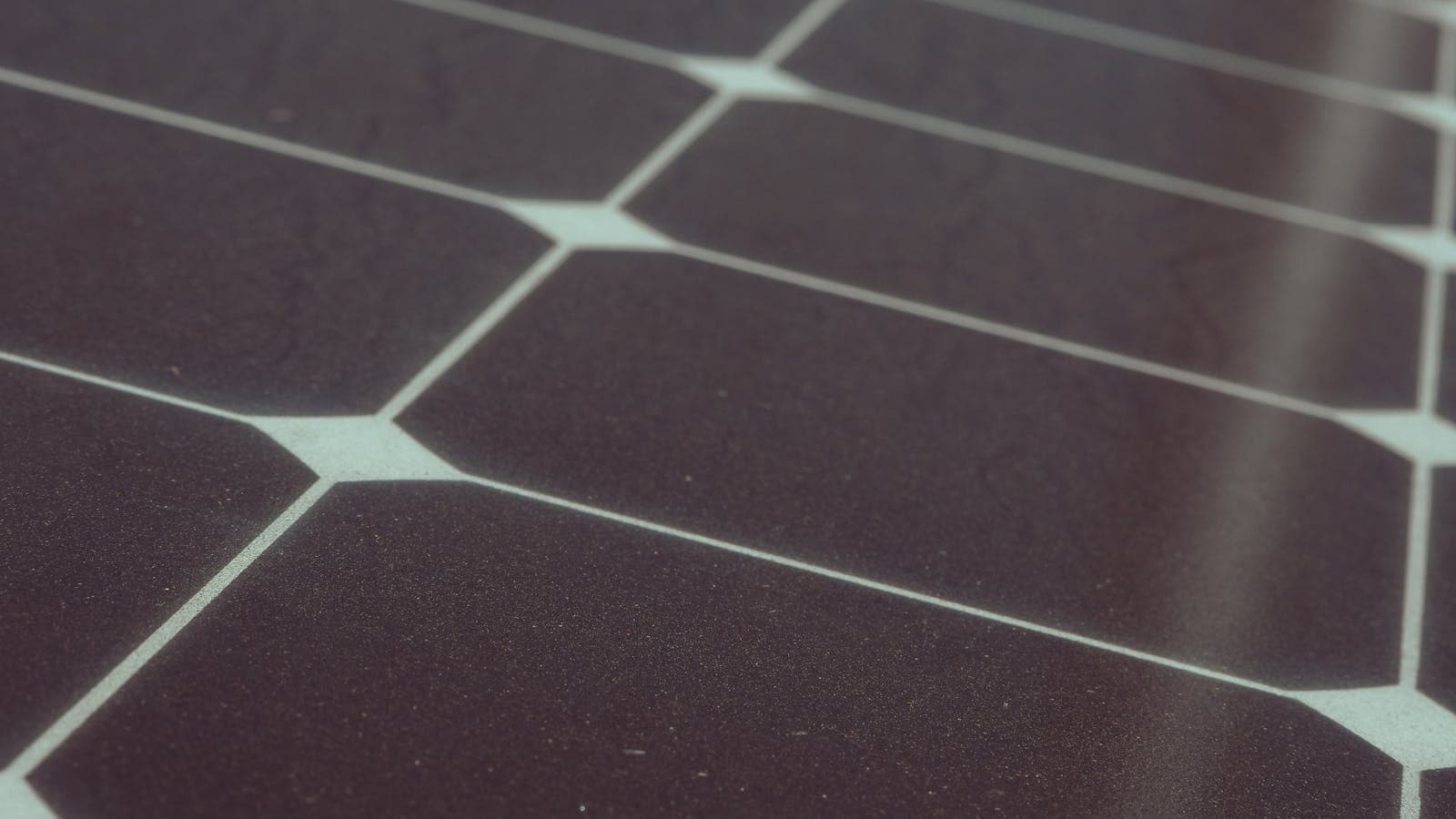
Learn which solar panels perform best in extreme heat. Compare temperature coefficients, N-type vs PERC technology, and top picks for desert environments.
Why Hot Climates Demand Special Solar Panels
Solar panels are rated at Standard Test Conditions (STC) of 25°C cell temperature. In hot climates like the Middle East, North Africa, and South Asia, module temperatures regularly exceed 65–75°C during summer months. This heat reduces output significantly — a panel with a temperature coefficient of −0.40%/°C loses 16–20% of its rated power at 65°C. Choosing panels engineered for high temperatures is critical to maximising your return on investment.
Understanding Temperature Coefficient
The temperature coefficient of Pmax tells you how much power a panel loses for every degree Celsius above 25°C. Lower (more negative) values are worse; values closer to zero are better.
| Technology | Typical Temp. Coefficient | Power Loss at 65°C |
|---|---|---|
| Polycrystalline (P-type) | −0.40 to −0.45%/°C | 16–18% |
| Mono PERC (P-type) | −0.34 to −0.38%/°C | 13.6–15.2% |
| N-type TOPCon | −0.29 to −0.32%/°C | 11.6–12.8% |
| HJT (Heterojunction) | −0.24 to −0.26%/°C | 9.6–10.4% |
The difference between a polycrystalline panel and an N-type TOPCon panel can be 5–7% in real-world output during peak summer — translating to hundreds of kilowatt-hours per year for a typical system.
Best Panel Technologies for Hot Climates
1. N-type TOPCon — Best Balance of Performance and Value
N-type TOPCon cells use a tunnel oxide passivation layer that reduces recombination losses and improves high-temperature performance. The LONGi Hi-MO 7 achieves a temperature coefficient of −0.29%/°C — among the lowest for TOPCon technology. Combined with efficiencies up to 22.8%, this makes it the top choice for hot-climate installations in 2026.
2. HJT (Heterojunction) — Lowest Temperature Coefficient
HJT panels combine crystalline silicon with amorphous silicon layers, achieving temperature coefficients as low as −0.24%/°C. However, HJT panels are typically 20–30% more expensive than TOPCon and are less widely available, making them a niche choice for projects where absolute hot-climate performance justifies the premium.
3. Mono PERC — Proven and Affordable
Mono PERC remains the workhorse of the solar industry. While its temperature coefficient (−0.34 to −0.38%/°C) is higher than N-type alternatives, the LONGi Hi-MO 6 offers excellent value with proven desert reliability and efficiencies up to 21.8%.
Top Solar Panels for Hot Climates in 2026
| Panel | Technology | Efficiency | Temp. Coefficient | Best For |
|---|---|---|---|---|
| LONGi Hi-MO 7 | N-type TOPCon | 22.8% | −0.29%/°C | Best overall hot-climate panel |
| LONGi Hi-MO X6 | N-type TOPCon bifacial | 22.6% | −0.30%/°C | Ground-mount in desert |
| REC Alpha Pure-RX | HJT | 22.3% | −0.24%/°C | Lowest temp coefficient |
| Canadian Solar HiHero | HJT | 22.5% | −0.26%/°C | Premium residential |
| Jinko Tiger Neo | N-type TOPCon | 22.5% | −0.29%/°C | Commercial projects |
| LONGi Hi-MO 6 | Mono PERC | 21.8% | −0.34%/°C | Budget hot-climate option |
Additional Factors for Hot-Climate Solar Installations
Panel Ventilation
Proper airflow beneath panels can reduce cell temperature by 5–10°C. Mount panels with at least 100mm clearance from the roof surface. Ground-mount systems with open racking allow natural convection cooling.
Dust and Soiling
Desert environments cause 15–25% soiling losses without regular cleaning. Anti-reflective and hydrophobic coatings on panels like the LONGi Hi-MO 7 help reduce dust adhesion. Plan for cleaning every 2–4 weeks in dusty regions.
UV Resistance
Intense UV radiation can yellow EVA encapsulant and degrade backsheets. Premium panels use POE (polyolefin elastomer) encapsulant instead of EVA, offering superior UV resistance and longer lifespan in high-irradiance environments.
Humidity and Salt Mist
Coastal desert locations (like Dubai and Abu Dhabi) combine heat with salt mist. Look for panels certified to IEC 61701 (salt mist corrosion) and ensure the frame uses anodised aluminium with sealed junction boxes.
Real-World Performance: UAE Case Study
A 100 kW commercial system in Abu Dhabi comparing LONGi Hi-MO 7 (N-type TOPCon) against a standard Mono PERC panel showed:
- Summer peak (July): Hi-MO 7 produced 4.2% more energy than the PERC panel
- Annual yield: Hi-MO 7 generated 1,720 kWh/kWp vs 1,650 kWh/kWp for PERC — a 4.2% annual advantage
- Year 1 degradation: Hi-MO 7 showed 1.0% degradation vs 2.0% for PERC
Over 30 years, the cumulative energy advantage of N-type TOPCon in hot climates can exceed 8–12% compared to PERC technology.
The coefficient that decides hot-climate output is printed on every family datasheet — the Hi-MO X6 Guardian LR5-72HTDR 565–590 W datasheet is one example — and compare lines two of them up.
Frequently Asked Questions
Do solar panels work well in extreme heat?
Yes, but their output decreases as temperature rises. Panels with low temperature coefficients (like the LONGi Hi-MO 7 at −0.29%/°C) minimise heat-related losses and perform best in hot climates.
What temperature coefficient should I look for in a hot climate?
Look for −0.30%/°C or lower. N-type TOPCon panels typically achieve −0.29 to −0.32%/°C, while HJT panels can reach −0.24%/°C. Avoid polycrystalline panels (−0.40%/°C or worse) in hot regions.
Is it worth paying more for N-type panels in the Middle East?
Absolutely. The 4–8% higher annual energy yield and lower degradation of N-type TOPCon panels more than offset their 5–10% price premium. Over 30 years, N-type panels deliver significantly lower LCOE in hot climates.
Frequently Asked Questions
Do solar panels work well in extreme heat?
What temperature coefficient should I look for in a hot climate?
Is it worth paying more for N-type panels in the Middle East?
- #solar panels hot climate
- #temperature coefficient
- #LONGi Hi-MO 7
- #desert solar panels
- #N-type TOPCon
- #solar panels Middle East
- #heat performance solar
Ready to order?
Every unit in the catalogue carries its price — add it to the cart and order online, then collect it from our store in Dubai or Riyadh.