N-type vs P-type Solar Cells — What's the Difference?
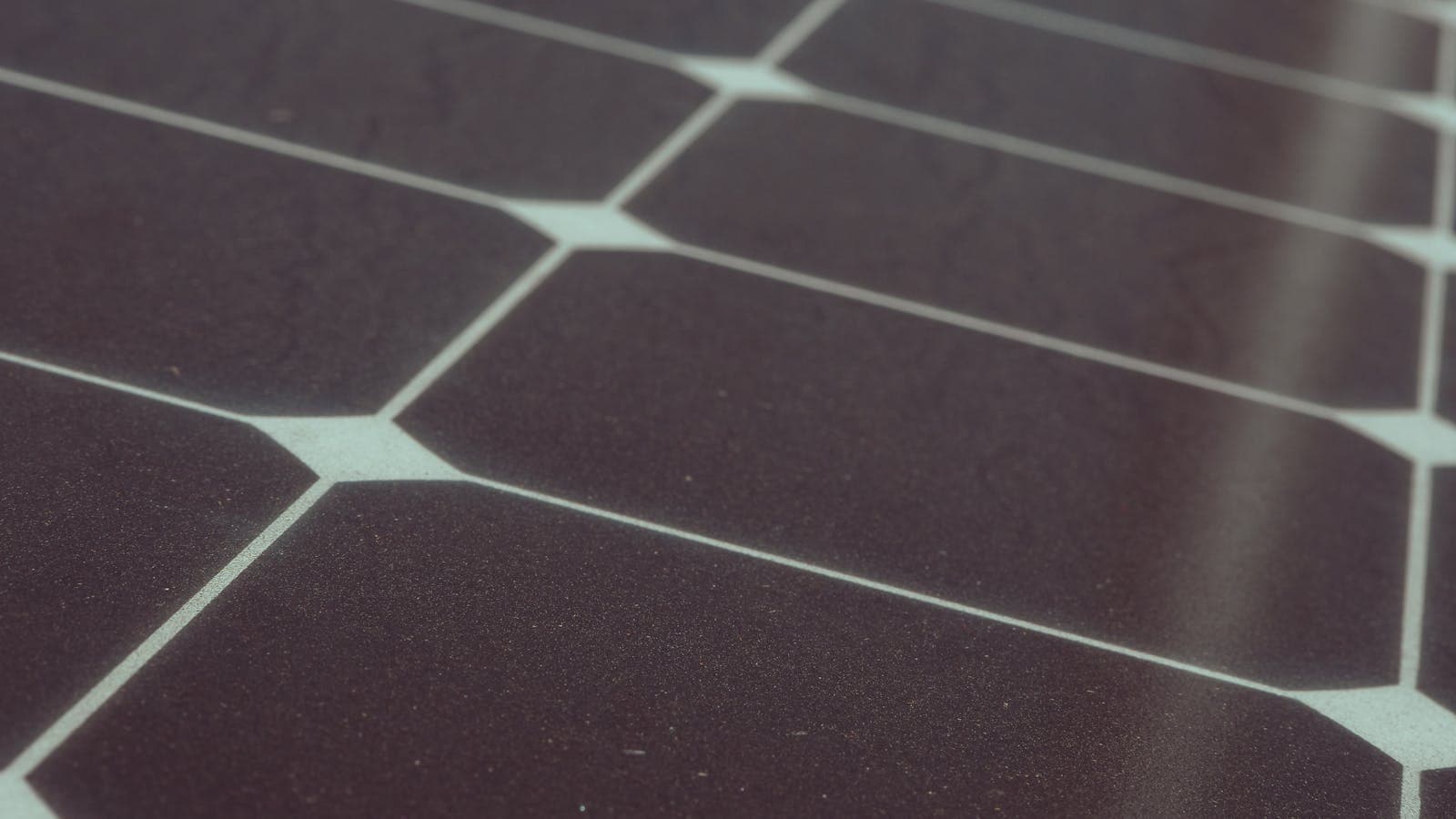
Understand the fundamental difference between N-type and P-type solar cells. Learn why N-type TOPCon is replacing PERC and what it means for your project.
Understanding Silicon Doping
All crystalline silicon solar cells are "doped" with impurities to create an electric field. The type of doping determines whether the cell is P-type or N-type:
- P-type: Silicon doped with boron, creating positive "holes" as majority charge carriers. Used in Mono PERC cells.
- N-type: Silicon doped with phosphorus, creating free electrons as majority charge carriers. Used in TOPCon and HJT cells.
Why N-type Is Superior
1. No Light-Induced Degradation (LID)
P-type cells suffer from boron-oxygen (B-O) defects that cause 1–3% power loss in the first hours of sun exposure. N-type cells use phosphorus doping and are virtually immune to LID, maintaining higher output from day one.
2. Lower Temperature Coefficient
N-type cells achieve −0.29 to −0.32%/°C versus −0.34 to −0.38%/°C for P-type PERC. In hot climates, this means 2–4% more energy annually.
3. Inherent PID Resistance
Potential Induced Degradation affects P-type cells in humid, high-voltage conditions. N-type cells are naturally resistant to PID due to their negative base doping.
4. Higher Efficiency Ceiling
N-type silicon has higher minority carrier lifetime, enabling greater cell efficiency. The current world record for N-type TOPCon is 26.5%, compared to 24.0% for PERC.
5. Lower Degradation Over Time
N-type panels typically degrade at 0.4%/year compared to 0.55%/year for P-type PERC. After 25 years, N-type retains approximately 5% more of its original output.
Comparison Table
| Feature | P-type (PERC) | N-type (TOPCon) |
|---|---|---|
| Doping element | Boron | Phosphorus |
| LID susceptibility | Yes (1–3% loss) | Virtually none |
| PID resistance | Requires treatment | Inherent |
| Temperature coefficient | −0.34 to −0.38%/°C | −0.29 to −0.32%/°C |
| Max module efficiency | 21.8% | 22.8% |
| Annual degradation | 0.55%/year | 0.40%/year |
| Output at year 25 | ~84.8% | ~89.4% |
| Cost premium | Baseline | +5–8% |
| LONGi product | Hi-MO 6 | Hi-MO 7 |
The Industry Transition
In 2024, N-type overtook P-type in global manufacturing capacity for the first time. By 2026, N-type TOPCon accounts for approximately 55% of new panel production. LONGi led this transition, being among the first to mass-produce N-type TOPCon panels at scale.
On a record, the cell type shows up in the temperature coefficient row: open an N-type and a P-type panel together on the compare page, or read each family's table from the datasheets index.
Frequently Asked Questions
Is N-type worth the extra cost?
Yes. The 5–8% price premium is offset by higher efficiency, lower degradation, and better hot-climate performance. Over 25 years, N-type panels generate 5–10% more total energy than PERC equivalents.
Can I tell if a panel is N-type or P-type?
Check the datasheet. N-type panels will specify "N-type TOPCon" or "N-type HJT" as the cell technology. You can also check the first-year degradation — N-type typically guarantees 1% vs 2% for P-type.
Should I still buy P-type panels?
P-type Mono PERC (like LONGi Hi-MO 6) remains a good choice for budget-conscious projects in temperate climates. For hot climates and long-term value, N-type is recommended.
Frequently Asked Questions
Is N-type worth the extra cost?
How can I tell N-type from P-type?
Should I still buy P-type?
- #N-type vs P-type
- #solar cell types
- #N-type TOPCon
- #P-type PERC
- #LONGi Hi-MO 7
- #solar cell technology
- #LID degradation
Ready to order?
Every unit in the catalogue carries its price — add it to the cart and order online, then collect it from our store in Dubai or Riyadh.