LONGi Hi-MO X10 vs Jinko Tiger Neo: Which Panel Wins? (2026)
LONGi Hi-MO X10 vs Jinko Tiger Neo 72HL4: 23.5–24.8% against 22.0–22.6% efficiency, −0.26 against −0.30%/°C, real-world yield and price per watt compared.
The LONGi Hi-MO X10 and Jinko Tiger Neo N-type 72HL4 represent the cutting edge of what two of the world's largest solar manufacturers can offer. These are not budget panels — they are flagship products built on the most advanced cell technologies available in 2026. This comparison examines how they differ, where each excels, and which is the better fit for different project types.
Technology Deep Dive
LONGi Hi-MO X10: HPBC 2.0 Back-Contact Architecture
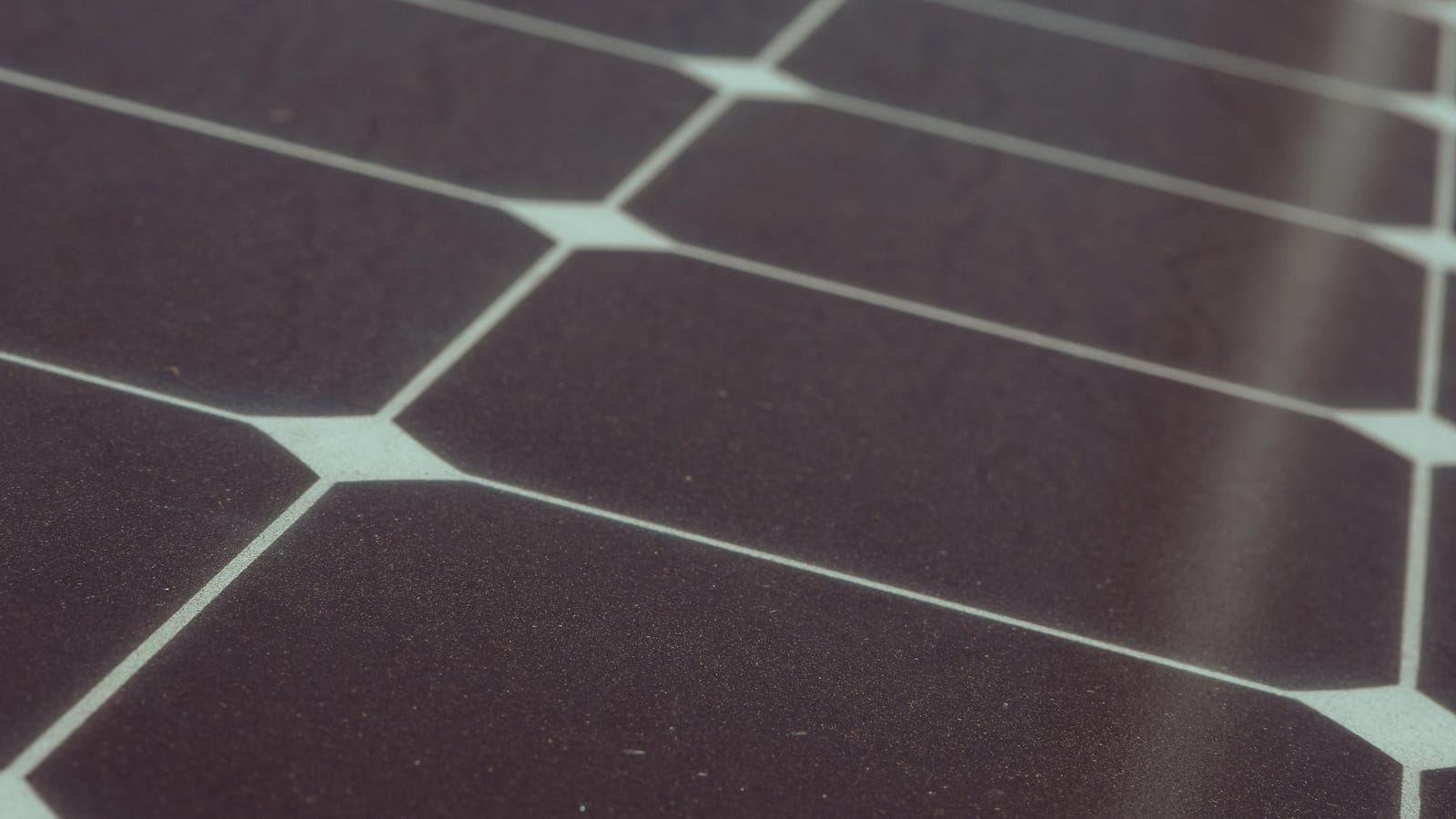
The Hi-MO X10 records name three things: an N-type TaiRay wafer, LONGi's HPBC 2.0 (Hybrid Passivated Back Contact) cell and a zero-busbar (0BB) layout. A back-contact cell carries its metal contacts on the rear, which removes front-side shading losses and improves both efficiency and aesthetics.
What the Hi-MO X10 records state:
- Temperature coefficient: -0.26%/°C on Pmax on every Hi-MO X10 model we list; the records credit the back-contact cell with a lower operating temperature.
- Degradation: the Hi-MO X10 records that publish a figure state 0.35% power degradation a year.
- Bifaciality: the bifacial double-glass Hi-MO X10 models state 70%.
Jinko Tiger Neo 72HL4: N-type TOPCon
The Tiger Neo uses N-type TOPCon (Tunnel Oxide Passivated Contact) cells. TOPCon deposits an ultra-thin silicon oxide tunnel layer and a doped polysilicon layer on the rear surface of the cell. This reduces rear-surface recombination losses while maintaining compatibility with existing PERC manufacturing equipment — a crucial advantage for production scale and cost.
Key technology advantages of TOPCon:
- Manufacturing maturity: TOPCon builds on the widely deployed PERC production platform, making it fast and inexpensive to scale.
- Cost efficiency: Lower silver paste consumption and compatibility with existing factory lines give TOPCon a structural cost advantage.
- Strong performance: While not quite matching the Hi-MO X10 on temperature coefficient, N-type TOPCon delivers a major step up from P-type PERC in efficiency, degradation, and bifaciality.
Specification Comparison Table
| Specification | LONGi Hi-MO X10 | Jinko Tiger Neo 72HL4 |
|---|---|---|
| Cell Technology | HPBC 2.0 (back-contact) | N-type TOPCon |
| Cell Size | 182mm (M10) | 182mm (M10) |
| Module Efficiency | 23.5 - 24.8% | 22.0 - 22.6% |
| Maximum Power (Pmax) | 480 - 670 Wp | 575 - 615 Wp |
| Temperature Coefficient (Pmax) | -0.26%/°C | -0.30%/°C |
| Open Circuit Voltage (Voc) | 40.29 - 54.52 V | ~51.8 V |
| Short Circuit Current (Isc) | 12.15 - 16.78 A | ~15.0 A |
| First-Year Degradation | 1.0% | 1.0% |
| Annual Degradation | 0.35% | 0.40% |
| 30-Year Output Guarantee | ≥87.4% | ≥86.2% |
| Product Warranty | 12 years | 12 years |
| Performance Warranty | 30 years | 30 years |
| Bifacial Factor | 70±5% or 70–95%, by model (bifacial models) | ≥80% |
| Frame | Anodised aluminium alloy, 30mm | Anodised aluminium, 35mm |
| Weight | 16.3 - 33.5 kg | ~31 kg |
| Certifications | IEC 61215, IEC 61730, UL | IEC 61215, IEC 61730, UL |
The Hi-MO X10 column is the range across every Hi-MO X10 model we list, from the 54-cell to the 72-cell formats. For the 72-cell model closest to the Tiger Neo 72HL4, see the LONGi Hi-MO X10 Scientist LR7-72HVD 640–665 W datasheet and the Hi-MO X10 Scientist LR7-72HVD 655W product page.
Peak Efficiency vs Real-World Yields
The Hi-MO X10's peak module efficiency of up to 24.8% is notably higher than the Tiger Neo's 22.6%. But how does this translate to actual energy production?
Hot Climate Performance
In the GCC, where panel temperatures routinely exceed 65°C in summer, the temperature coefficient becomes the single most important differentiator. At a panel temperature of 70°C (45°C above STC):
- LONGi Hi-MO X10: Power loss = 45 x 0.26% = 11.7%
- Jinko Tiger Neo: Power loss = 45 x 0.30% = 13.5%
That 1.8 percentage point difference means the Hi-MO X10 retains roughly 2% more of its rated output at peak summer temperatures. Over a full year in the GCC, independent modelling typically shows the Hi-MO X10 producing 1.5-3% more energy per installed watt than the Tiger Neo, depending on the specific site conditions.
Temperate Climate Performance
In cooler climates where panel temperatures rarely exceed 50°C, the temperature coefficient advantage is less pronounced. The Hi-MO X10 still leads on peak efficiency, but the practical energy yield gap narrows to roughly 1-1.5%. In these conditions, the Tiger Neo's lower price per watt can make it the better financial choice.
Price Per Watt Analysis
TOPCon is a lower-cost cell to manufacture, and on the wider market that usually shows up as a lower module price for TOPCon panels such as the Tiger Neo 72HL4. On this site every LONGi panel, the Hi-MO X10 included, is priced at USD 0.169 per watt of rated power.
Price is therefore one input among several. Buyers must evaluate whether the Hi-MO X10's higher efficiency, better temperature performance, and lower degradation generate enough additional energy over 30 years to justify any difference in upfront cost. For hot-climate projects with high electricity tariffs or self-consumption models, the answer is frequently yes. For utility-scale projects in temperate climates selling power at low PPA rates, the Tiger Neo's lower CAPEX often wins.
Warranty and Long-Term Confidence
The Hi-MO X10 states a 12-year product warranty, the same term as the Tiger Neo 72HL4 in this comparison. Both carry 30-year performance warranties, but LONGi guarantees a higher output at the end of that period (87.4% vs 86.2%).
Which Panel Should You Choose?
The right choice depends entirely on your project context:
- Choose LONGi Hi-MO X10 if: Your project is in a hot climate (GCC, Middle East, North Africa, South Asia), you have limited installation area and need maximum energy per square metre, you are building a system for self-consumption with high electricity savings, or long-term yield maximisation is your top priority.
- Choose Jinko Tiger Neo if: Budget optimisation and lowest CAPEX are your primary goals, you are developing a utility-scale project in a temperate climate, you need large volumes at competitive pricing, or the project's financial model is more sensitive to upfront cost than lifetime yield.
Conclusion
The LONGi Hi-MO X10 and Jinko Tiger Neo 72HL4 are both outstanding solar panels that represent the best of their respective technology platforms. The Hi-MO X10 is the technical leader — higher efficiency, better temperature coefficient, and lower degradation. The Tiger Neo is the value leader — strong N-type performance at a price point that is hard to beat at scale. Neither is objectively "better" — the right panel is the one that delivers the best financial return for your specific project conditions.
The Hi-MO X10 figures above come from our records; the Hi-MO X10 series page lists every model, and the sizing calculator counts how many a given home needs.
Frequently Asked Questions
What is the main technology difference between LONGi Hi-MO X10 and Jinko Tiger Neo?
Is the LONGi Hi-MO X10 worth the price premium over the Jinko Tiger Neo?
Which panel produces more energy over 30 years?
- #LONGi Hi-MO X10 vs Jinko Tiger Neo
- #back contact vs TOPCon
- #premium solar panels
- #solar panel comparison 2026
- #LONGi Solar
- #Jinko Solar
- #N-type solar panels
- #GCC solar
- #price per watt solar
Ready to order?
Every unit in the catalogue carries its price — add it to the cart and order online, then collect it from our store in Dubai or Riyadh.