Jinko vs LONGi Solar Panels: Which Is Better? (2026)
Jinko vs LONGi: Hi-MO X10 at 23.5–24.8% efficiency and −0.26%/°C against Jinko N-type at 22.26–24.80% and −0.29 or −0.26%/°C, with warranties compared.
LONGi and Jinko Solar are two of the world's largest photovoltaic manufacturers, and both are widely available across the GCC region. Choosing between them depends on your project priorities: peak efficiency, long-term reliability, or upfront cost. This guide compares their flagship product lines so you can make an informed decision.
Company Profiles at a Glance
LONGi Green Energy is the world's most valuable solar company and the largest producer of monocrystalline silicon wafers. LONGi has built its reputation on vertical integration and R&D intensity, holding multiple world records for cell efficiency. The company ships over 70 GW of modules annually.
Jinko Solar holds the largest global module shipment market share and has consistently ranked as the world's top-shipping manufacturer since 2019. Jinko is known for aggressive pricing, rapid technology adoption, and a vast global distribution network that makes its panels available almost everywhere.
Cell Technology: Back Contact vs TOPCon
The core technology difference between these brands in 2026 centres on cell architecture:
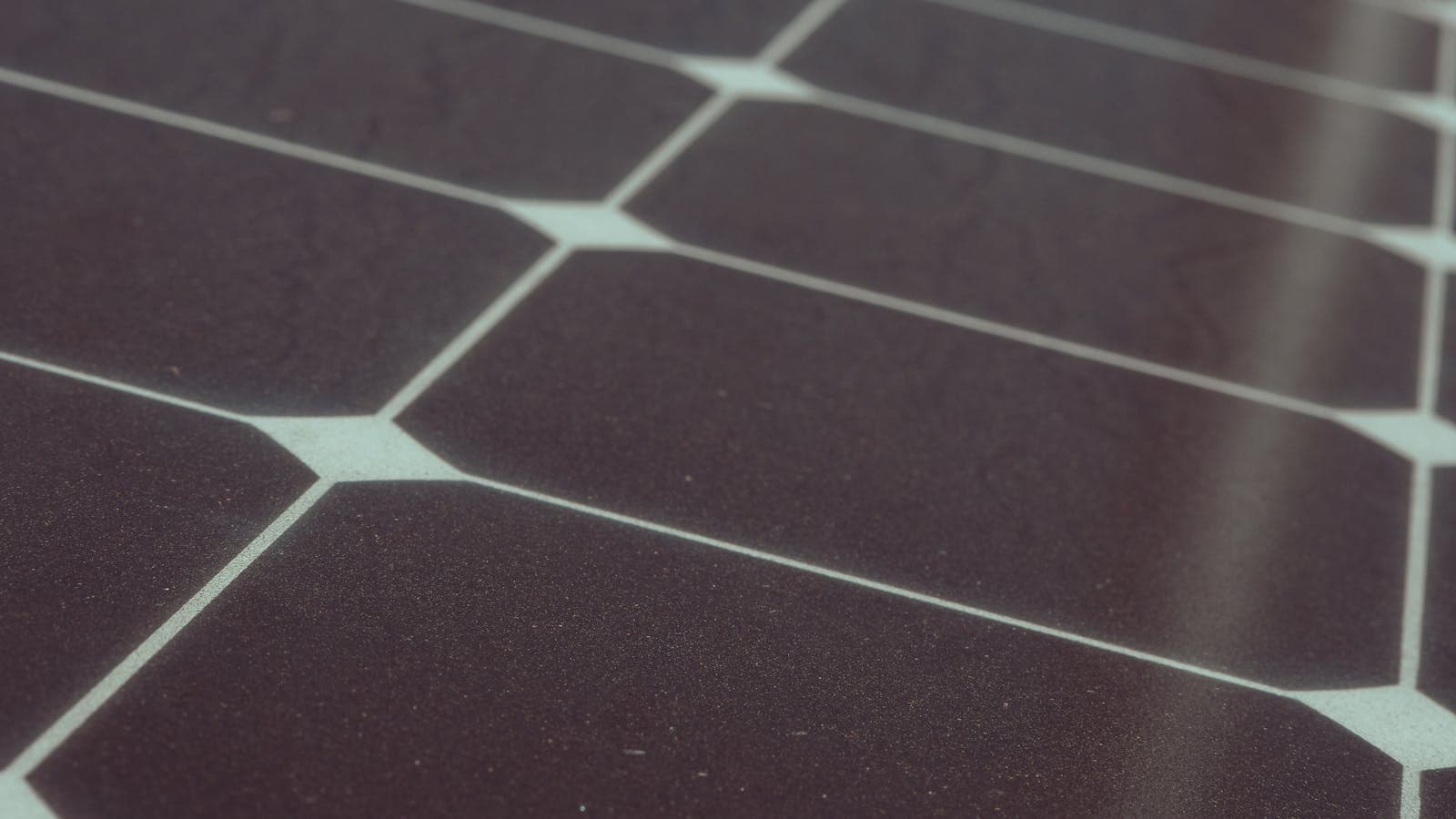
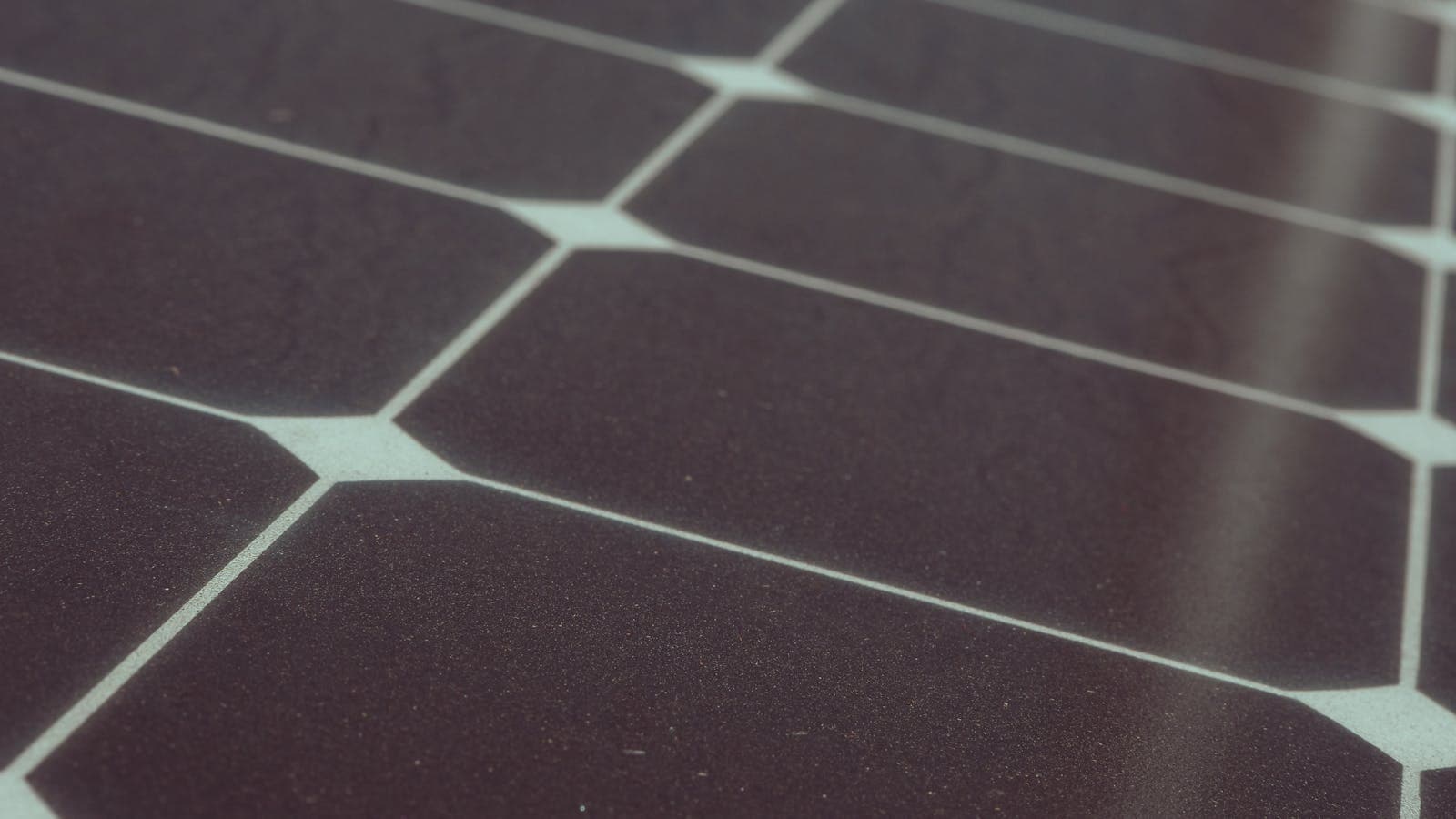
- LONGi Hi-MO X10: Built on LONGi's HPBC 2.0 back-contact cell, which its product records pair with an N-type TaiRay wafer and a zero-busbar (0BB) layout. With the contacts on the rear, the front of the cell is left clear of busbar shading.
- LONGi Hi-MO X6: Uses LONGi's HPBC (Hybrid Passivated Back Contact) cell.
- Jinko Tiger Neo: Built on N-type TOPCon (Tunnel Oxide Passivated Contact) cells. TOPCon adds an ultra-thin tunnelling oxide layer to reduce electron recombination, achieving high efficiency at scale with proven manufacturing processes.
- Jinko Tiger Pro: Uses older-generation P-type PERC cells. Still a solid and cost-effective option, though it is being phased out in favour of the Tiger Neo line.
Both back-contact and TOPCon cells outperform traditional PERC. On the records compared here every Hi-MO X10 model states a Pmax temperature coefficient of -0.26%/°C; the Jinko N-type records state -0.26%/°C on 32 models and -0.29%/°C on 40. TOPCon currently benefits from lower manufacturing costs and broader supply-chain maturity.
Specification Comparison Table
| Specification | LONGi Hi-MO X10 | LONGi Hi-MO X6 | Jinko N-type |
|---|---|---|---|
| Cell Technology | HPBC 2.0 (back contact) | HPBC (back contact) | N-type Mono-crystalline |
| Module Efficiency | 23.5 - 24.8% | 21.3 - 23.3% | 22.26 - 24.80% |
| Wattage Range | 480 - 670 Wp | 415 - 630 Wp | 445 - 735 Wp |
| Temperature Coefficient | -0.26%/°C | -0.28 to -0.35%/°C | -0.29 or -0.26%/°C, by model |
| First-Year Degradation | 1.0% | 1.0% | — |
| Annual Degradation | 0.35% | 0.40% | — |
| Product Warranty | 12 years | 12 years | 12, 15 or 25 years, by model |
| Performance Warranty | 30 years | 30 years | 30 years |
| Bifacial Option | Yes | Yes | Yes (63 of 80 models) |
The LONGi columns are ranges across the models we list. For a single model, open the LONGi Hi-MO X10 Scientist LR7-72HVH 640–670 W datasheet or the LONGi Hi-MO X6 Max Explorer LR7-72HTH 605–615 W datasheet, or go to the Hi-MO X10 Scientist LR7-72HVH 640W and Hi-MO X6 Max Explorer LR7-72HTH 610W product pages.
The Jinko column is the range across the 80 Jinko N-type panels our Jinko store lists at jinko-solar.ae; a dash means those records state no figure.
Efficiency and Real-World Performance
On the records, the Hi-MO X10 states a module efficiency of 23.5–24.8% across its models and the Jinko N-type range 22.26–24.80% across its 80: the two top out level, and the Hi-MO X10 starts higher. The temperature coefficient matters in hot climates like the UAE, Saudi Arabia, and Oman, where panel surface temperatures routinely exceed 60°C: every Hi-MO X10 model states -0.26%/°C, a figure 32 of the Jinko models also state, while 40 state -0.29%/°C.
Jinko's Tiger Neo delivers strong performance that is very competitive with the Hi-MO X6. Where Jinko often wins is on price per watt: the company's massive production scale and aggressive pricing strategy mean that Tiger Neo modules are frequently among the most cost-competitive N-type panels on the market.
Degradation and Long-Term Reliability
LONGi's Hi-MO X10 states 0.35% annual degradation, which means after 30 years the panel should still deliver over 88% of its original output. The Jinko records state no degradation figure, so the two are not compared on it here; what both state is a 30-year performance warranty.
Warranty Comparison
The Hi-MO X6 and X10 panels we list state a 12-year product warranty and a 30-year performance warranty. The Jinko N-type records state a 30-year performance warranty on all 80 models and a product warranty of 12 years on 51, 15 years on 23 and 25 years on 6 of them. On performance warranty the two are level; on product warranty it depends on the Jinko model.
GCC Availability and Project Track Record
Both brands have strong distribution networks across the GCC. Jinko has an edge in sheer volume, as its market-share leadership means panels are available from a wider number of distributors and at more aggressive price points. LONGi has been steadily expanding its GCC presence, with notable deployments in large-scale utility projects across the region. Both brands are Tier 1 bankable and accepted by all major project finance institutions.
Installation Notes: Appearance and Mixing Strings
LONGi's HPBC back-contact design eliminates visible front busbars, giving a cleaner, more uniform look that residential installers often prefer for street-facing roofs. On UAE track record, LONGi panels are deployed at the Mohammed bin Rashid Al Maktoum Solar Park, alongside the project's other Tier 1 suppliers. One practical note for mixed installations: do not wire LONGi and Jinko panels into the same string, since their electrical characteristics differ — each brand should sit on its own MPPT input.
Conclusion
Both LONGi and Jinko manufacture excellent solar panels that belong in the top tier of the global market. LONGi's Hi-MO X10 is a strong choice where a -0.26%/°C temperature coefficient on every model and a busbar-free front matter most. Jinko's Tiger Neo offers outstanding value per watt and is hard to beat when budget optimisation matters most. For GCC projects, both brands are reliable, bankable, and widely supported. Your decision should ultimately come down to whether you prioritise maximum energy yield per square metre (LONGi) or the lowest cost per installed watt (Jinko).
To take the LONGi half of this comparison further, compare puts any two of our panels on the same rows, and the grid-tied villa system shows a counted LONGi array for a home with four air conditioners.
Frequently Asked Questions
Which is more efficient, LONGi or Jinko solar panels?
Are Jinko solar panels cheaper than LONGi?
Which brand is better for solar projects in the UAE and GCC?
- #LONGi vs Jinko
- #solar panel comparison
- #back contact vs TOPCon
- #LONGi Hi-MO X10
- #Jinko Tiger Neo
- #GCC solar panels
- #UAE solar
- #solar efficiency 2026
Ready to order?
Every unit in the catalogue carries its price — add it to the cart and order online, then collect it from our store in Dubai or Riyadh.