400W vs 500W vs 600W Solar Panels: Which Size Fits?
Compare 400W, 500W, and 600W solar panels by efficiency, cost per watt, and best use case to find the ideal wattage for your project.
Introduction
Solar panel wattages have increased dramatically over the past five years. Where 300W panels were once standard, today's modules range from 400W residential panels to 600W+ commercial and utility-scale modules. But bigger is not always better — the right wattage depends on your roof space, budget, inverter compatibility, and installation type.
This guide compares 400W, 500W, and 600W solar panels across every important factor to help you choose the ideal size for your project.
Panel Size and Dimensions Comparison
| Specification | 400W Panel | 500W Panel | 600W Panel |
|---|---|---|---|
| Typical dimensions | 1,722 × 1,134 mm | 2,094 × 1,134 mm | 2,278 × 1,134 mm |
| Weight | ~21 kg | ~27 kg | ~32 kg |
| Cell count | 108 half-cut | 132 half-cut | 144 half-cut |
| Cell size | 182 mm | 182 mm | 182 mm |
| Efficiency range | 20.5–21.5% | 21.0–22.0% | 21.5–22.8% |
| Best application | Residential rooftops | Large residential / small commercial | Commercial & utility |
Efficiency and Energy Yield
Higher-wattage panels generally use the same cell technology as their smaller counterparts — the difference is primarily in the number of cells. A 600W panel has roughly 33% more cells than a 400W panel, so it produces proportionally more power from a larger surface area.
However, 600W panels from manufacturers like LONGi often incorporate the latest cell technologies (N-type TOPCon) first, which means they may achieve slightly higher cell efficiencies. The LONGi Hi-MO 7 600W achieves 22.8% module efficiency, while a comparable 400W module might reach 21.3%.
Energy Output Per Panel Per Day (UAE Example)
Assuming 5.5 peak sun hours per day in Dubai:
- 400W panel: 400W × 5.5h × 0.82 (system losses) = 1.80 kWh/day
- 500W panel: 500W × 5.5h × 0.82 = 2.26 kWh/day
- 600W panel: 600W × 5.5h × 0.82 = 2.71 kWh/day
Cost Per Watt Analysis
Every LONGi panel on this site is priced at USD 0.169 per watt of rated power, so the price of a panel follows its wattage:
| Panel Size | Approx. Price (USD) | Cost per Watt |
|---|---|---|
| 400W (Mono PERC) | ≈ $68 | $0.169/W |
| 500W (N-type TOPCon) | ≈ $85 | $0.169/W |
| 600W (N-type TOPCon) | ≈ $101 | $0.169/W |
A 600W panel has the higher absolute price, but its cost per watt is the same as a 500W module's. The real savings come from reduced installation labour — fewer panels means fewer mounting clamps, fewer cable connections, and faster installation times.
Installation Considerations
Roof Space
A 10 kW residential system requires:
- 400W panels: 25 panels → ~49 m² of roof area
- 500W panels: 20 panels → ~47 m² of roof area
- 600W panels: 17 panels → ~44 m² of roof area
If roof space is limited, higher-wattage panels help you maximise capacity. However, 600W panels are physically large (2.28m long) and may not fit through standard doorways or stairwells for rooftop access.
Weight and Structural Load
A 600W panel at 32 kg is 50% heavier than a 400W panel at 21 kg. While the weight per square metre is similar, individual panel handling requires two people for 600W modules. Ensure your roof structure can support the total system weight, including mounting rails.
Inverter Compatibility
Higher-wattage panels have higher open-circuit voltages (Voc) and short-circuit currents (Isc). A typical 600W panel has a Voc of ~51V and Isc of ~14.5A. Ensure your inverter's MPPT input range accommodates the string voltage and current.
Which Wattage Should You Choose?
Choose 400W Panels If:
- You have a small residential rooftop with complex geometry
- Roof access is through narrow stairways
- You are using microinverters (which are typically rated for ≤400W panels)
- Budget is the primary concern and PERC technology suffices
Choose 500W Panels If:
- You have a medium-to-large residential or small commercial roof
- You want N-type TOPCon technology at a moderate panel size
- You need a balance between handling ease and energy density
Choose 600W Panels If:
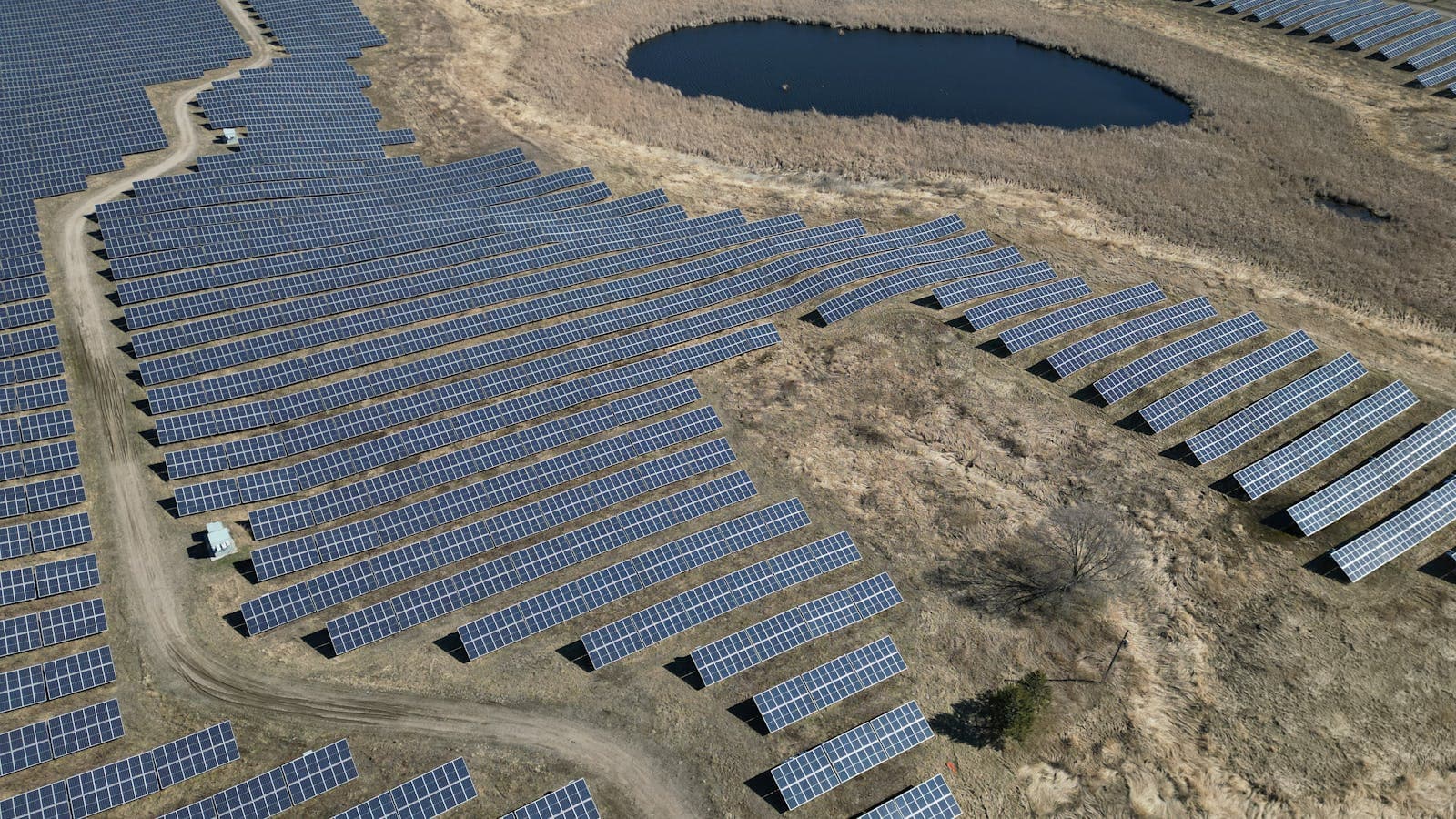
- You are building a commercial or utility-scale system
- Installation is ground-mount or on a large flat commercial roof
- You want to minimise labour costs through fewer panel connections
- You want the latest and highest-efficiency technology (LONGi Hi-MO 7)
LONGi Panel Options by Wattage
- 400W range: LONGi Hi-MO 6 (400–430W) — Mono PERC, ideal for residential
- 500W range: LONGi Hi-MO 6 (500–540W) — Mono PERC, versatile mid-range
- 600W range: LONGi Hi-MO 7 (560–600W) — N-type TOPCon, best-in-class efficiency
To see what each class does to a real roof, the sizing calculator returns a panel count and a roof area, and the 6 kW worked example compares 510 W, 550 W and 650 W modules for the same array. The 400 W-class figures are on the Hi-MO 5m LR5-54HPH 405–425 W datasheet.
Frequently Asked Questions
Is a 600W solar panel better than a 400W panel?
A 600W panel produces more power per unit but is physically larger and heavier. For residential rooftops with limited space, 400W panels may be more practical. For commercial and utility projects, 600W panels reduce installation costs and maximise energy density.
How many 500W panels do I need for a 10 kW system?
You need 20 panels: 10,000W ÷ 500W = 20 panels. This would require approximately 47 m² of unshaded roof space and produce around 45 kWh per day in the UAE.
Can I mix different wattage panels in one system?
It is not recommended to mix wattages within the same string, as the lowest-performing panel limits the entire string's output. However, you can use different wattages on separate MPPT inputs of your inverter.
Frequently Asked Questions
Is a 600W solar panel better than a 400W panel?
How many 500W panels do I need for a 10 kW system?
Can I mix different wattage panels in one system?
- #400W solar panel
- #500W solar panel
- #600W solar panel
- #panel wattage comparison
- #LONGi Hi-MO
- #solar panel size guide
- #residential vs commercial solar
Ready to order?
Every unit in the catalogue carries its price — add it to the cart and order online, then collect it from our store in Dubai or Riyadh.