How Temperature Affects Solar Panel Performance — Data & Solutions
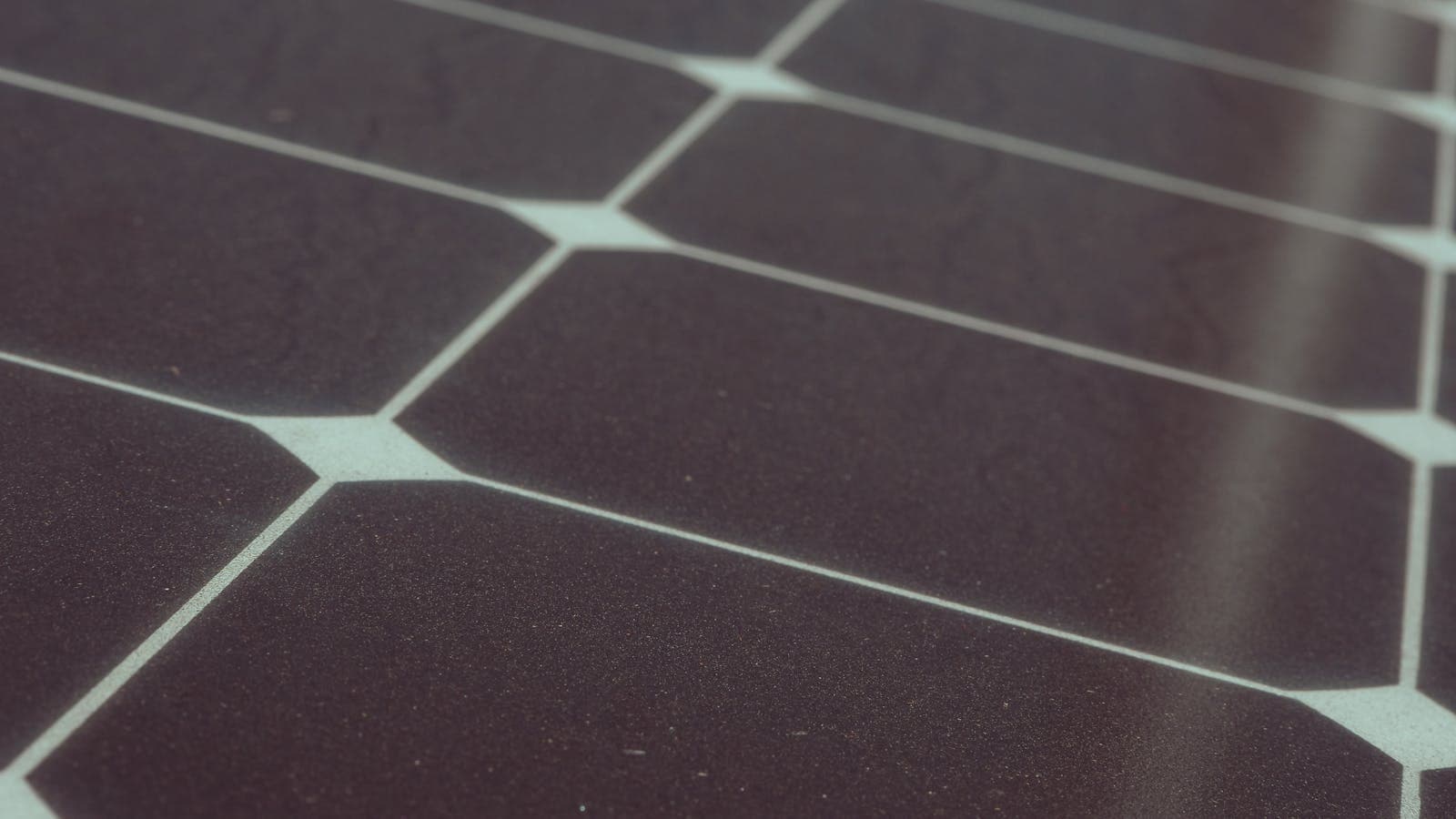
Discover how heat reduces solar panel output and what you can do about it. Real performance data from UAE installations with LONGi Hi-MO panels.
The Heat Paradox
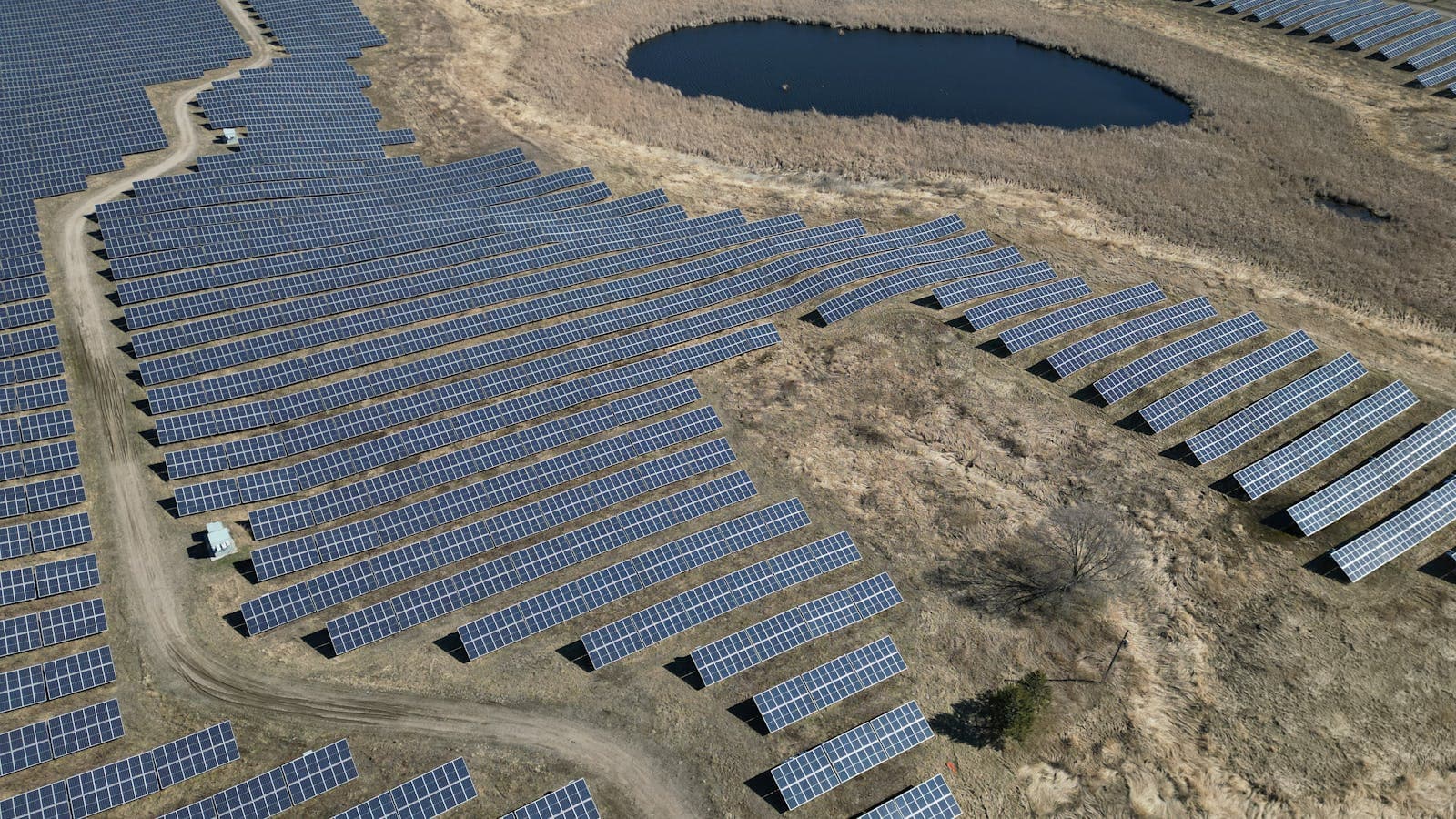
Solar panels need sunlight but not heat. While sun-rich regions like the Middle East offer abundant irradiance (5.5–6.0 PSH), the extreme temperatures simultaneously reduce panel output. Understanding and mitigating this effect is crucial for maximising your investment.
How Heat Reduces Output
Solar cells are semiconductor devices. As temperature rises, the bandgap energy decreases, increasing current slightly but decreasing voltage significantly. The net effect is a reduction in power output proportional to the temperature coefficient.
Real-World UAE Temperature Data
| Month | Ambient Temp (°C) | Module Temp (°C) | Power Loss (Hi-MO 7) |
|---|---|---|---|
| January | 20 | 40 | 4.4% |
| April | 32 | 55 | 8.7% |
| July | 42 | 72 | 13.6% |
| October | 33 | 56 | 9.0% |
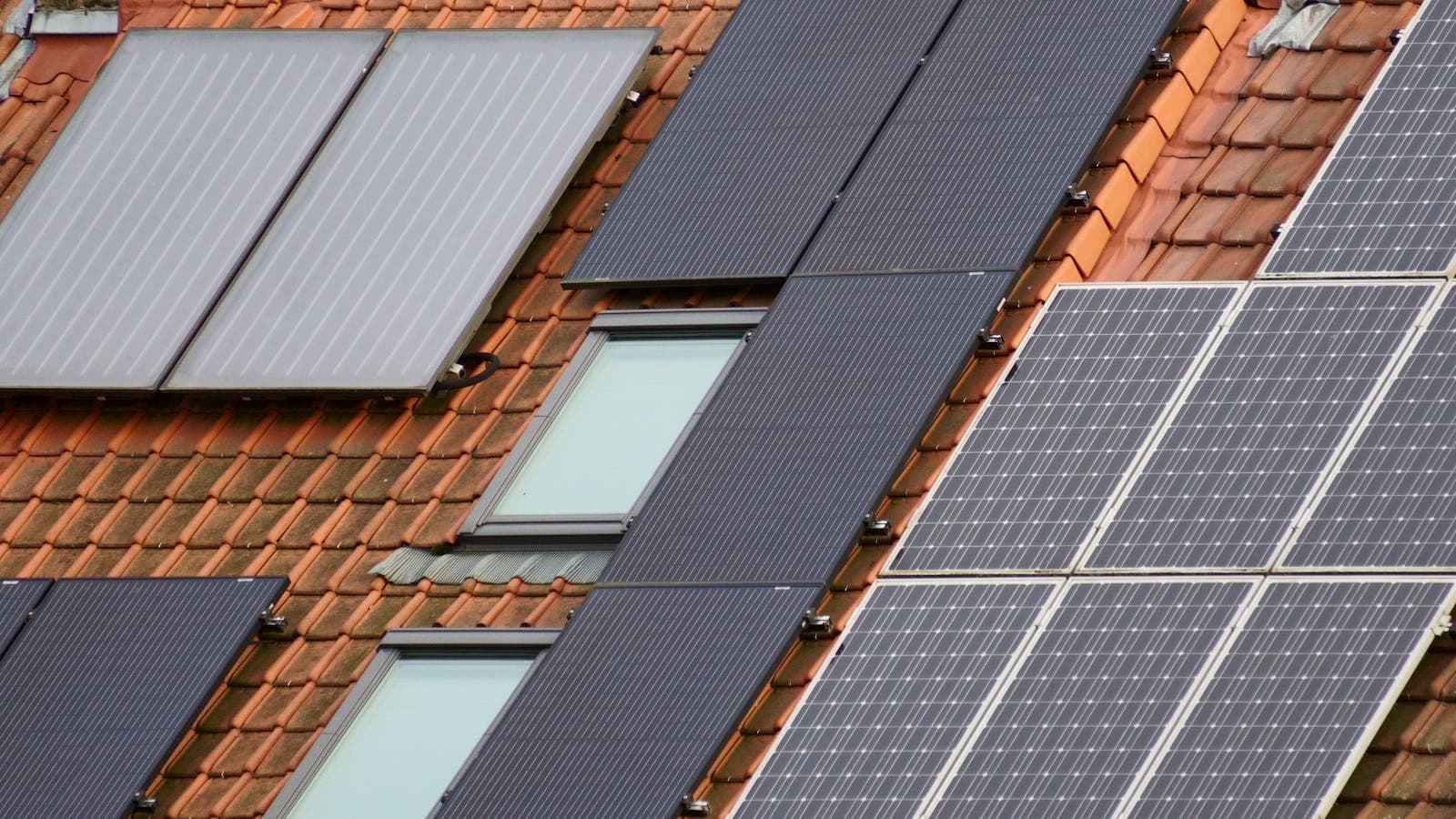
Module temperature is typically 25–30°C above ambient in rooftop installations.
Solutions to Reduce Heat Impact
1. Choose Low Temperature Coefficient Panels
LONGi Hi-MO 7 at −0.29%/°C retains 2–4% more output in summer than PERC panels at −0.34%/°C.
2. Improve Ventilation
Mount panels with 100–150mm gap from the roof. This can reduce module temperature by 5–10°C, recovering 1.5–3% of output.
3. Consider Ground-Mount
Ground-mounted panels with open racking benefit from natural convection cooling, running 5–15°C cooler than flush rooftop mounts.
4. Use Light-Coloured Mounting Surfaces
Dark roofs radiate heat upward into panels. Light-coloured waterproof membranes or reflective coatings reduce roof temperature.
Frequently Asked Questions
At what temperature do solar panels lose efficiency?
Output begins declining above 25°C cell temperature. Every degree above 25°C reduces output by the temperature coefficient (−0.29%/°C for LONGi Hi-MO 7).
Do solar panels work in 50°C weather?
Yes. Panels continue producing electricity in extreme heat, just at reduced output. A Hi-MO 7 at 75°C module temperature still produces 85.5% of its rated power.
Is morning or afternoon better for solar production in hot climates?
Morning hours often produce more net energy because panels are cooler. By afternoon, high temperatures reduce output despite strong irradiance.
Frequently Asked Questions
At what temperature do panels lose efficiency?
Do panels work in 50°C weather?
Is morning or afternoon better?
- #solar panel temperature
- #heat effect on solar
- #LONGi Hi-MO 7 heat
- #solar panels UAE summer
- #panel cooling
- #hot climate solar performance
Ready to order?
Every unit in the catalogue carries its price — add it to the cart and order online, then collect it from our store in Dubai or Riyadh.