Half-Cut vs Full-Cell Solar Panels — Which Technology Is Better?
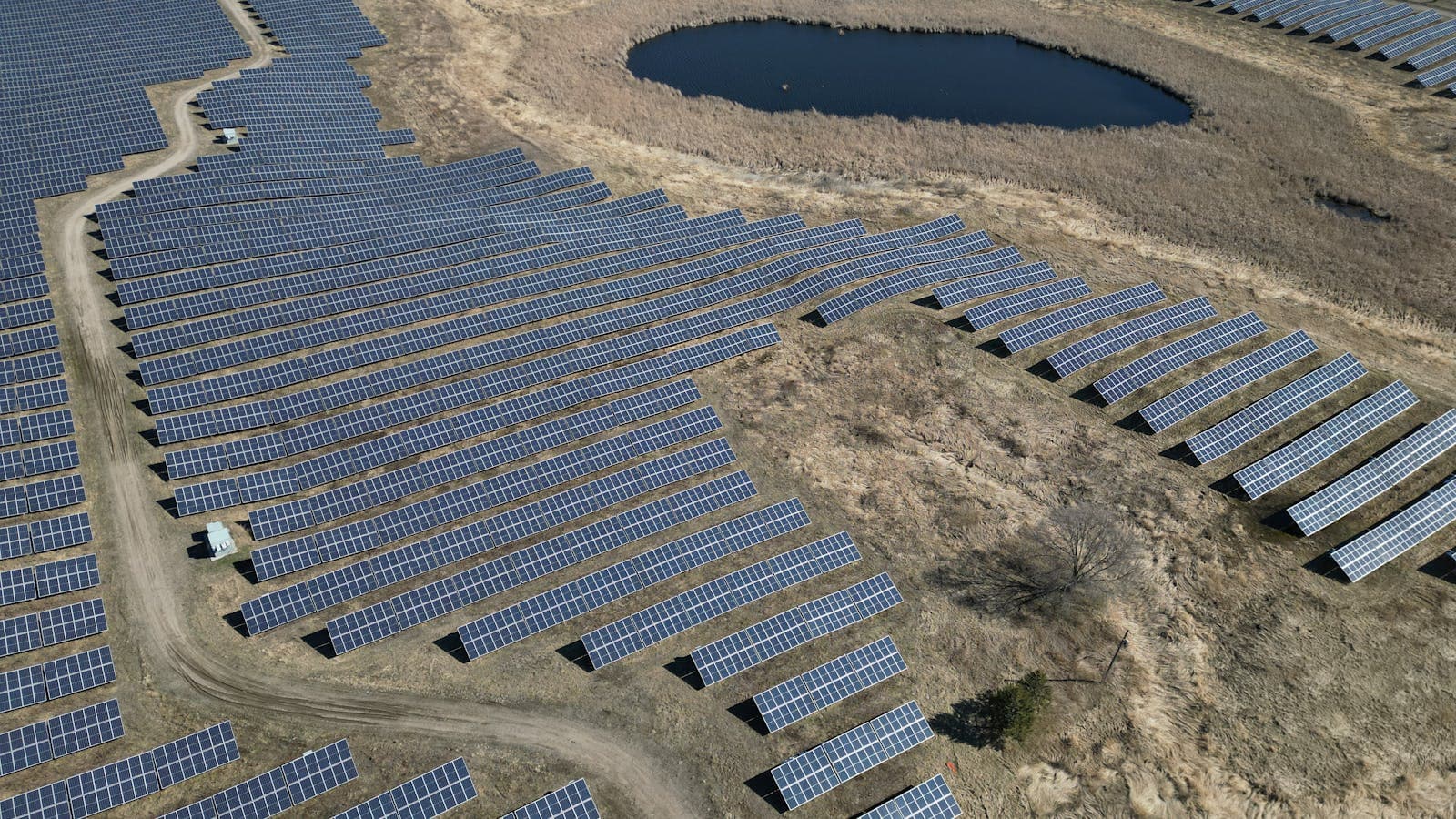
Half-cut cells vs full cells: understand the performance differences, shade tolerance, and why half-cut technology dominates modern solar panels like LONGi Hi-MO.
What Are Half-Cut Solar Cells?
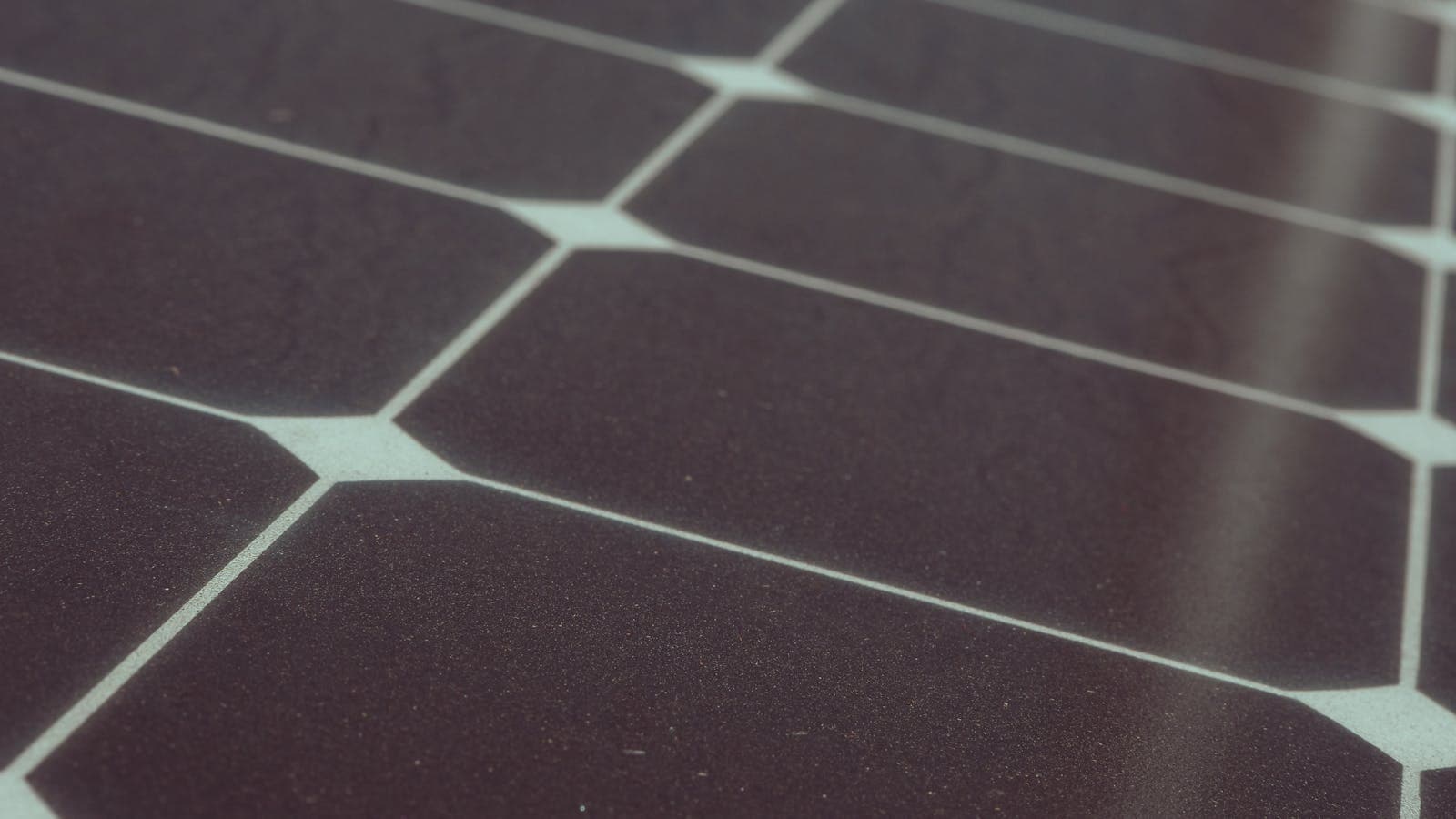
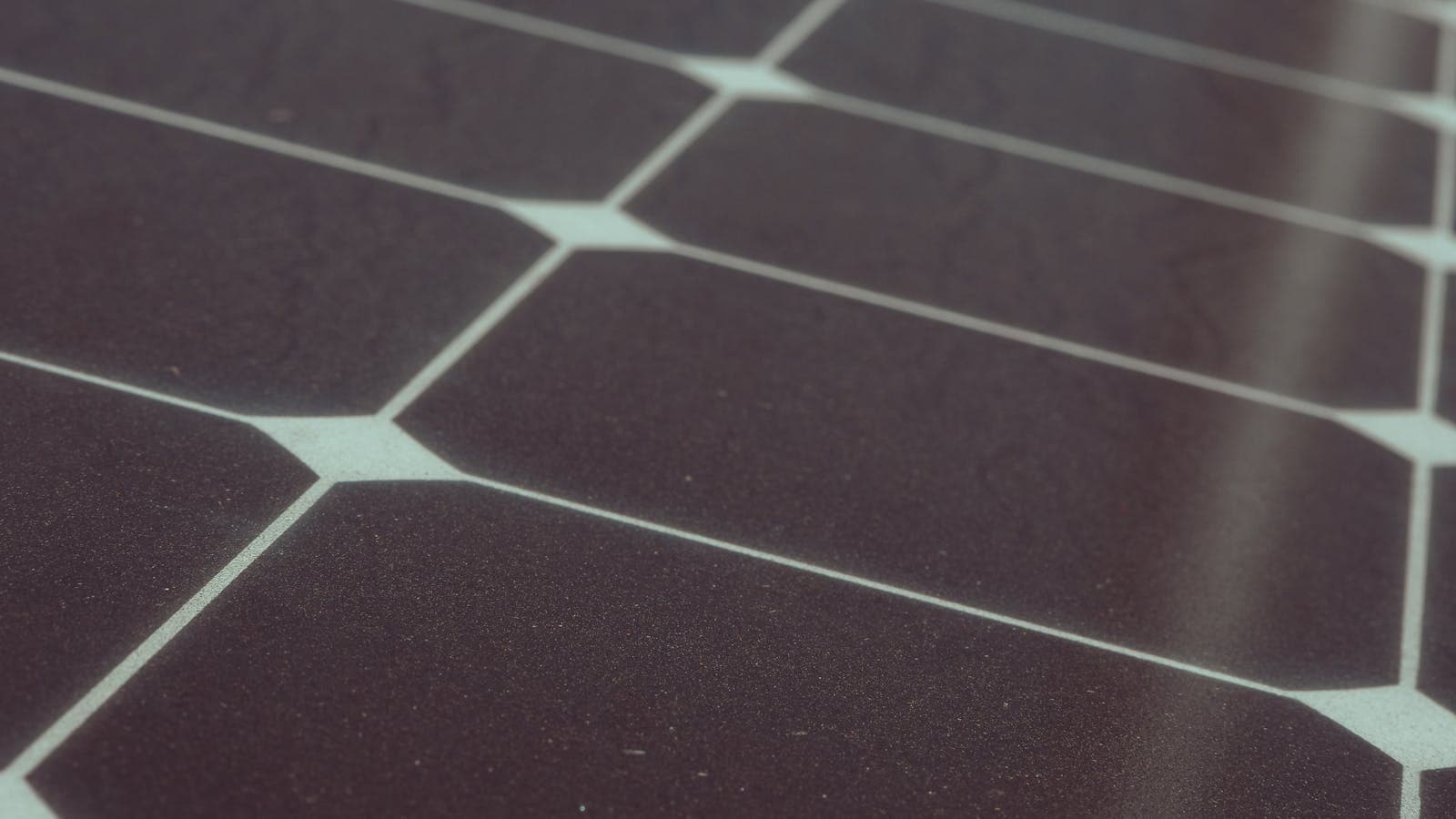
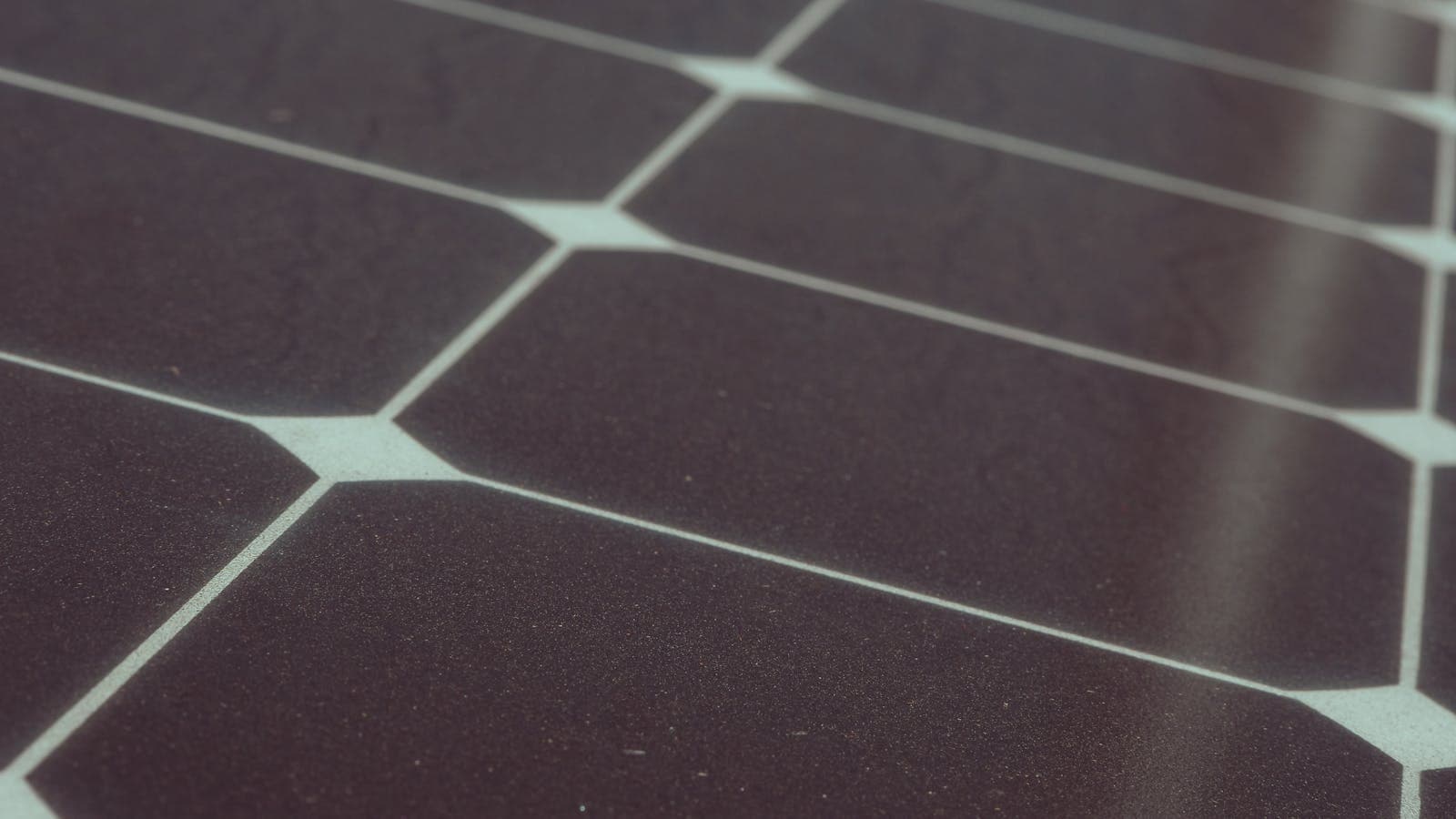
Half-cut cells are standard solar cells that have been laser-cut in half. A traditional full-cell panel uses 60 or 72 cells, while a half-cut panel uses 120 or 144 half-sized cells. Each half-cell produces half the current of a full cell, which reduces resistive power losses within the cell and interconnect ribbons.
All LONGi Hi-MO series panels use half-cut cell technology, which is now the industry standard for premium solar modules.
How Half-Cut Cells Work
By halving the cell size, the current flowing through each cell is reduced by half. Since resistive power loss is proportional to current squared (P = I²R), cutting the current in half reduces resistive losses by 75%. This translates to real-world efficiency gains of 1–3% compared to full-cell panels.
Key Advantages of Half-Cut Cells
1. Higher Efficiency
Reduced resistive losses mean more of the generated electricity reaches the output terminals. A half-cut panel typically achieves 1–3% higher power output than an equivalent full-cell design.
2. Better Shade Tolerance
Half-cut panels are wired in a split configuration — the top half and bottom half operate as semi-independent circuits. If shade covers part of the panel, only the affected half is impacted while the other half continues producing at full capacity.
3. Lower Hot-Spot Risk
Hot spots occur when a shaded or damaged cell becomes a resistive load. With half-cut cells, the lower current reduces energy dissipated in a shaded cell, significantly reducing hot-spot temperatures and risk of permanent damage.
4. Better Temperature Performance
Lower current means less internal heating from resistive losses, helping half-cut panels maintain slightly lower operating temperatures. This is particularly beneficial in hot climates like the Middle East.
Comparison Table
| Feature | Full Cell | Half-Cut Cell |
|---|---|---|
| Cell count (typical) | 60 or 72 | 120 or 144 |
| Cell current | Full (e.g. 10A) | Half (e.g. 5A) |
| Resistive losses | Higher | 75% lower |
| Module efficiency | Baseline | +1–3% higher |
| Shade tolerance | Poor — whole panel affected | Good — split circuit design |
| Hot-spot risk | Higher | Significantly lower |
| Manufacturing complexity | Simpler | Requires laser cutting |
| Price | Slightly lower | Standard (marginal premium) |
| Market availability | Legacy products | Industry standard since 2022 |
Why Full-Cell Panels Are Becoming Obsolete
As of 2026, virtually all major manufacturers have transitioned to half-cut cells. The manufacturing cost difference is negligible while the performance benefits are significant. Full-cell panels are now limited to low-end budget products.
LONGi's Half-Cut Cell Technology
- Hi-MO 6: 144 half-cut Mono PERC cells (182mm), up to 21.8% efficiency
- Hi-MO 7: 144 half-cut N-type TOPCon cells (182mm), up to 22.8% efficiency
- Hi-MO X6: 144 half-cut N-type TOPCon cells (182mm), bifacial, up to 22.6% efficiency
Frequently Asked Questions
Are half-cut cells better than full cells?
Yes. Half-cut cells offer higher efficiency, better shade tolerance, and lower hot-spot risk with virtually no price penalty. They are the industry standard for all premium solar panels in 2026.
Do half-cut panels cost more than full-cell panels?
The price difference is negligible. The cost of laser cutting is minimal, and the performance benefits make half-cut panels a better value.
Can half-cut panels handle partial shading better?
Yes. Their split-circuit design means that shading on one half of the panel only affects that half, while the other half continues at full output.
Frequently Asked Questions
Are half-cut cells better than full cells?
Do half-cut panels cost more?
Can half-cut panels handle partial shading better?
- #half-cut cells
- #full cell solar panel
- #half-cut vs full cell
- #LONGi Hi-MO
- #solar cell technology
- #shade tolerance solar
- #solar panel efficiency
Ready to order?
Every unit in the catalogue carries its price — add it to the cart and order online, then collect it from our store in Dubai or Riyadh.