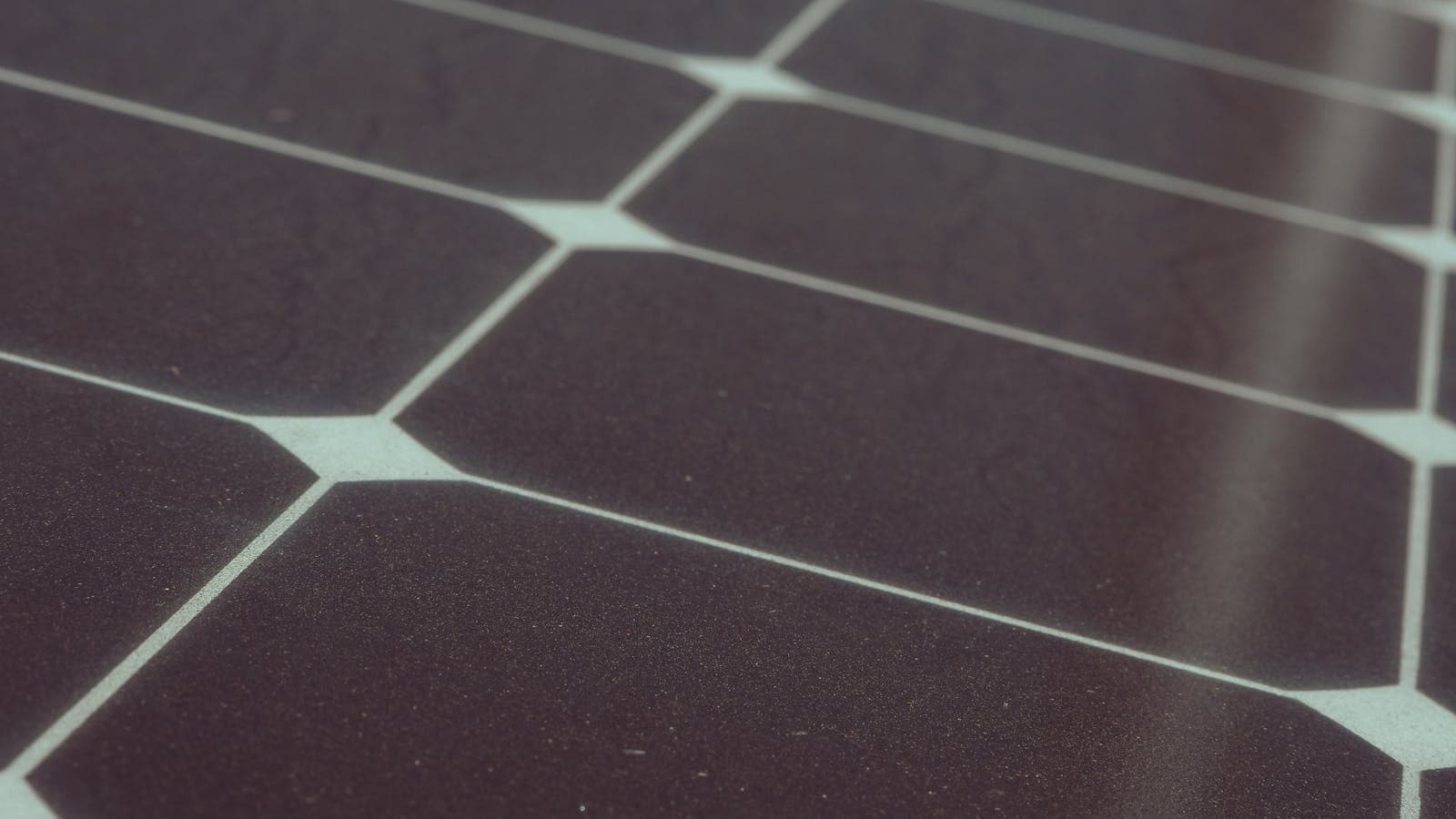
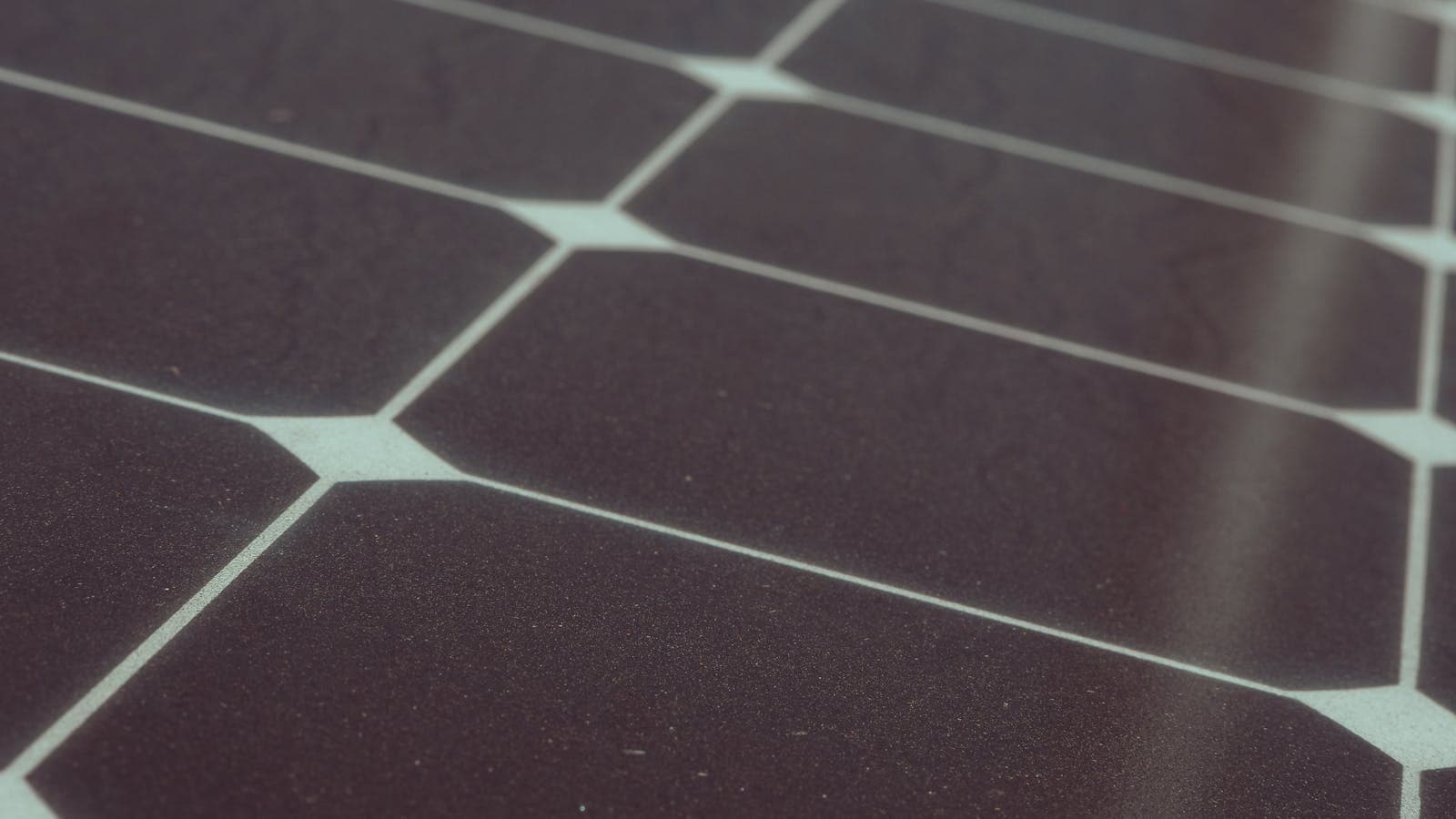
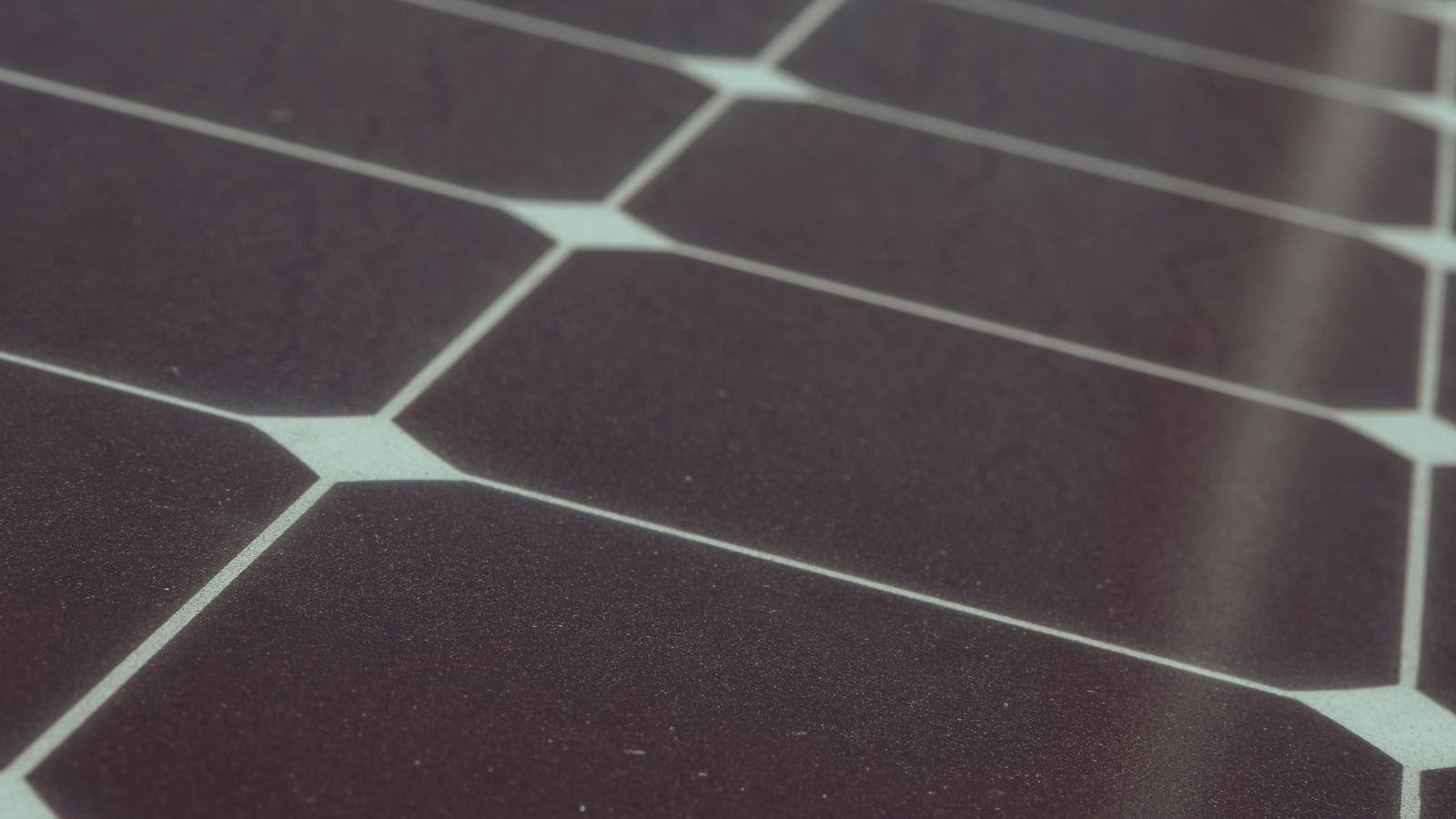
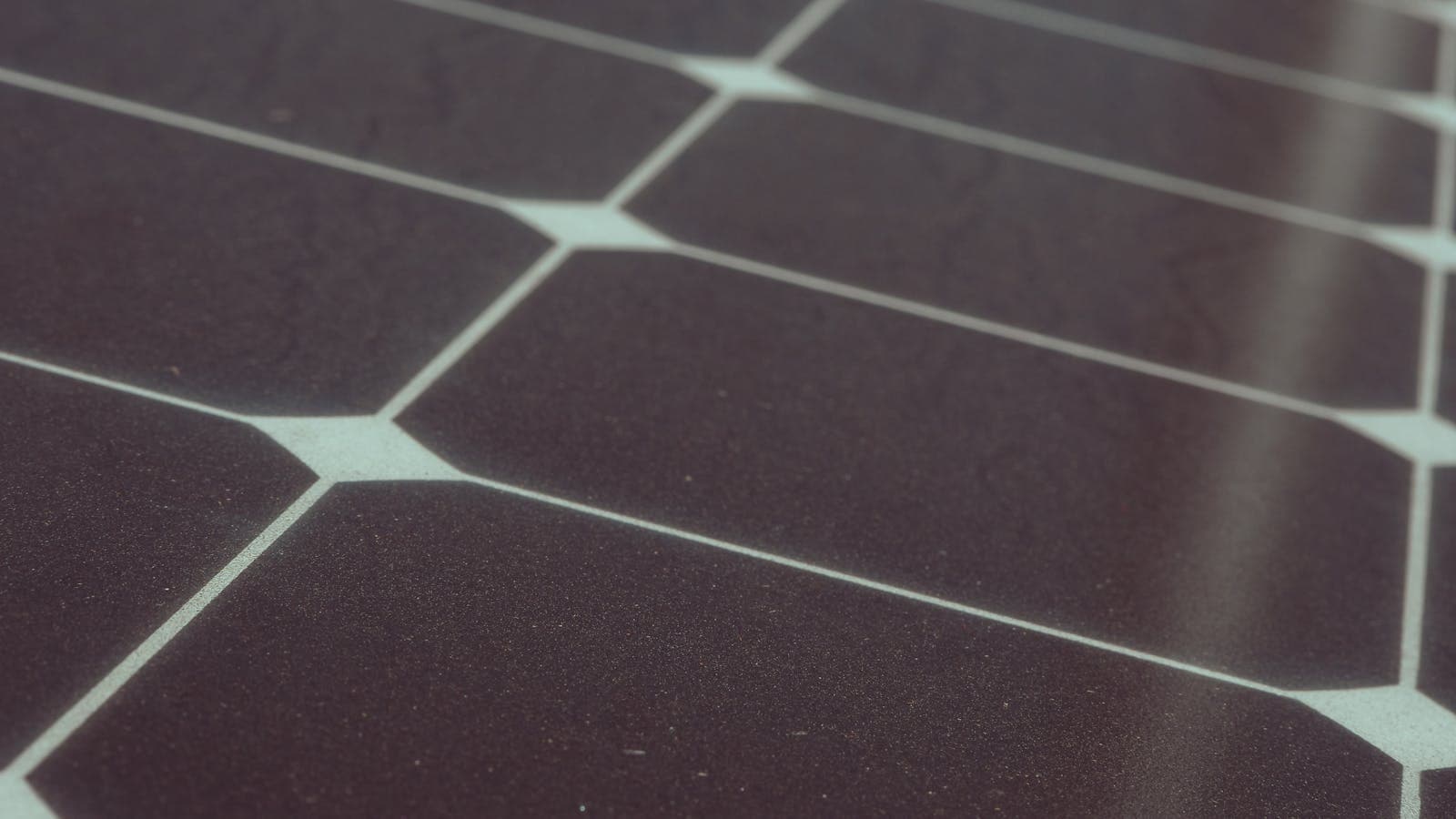
Best Solar Panels for UAE Hot Weather — 2026 Expert Picks
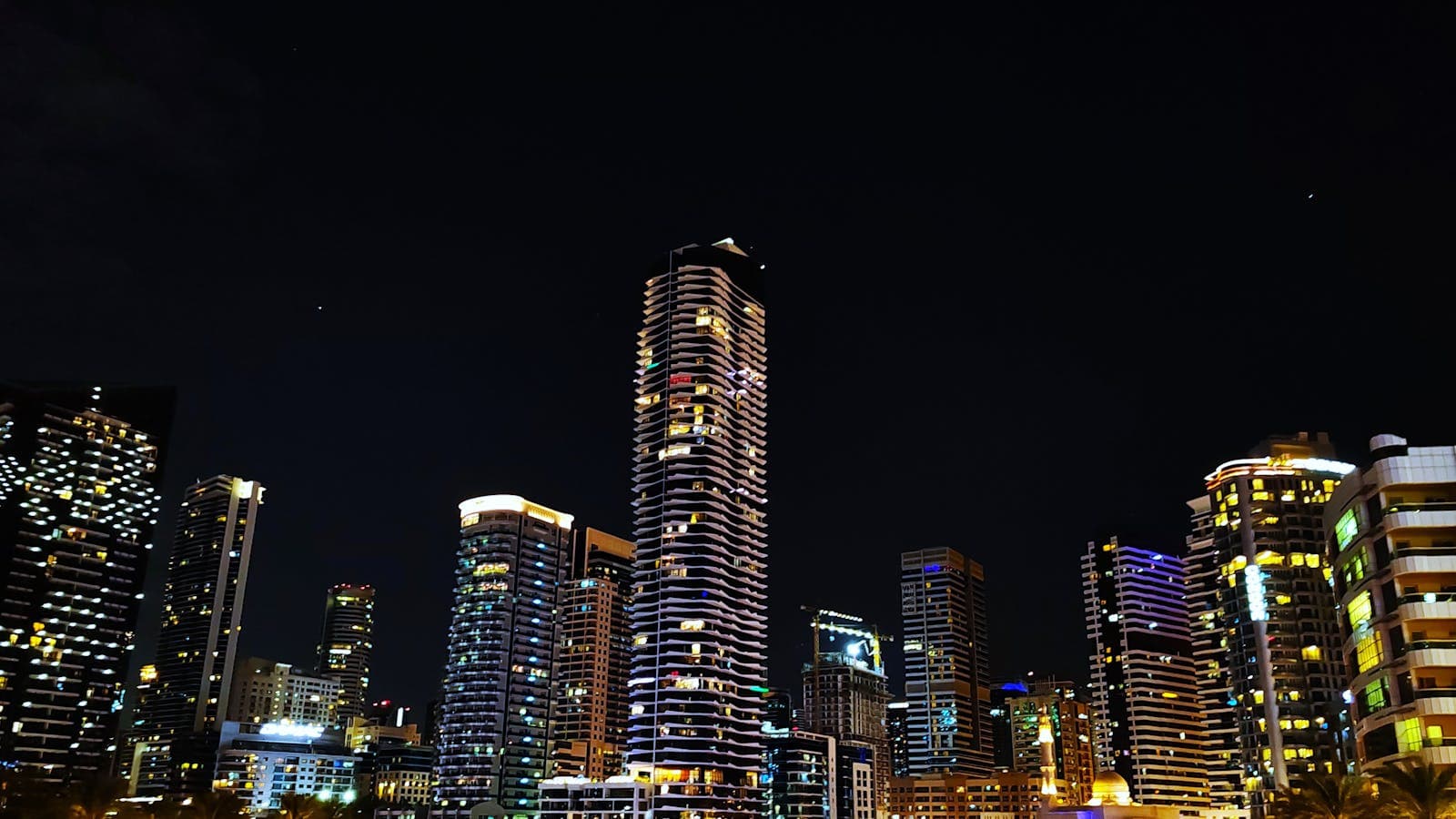
Find the best solar panels for UAE's extreme heat. We compare top brands, temperature coefficients, and real-world performance data for Dubai and Abu Dhabi.
Solar Energy in the UAE: Opportunity and Challenge
The UAE receives some of the highest solar irradiance in the world — averaging 5.5–6.0 peak sun hours per day. This makes it one of the best locations on Earth for solar energy. However, extreme summer temperatures (ambient 48–50°C, module surface 70–80°C) create a paradox: abundant sunlight but significant heat-related performance losses.
The Dubai Clean Energy Strategy 2050 targets 75% of the city's power from clean energy, while Abu Dhabi's Energy Strategy 2050 aims for 50% renewables. With these ambitious targets and DEWA's Shams Dubai net metering programme, choosing the right solar panel for UAE conditions has never been more important.
UAE Climate Challenges for Solar Panels
- Extreme heat: Summer ambient temperatures regularly reach 48°C, pushing module temperatures to 70–80°C
- Sand and dust: Soiling losses of 15–30% without regular cleaning; shamal winds deposit fine sand
- Humidity: Coastal areas (Dubai, Abu Dhabi) experience 80–90% humidity, accelerating PID (Potential Induced Degradation)
- Salt mist: Coastal installations face salt spray corrosion on frames and connectors
- UV intensity: Higher UV index accelerates encapsulant degradation
What to Look For in UAE Solar Panels
Low Temperature Coefficient
At 70°C module temperature (45°C above STC), a panel with −0.29%/°C loses 13.1% while one with −0.40%/°C loses 18%. That 5% difference compounds over 30 years.
PID Resistance
High humidity and heat accelerate PID. N-type cells are inherently PID-resistant due to their negative base doping, unlike P-type PERC cells that require special anti-PID coatings.
Sand and Dust Resistance
Look for panels with anti-reflective and hydrophobic glass coatings that allow dust to slide off more easily. Frameless or low-profile frame designs reduce dust accumulation at panel edges.
Certifications for UAE
Essential certifications for UAE installations include IEC 61215 (design qualification), IEC 61730 (safety), IEC 61701 (salt mist corrosion), and IEC 62716 (ammonia corrosion). DEWA-approved panels must also meet specific performance requirements.
Top 5 Solar Panels for UAE in 2026
| Rank | Panel | Technology | Efficiency | Temp Coeff. | Why It's Great for UAE |
|---|---|---|---|---|---|
| 1 | LONGi Hi-MO 7 | N-type TOPCon | 22.8% | −0.29%/°C | Best efficiency + heat performance combination |
| 2 | LONGi Hi-MO X6 | N-type TOPCon bifacial | 22.6% | −0.30%/°C | Ideal for desert ground-mount; high albedo gain from sand |
| 3 | Canadian Solar HiHero | HJT | 22.5% | −0.26%/°C | Excellent temperature coefficient for peak summer |
| 4 | Jinko Tiger Neo | N-type TOPCon | 22.5% | −0.29%/°C | Widely available in UAE, strong warranty support |
| 5 | LONGi Hi-MO 6 | Mono PERC | 21.8% | −0.34%/°C | Proven UAE track record, excellent value |
Why LONGi Hi-MO 7 Is #1 for UAE
The Hi-MO 7 combines the industry's highest module efficiency (22.8%) with an exceptional temperature coefficient (−0.29%/°C). Its N-type TOPCon cells are inherently resistant to PID and LID (Light Induced Degradation), both common issues in UAE conditions. The HPBC 2.0 cell design with no front busbars reduces micro-shading and hot-spot risk.
LONGi has supplied panels for major UAE projects including the Mohammed bin Rashid Al Maktoum Solar Park, demonstrating proven performance in local conditions.
UAE Solar System Sizing Guide
Typical UAE residential electricity consumption ranges from 2,000–4,000 kWh/month (due to air conditioning). Here is a sizing guide using LONGi Hi-MO 7 panels:
| Monthly Usage | System Size Needed | Number of Hi-MO 7 Panels | Roof Area Required |
|---|---|---|---|
| 2,000 kWh | ~13 kW | 22 panels (590W) | ~57 m² |
| 3,000 kWh | ~19 kW | 33 panels (590W) | ~85 m² |
| 4,000 kWh | ~26 kW | 44 panels (590W) | ~114 m² |
DEWA Shams Dubai Programme
DEWA's net metering programme allows residential and commercial customers to install solar panels and export excess electricity to the grid. Key points:
- Available for villa and building owners in Dubai
- Export credits offset future electricity bills
- System must use DEWA-approved equipment and certified installers
- Maximum system size is typically limited to the premise's contracted load
For a UAE roof, the sizing calculator already works with 5.7 peak sun hours, and the EcoLife vs Hi-MO Guardian comparison sets the temperature coefficients of two of our lines side by side.
Frequently Asked Questions
What is the best solar panel brand for Dubai?
LONGi is the top choice for Dubai based on efficiency, hot-climate performance, and local project track record. The Hi-MO 7 offers 22.8% efficiency with an excellent temperature coefficient of −0.29%/°C, and LONGi panels are used in the Mohammed bin Rashid Al Maktoum Solar Park.
How much does a solar system cost in the UAE?
A residential solar system in the UAE typically costs AED 15,000–45,000 (USD 4,000–12,000) for a 5–15 kW system, depending on panel quality and installer. Premium N-type panels like the LONGi Hi-MO 7 are at the higher end but deliver better long-term value.
Do solar panels work in UAE summer heat?
Yes. While panels lose some efficiency in extreme heat, they still generate substantial power due to the UAE's high solar irradiance. A well-designed system with N-type panels and proper ventilation can produce 1,700–1,800 kWh per installed kWp annually.
Frequently Asked Questions
What is the best solar panel brand for Dubai?
How much does a solar system cost in the UAE?
Do solar panels work in UAE summer heat?
- #solar panels UAE
- #best solar panels Dubai
- #LONGi Hi-MO 7 UAE
- #DEWA solar
- #solar panels hot weather
- #Shams Dubai
- #Abu Dhabi solar energy
Ready to order?
Every unit in the catalogue carries its price — add it to the cart and order online, then collect it from our store in Dubai or Riyadh.