Bifacial vs Monofacial Solar Panels — Complete Comparison
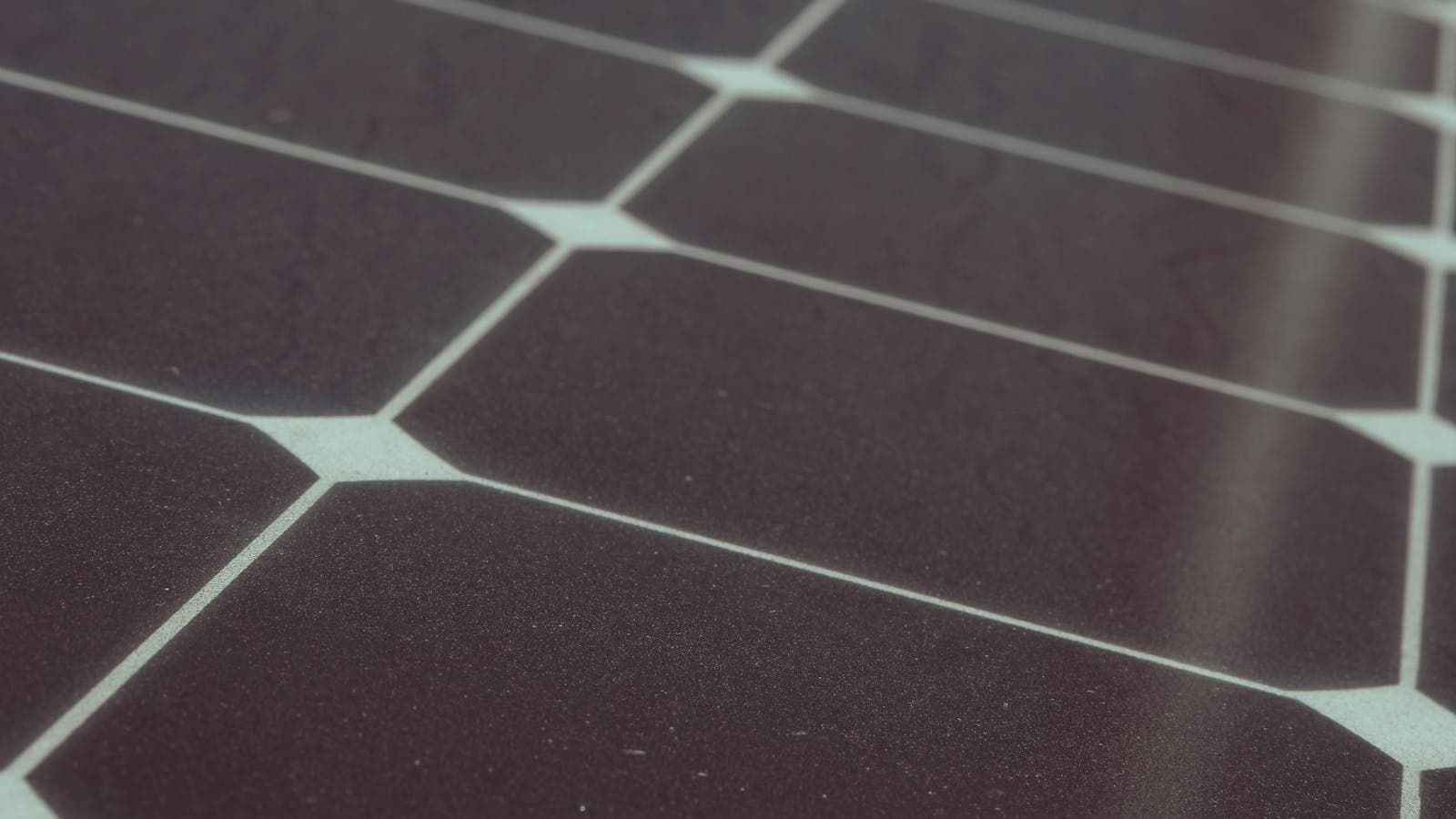
Bifacial vs monofacial solar panels: which is better? Compare energy yield, cost, durability, and ideal use cases for each panel type in this detailed guide.
Understanding the Two Panel Types
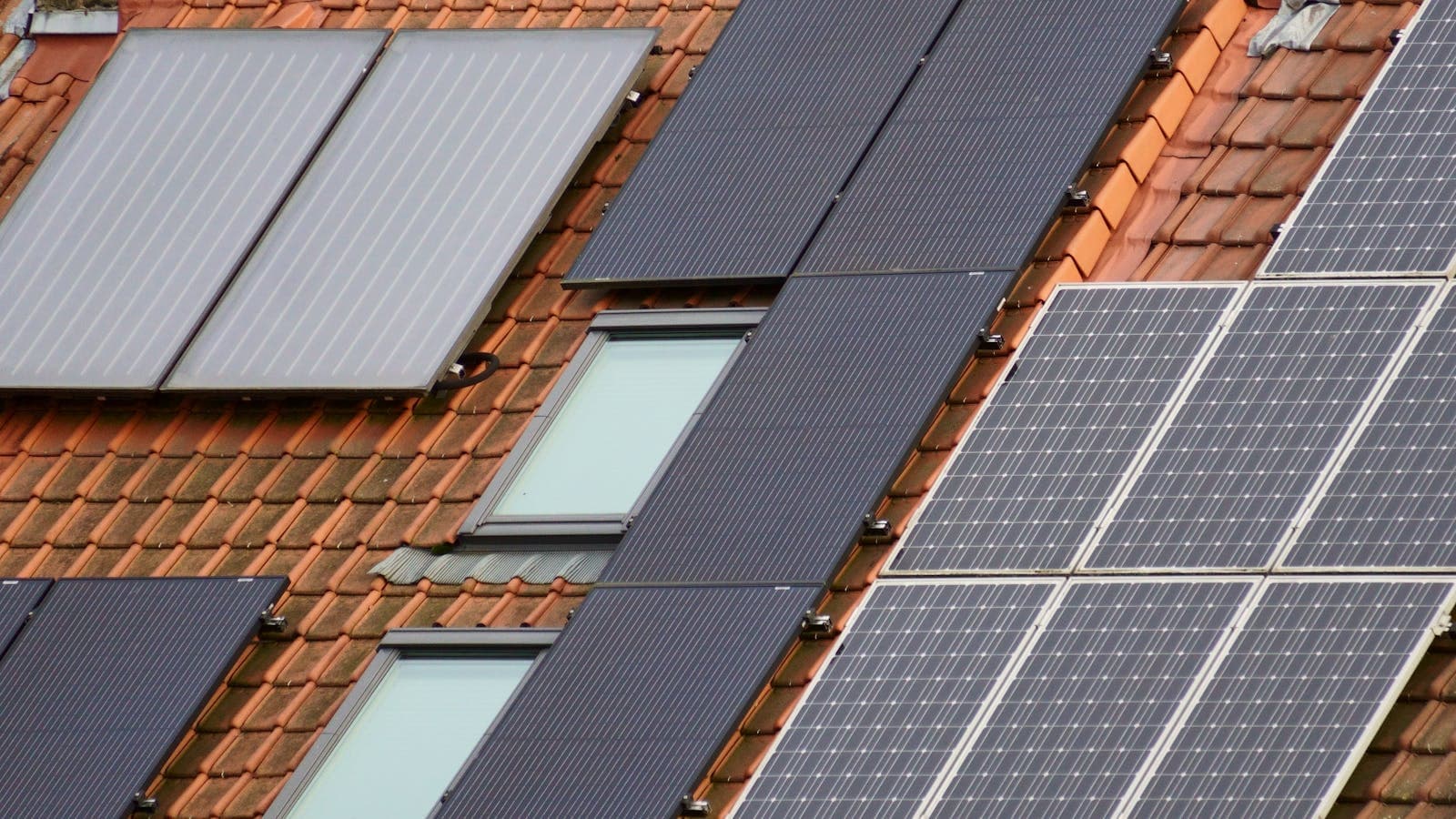
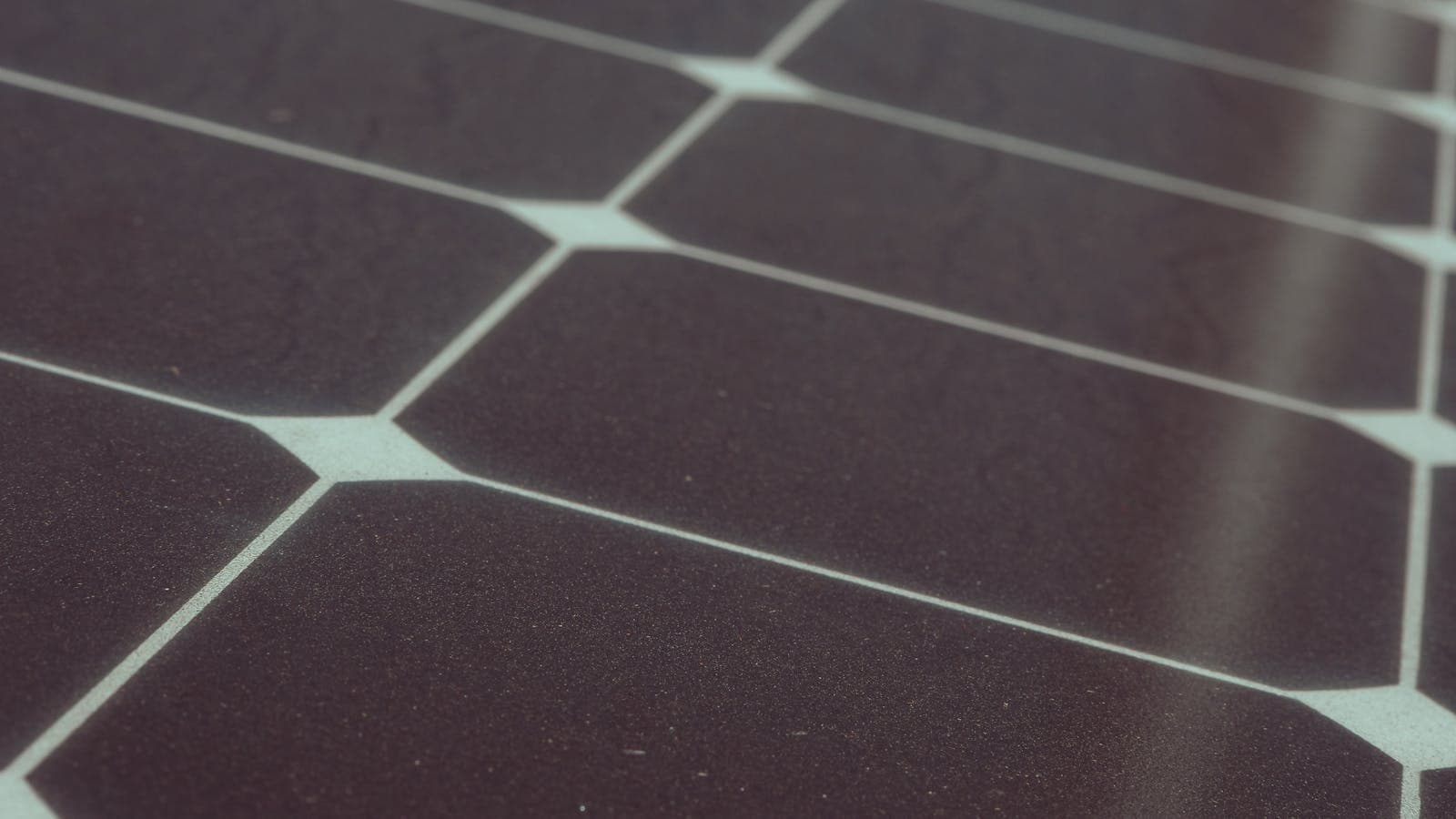
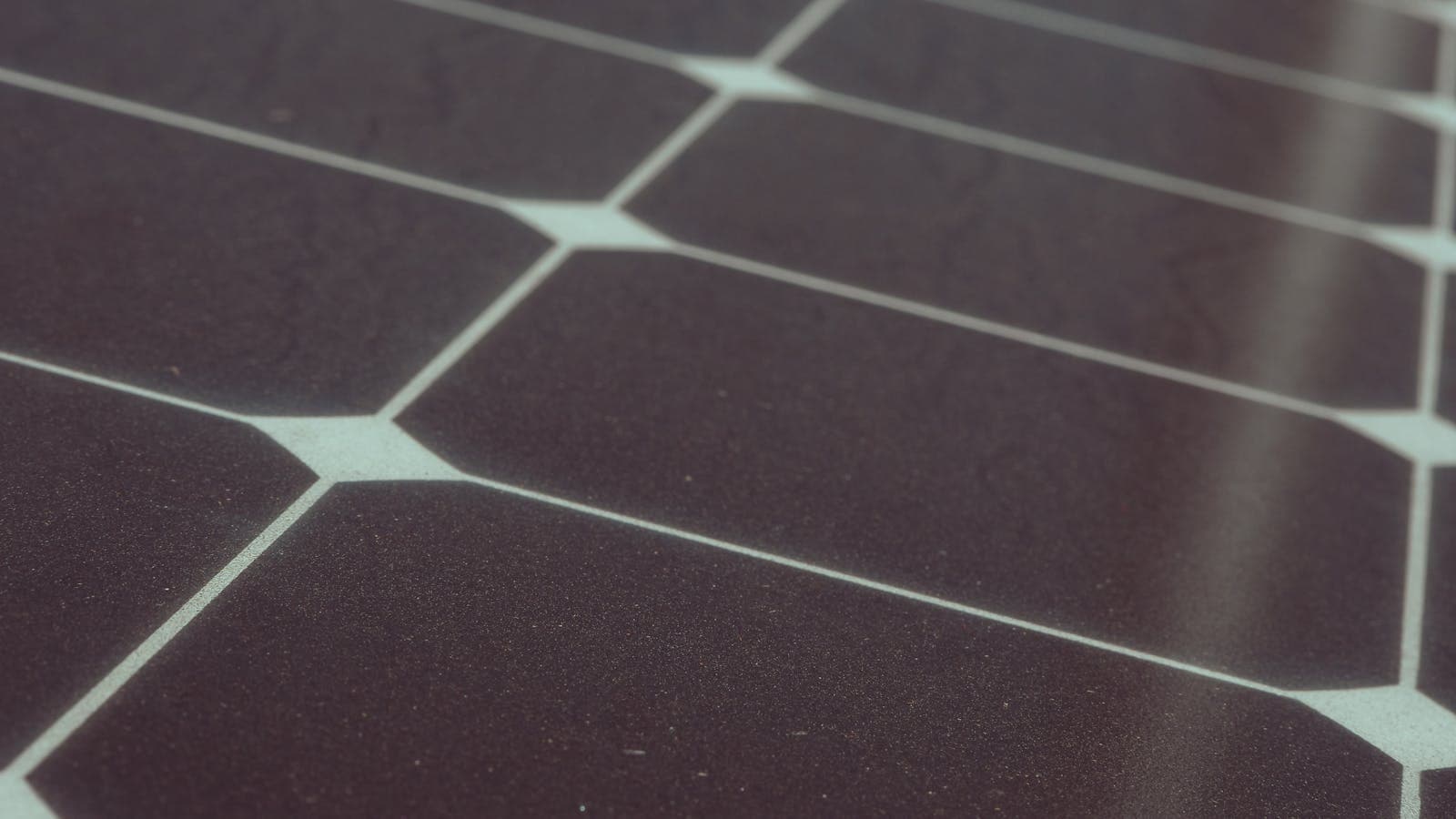
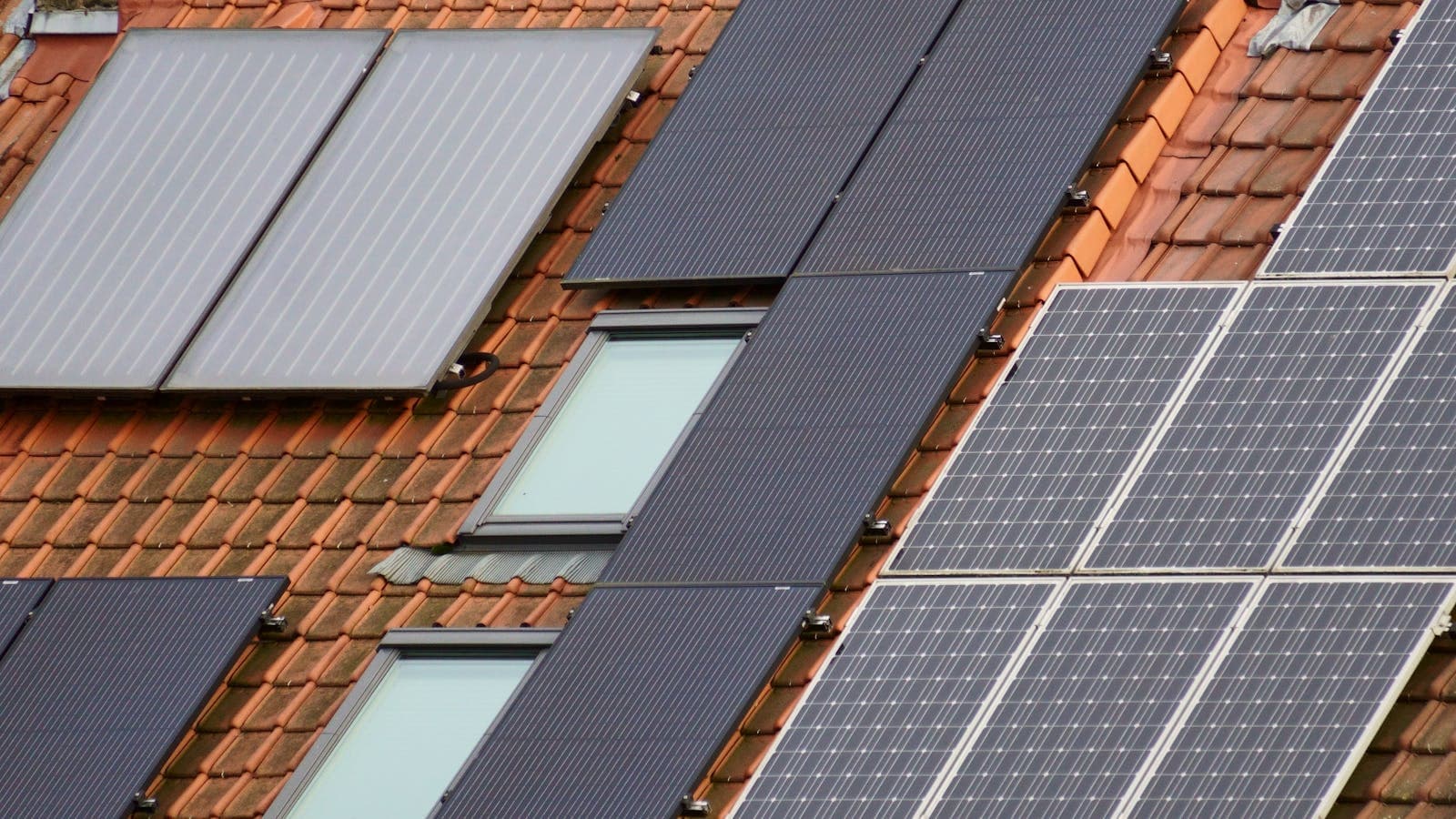
The fundamental difference between bifacial and monofacial solar panels lies in how they capture light. Monofacial panels have a solid, opaque backsheet and only generate electricity from the front side. Bifacial panels use a transparent rear — either dual glass or a clear backsheet — enabling the rear-side cells to capture reflected and diffuse light.
Head-to-Head Comparison
| Feature | Monofacial | Bifacial |
|---|---|---|
| Light capture | Front side only | Front + rear side |
| Construction | Glass-backsheet | Glass-glass (typically) |
| Energy yield boost | Baseline | +5–30% depending on conditions |
| Weight | ~21 kg (400W) | ~24 kg (400W, dual glass) |
| Durability | Polymer backsheet at the rear | Rear glass resists moisture and UV better |
| PID resistance | Varies by cell type | Glass-glass design offers better PID resistance |
| Price premium | Baseline | +3–8% over monofacial |
| Best application | Residential rooftops | Ground-mount, commercial, utility |
Energy Yield Comparison
Ideal Conditions for Bifacial
Bifacial panels shine when rear-side illumination is maximised. The LONGi Hi-MO X6 (bifacial) with 80% bifaciality over light desert sand at 1.5m height can produce 15–20% more energy annually than an equivalent monofacial panel.
When Monofacial Matches Bifacial
On flush-mounted dark residential rooftops, the rear side of a bifacial panel receives almost no reflected light. In this scenario, the bifacial panel produces only 2–3% more energy — barely enough to justify the price premium.
Durability and Lifespan
Bifacial panels with dual-glass construction are inherently more durable than glass-backsheet monofacial panels. The rear glass protects against moisture ingress, UV degradation, and mechanical damage.
In harsh environments like the Middle East, the dual-glass construction of bifacial panels provides superior resistance to sand abrasion, humidity, and salt mist compared to polymer backsheets.
Cost Analysis
While bifacial panels cost 3–8% more upfront, the total cost of ownership is often lower due to:
- Higher energy production (5–25% more)
- Longer lifespan (dual glass)
- Lower degradation rates (0.4%/year vs 0.5%/year typical)
- Better residual value at end of warranty period
Which Should You Choose?
Choose Monofacial (LONGi Hi-MO 6 or Hi-MO 7) When:
- Installing on a residential rooftop with limited clearance
- The roof surface is dark-coloured
- Budget is the primary concern
- The system uses flush-mount racking
Choose Bifacial (LONGi Hi-MO X6) When:
- Building a ground-mount system, especially on sand or gravel
- The mounting height is 1+ metres above the surface
- The surface below is light-coloured (high albedo)
- Maximum energy yield and long-term value are priorities
- The installation is in a harsh environment requiring dual-glass durability
Every bifacial model we list is grouped on the bifacial series page, and a bifacial and a monofacial panel can be read side by side from compare.
Frequently Asked Questions
Are bifacial panels always better than monofacial?
No. Bifacial panels excel in ground-mount installations with high-albedo surfaces, but on flush-mounted dark rooftops they provide minimal benefit. The best choice depends on your specific installation conditions.
Can I use bifacial panels on my home roof?
Yes, but the energy gain will be small (2–5%) unless your roof has a light-coloured surface and the panels are elevated. For most residential rooftops, a high-efficiency monofacial panel like the LONGi Hi-MO 7 is more cost-effective.
Do bifacial panels last longer than monofacial?
Generally yes. Dual-glass bifacial panels are more resistant to moisture, UV degradation, and mechanical damage. The warranty is the one stated on each panel: every LONGi panel we list, monofacial or bifacial, states a 12-year product warranty and a 30-year performance warranty.
Frequently Asked Questions
Are bifacial panels always better than monofacial?
Can I use bifacial panels on my home roof?
Do bifacial panels last longer than monofacial?
- #bifacial vs monofacial
- #bifacial solar panels
- #monofacial solar panels
- #LONGi Hi-MO X6
- #solar panel comparison
- #dual glass panels
- #ground mount solar
Ready to order?
Every unit in the catalogue carries its price — add it to the cart and order online, then collect it from our store in Dubai or Riyadh.