Solar Panel Orientation & Tilt Angle — Optimal Settings by Location
Find the optimal tilt angle and orientation for your solar panels. Location-specific recommendations for UAE, Saudi Arabia, Egypt, Jordan, and more.
Why Orientation and Tilt Matter
The angle and direction your solar panels face determines how much sunlight they capture throughout the year. Optimising these two factors can increase annual energy yield by 10–25% compared to a poorly oriented installation.
Optimal Orientation (Azimuth)
In the Northern Hemisphere, panels should face due south (180° azimuth) for maximum annual yield. Each 15° deviation from south reduces output by approximately 1.5%.
Optimal Tilt Angle by Location
The general rule: optimal fixed tilt ≈ latitude of your location. However, for maximum annual yield, a tilt slightly lower than latitude often works better due to atmospheric scattering.
| Location | Latitude | Optimal Fixed Tilt | Summer Tilt | Winter Tilt |
|---|---|---|---|---|
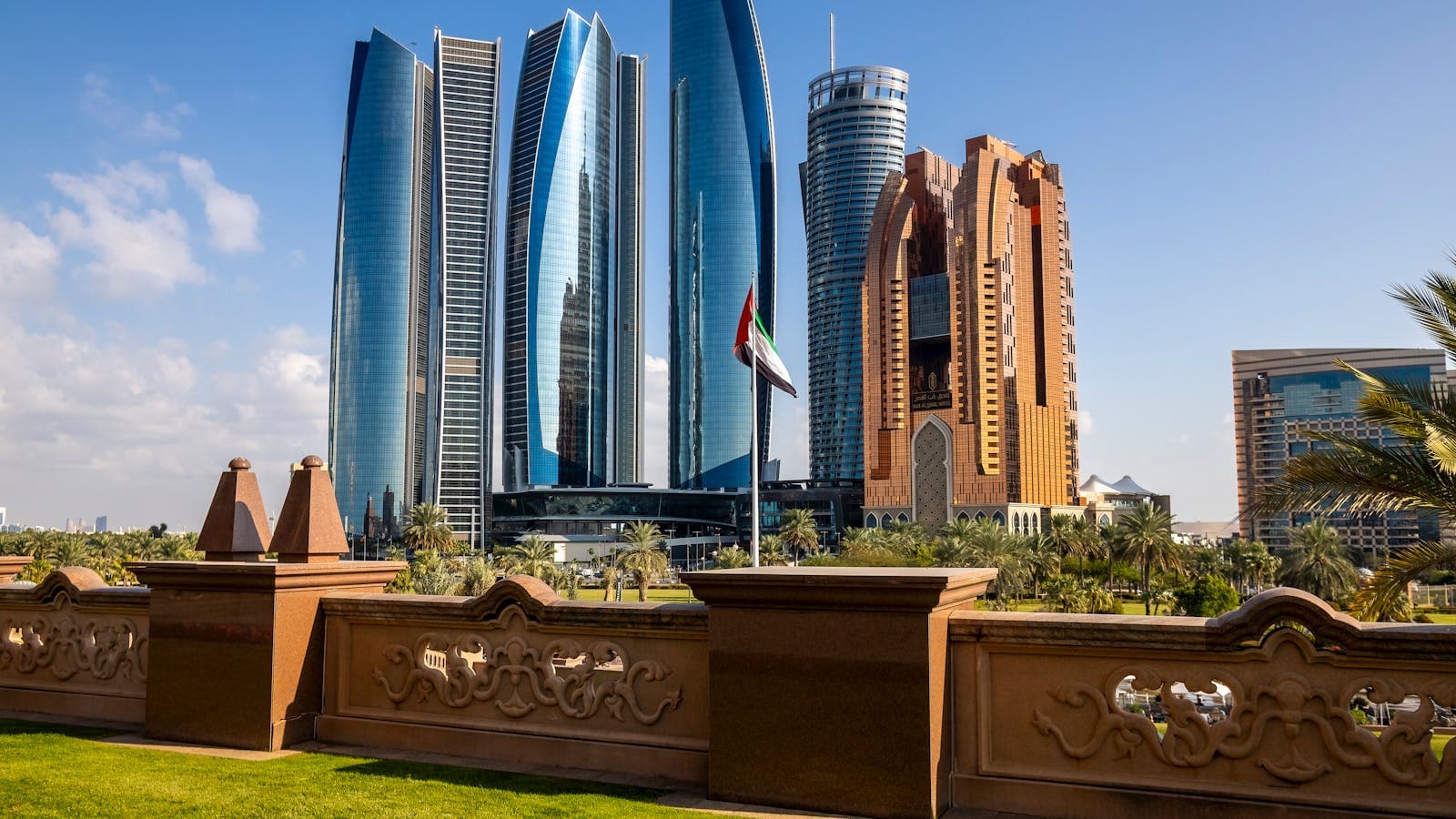
| Dubai / Abu Dhabi | 24°N | 22–25° | 10–15° | 35–40° |
| Riyadh | 24.7°N | 22–25° | 10–15° | 35–40° |
| Cairo | 30°N | 27–30° | 15–20° | 40–45° |
| Amman | 31.9°N | 28–32° | 15–20° | 42–47° |
| Kuwait City | 29.4°N | 26–29° | 15–20° | 40–45° |
| Doha | 25.3°N | 23–26° | 10–15° | 36–40° |
Flat Roof vs Tilted Roof
On flat roofs (common in the Middle East), you have full control over tilt angle. Use ballasted or penetrating mounts to achieve the optimal angle. On tilted roofs, the existing roof slope determines the tilt — if the roof faces south at 20–30°, it may already be near-optimal.
The Case for Seasonal Tilt Adjustment
Manually adjusting tilt angle twice per year (summer and winter positions) can increase annual yield by 5–8%. In summer, lower the tilt to capture the high sun. In winter, increase the tilt to capture the low sun angle. However, the labour cost of adjustment may not justify the gain for residential systems.
East-West Mounting
An alternative for flat roofs is east-west mounting, where panels face alternating east and west directions. This allows more panels per area (no row spacing needed for south-facing), extends production hours, and provides a flatter daily production curve — beneficial for self-consumption. However, total annual yield is 10–15% lower than optimally south-facing panels.
Frequently Asked Questions
What is the best angle for solar panels in Dubai?
A fixed tilt of 22–25° facing due south maximises annual yield in Dubai. For a dual-season approach, use 10–15° in summer and 35–40° in winter.
Does panel orientation matter more than tilt?
Yes. A south-facing panel at a non-optimal tilt still outperforms an east- or west-facing panel at optimal tilt. Always prioritise south orientation first.
Should I use a solar tracker?
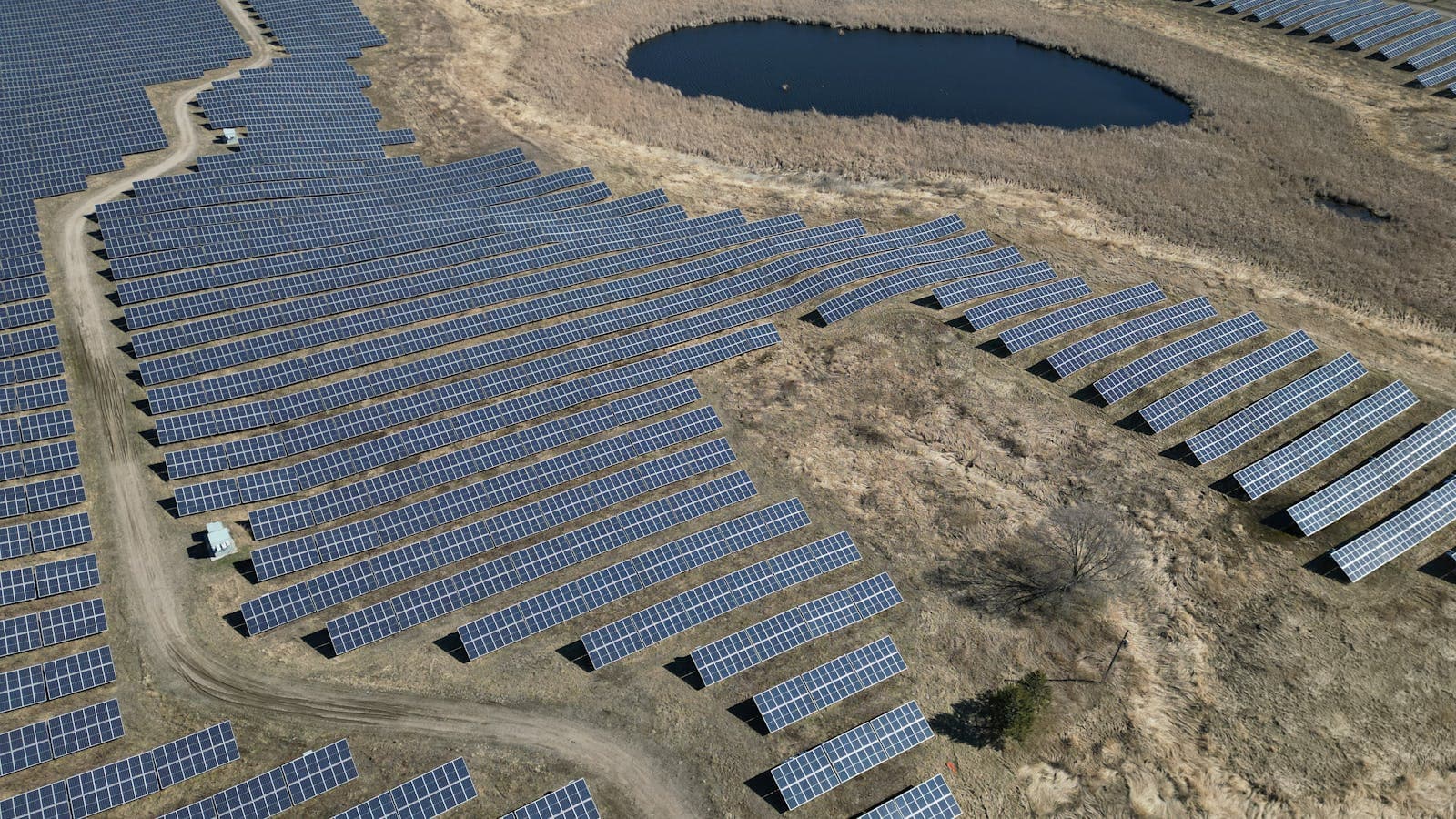
Single-axis trackers can increase yield by 15–25% but add cost and maintenance. They are most cost-effective for utility-scale ground-mount projects, not residential installations.
Frequently Asked Questions
Best angle for Dubai?
Orientation or tilt more important?
Should I use a tracker?
- #solar panel tilt angle
- #panel orientation
- #optimal tilt UAE
- #south facing solar
- #solar panel azimuth
- #solar panel angle Dubai
Ready to order?
Every unit in the catalogue carries its price — add it to the cart and order online, then collect it from our store in Dubai or Riyadh.