Bifacial Solar Panels — Are They Worth It in 2026?
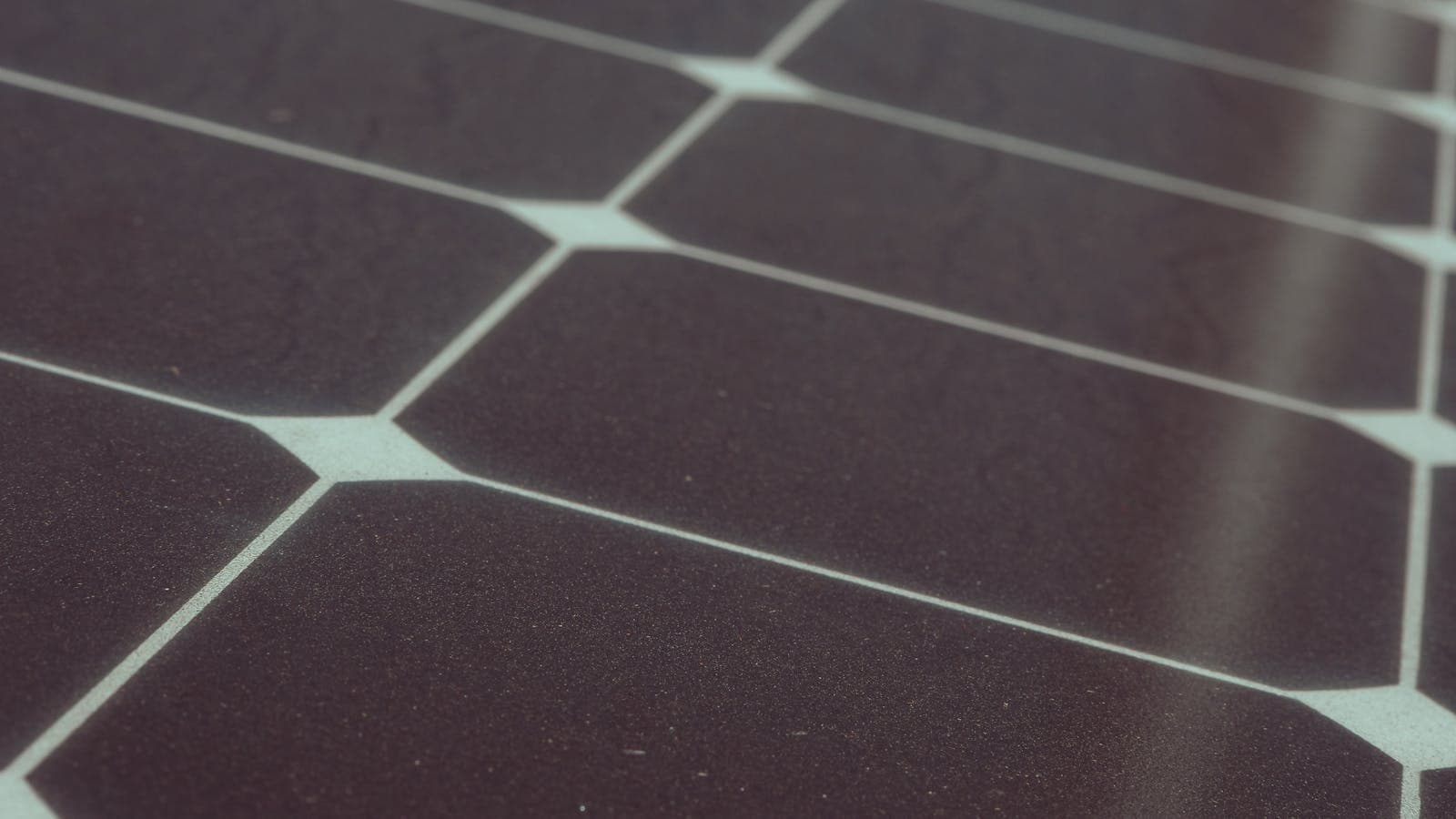
Are bifacial solar panels worth the investment? Learn how they work, how much extra energy they produce, and when they make financial sense for your project.
What Are Bifacial Solar Panels?
Bifacial solar panels generate electricity from both their front and rear sides. While the front side captures direct and diffuse sunlight like any standard panel, the rear side absorbs light reflected from the ground, roof surface, or surrounding structures. This reflected light — called albedo — can boost energy production by 5–30% compared to standard monofacial panels.
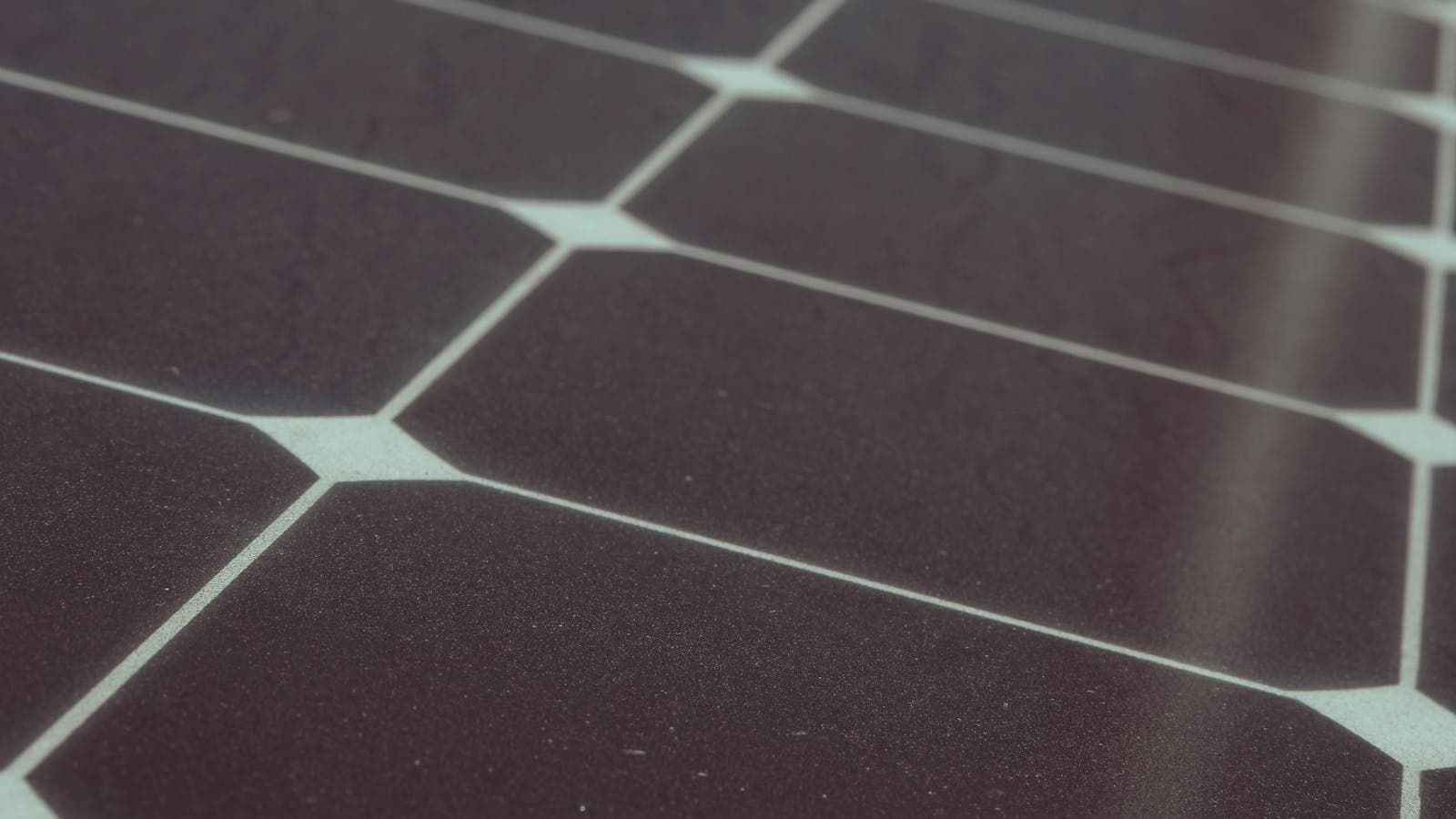
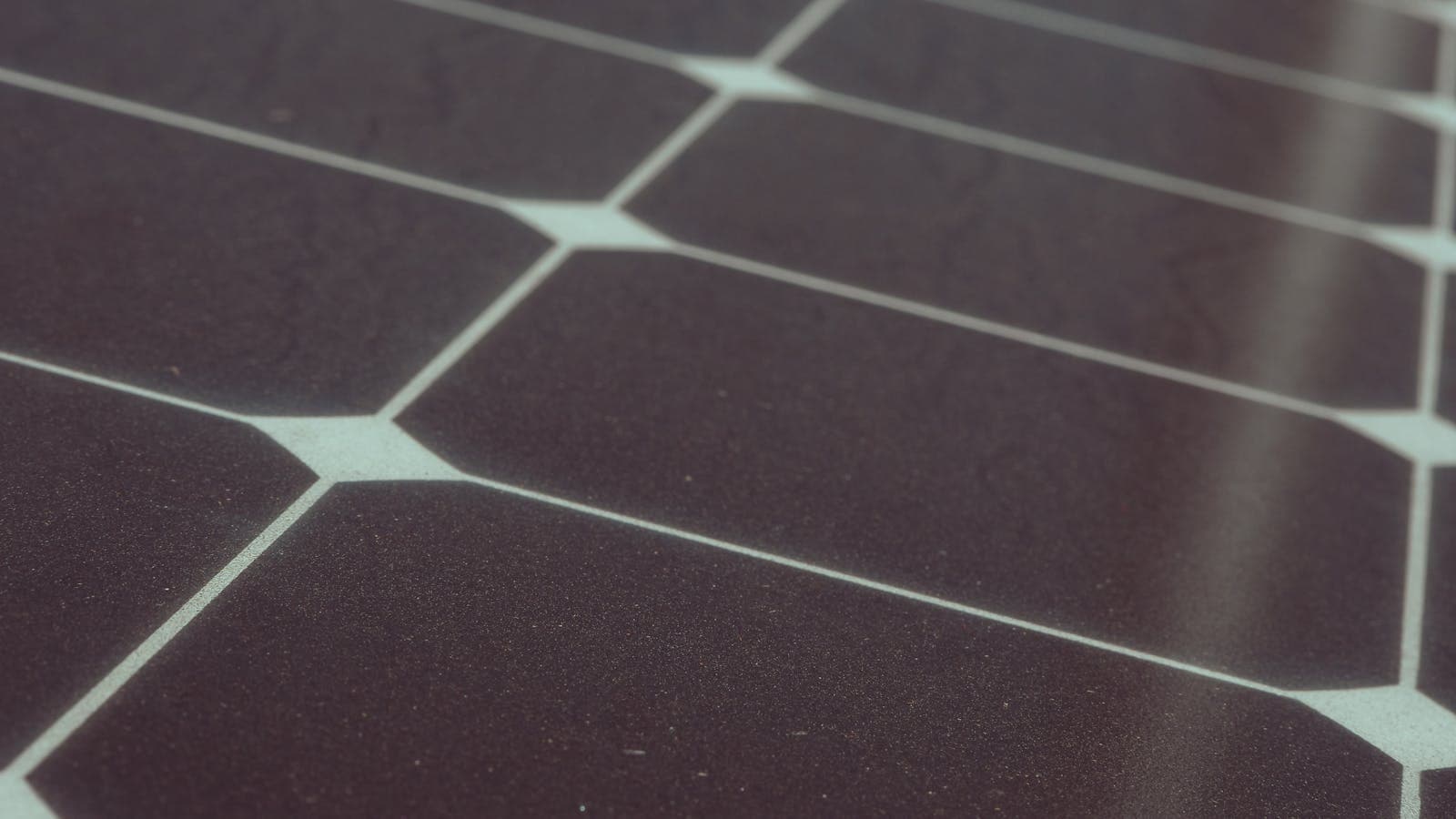
LONGi's Hi-MO X6 is a leading bifacial module using N-type TOPCon cells with a bifaciality factor of up to 80%, meaning the rear side can produce up to 80% of the power that the front side generates under equal illumination.
How Bifacial Panels Work
Bifacial panels use transparent or translucent backsheets (or dual glass construction) to allow light to reach the rear-side cells. The key factors determining rear-side energy gain are:
- Ground albedo: Light-coloured surfaces reflect more light. White gravel: 60–70%. Light sand: 30–40%. Concrete: 20–30%. Dark soil: 10–15%. Grass: 15–25%.
- Mounting height: Greater distance between the panel and the ground allows more diffuse reflected light to reach the rear. 1–2 metres is optimal for ground-mount.
- Row spacing: Wider spacing between panel rows reduces shading on the ground beneath, increasing reflected light for the rear side.
- Tilt angle: Steeper tilt angles expose more of the rear side to reflected ground light.
How Much Extra Energy Do Bifacial Panels Produce?
| Installation Type | Ground Surface | Typical Bifacial Gain |
|---|---|---|
| Ground-mount, 1.5m height | White gravel/sand | 15–25% |
| Ground-mount, 1.5m height | Light sand (desert) | 10–20% |
| Ground-mount, 1.5m height | Green grass | 5–10% |
| Elevated rooftop, white membrane | White TPO/PVC roof | 10–15% |
| Flush-mount rooftop | Dark roof tiles | 2–5% |
| Vertical facade (east-west) | Surrounding buildings | Variable (10–20%) |
In Middle Eastern desert environments with light-coloured sand, bifacial gains of 10–20% are typical for ground-mount installations.
Cost-Benefit Analysis
Price Premium
Bifacial panels typically cost 3–8% more than equivalent monofacial panels. The LONGi Hi-MO X6 (bifacial) is priced at roughly 5% above the equivalent Hi-MO 6 (monofacial). However, the additional energy production of 10–20% far exceeds the price premium.
Levelised Cost of Energy (LCOE)
For a ground-mount system over light sand in the UAE:
- Monofacial system: LCOE = $0.028/kWh
- Bifacial system (15% gain): LCOE = $0.025/kWh — a 10.7% reduction
The LCOE reduction makes bifacial panels a clear winner for ground-mount installations where conditions favour rear-side energy capture.
When Bifacial Panels Are Worth It
Ideal Conditions
- Ground-mount systems with light-coloured surfaces (sand, gravel, white membrane)
- Elevated racking with 1+ metre clearance from the ground
- Utility-scale and commercial projects where the scale justifies optimised mounting
- Desert environments with high albedo
- Tracking systems (single-axis trackers maximise bifacial gain)
When Bifacial Is Not Worth It
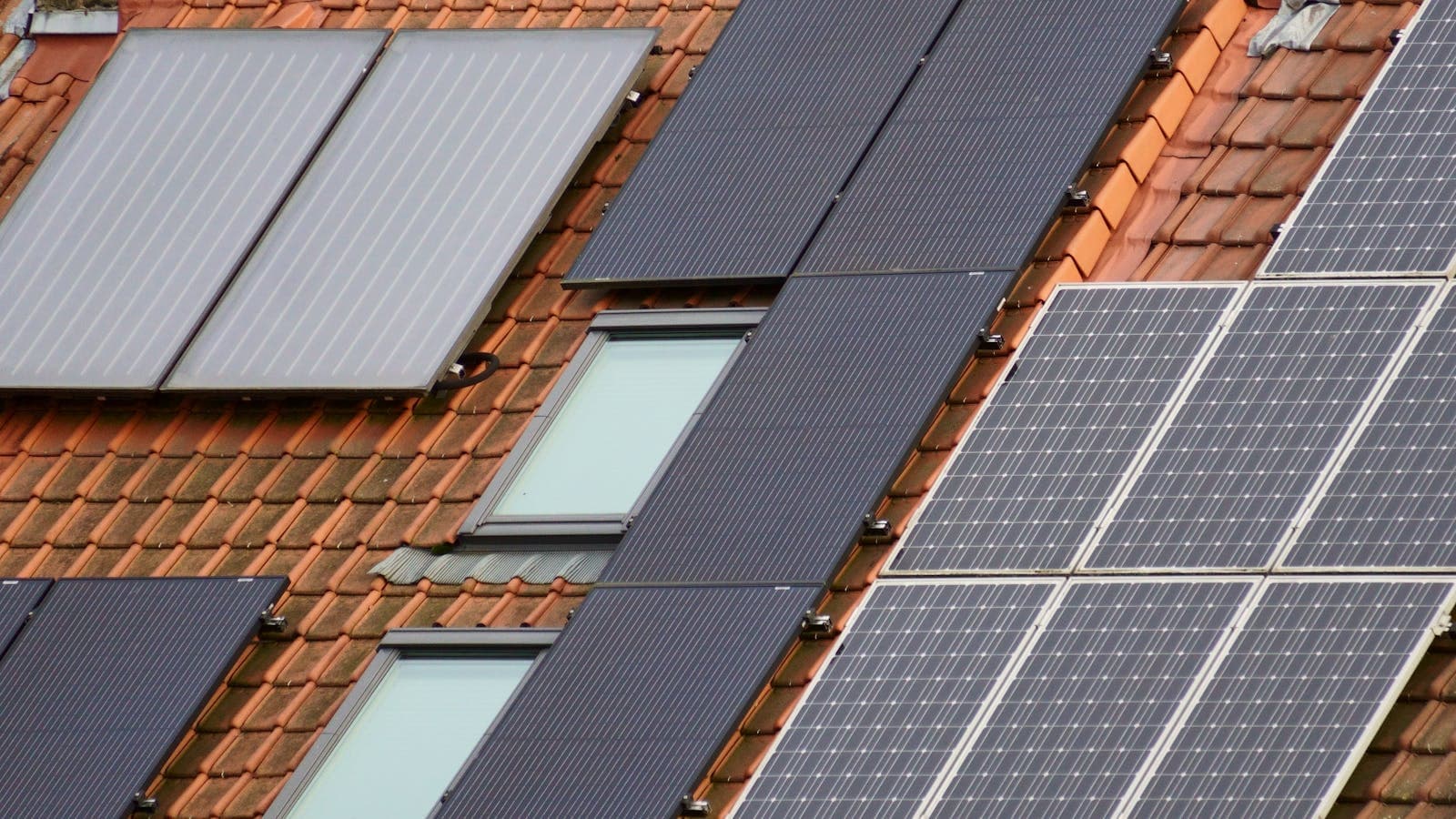
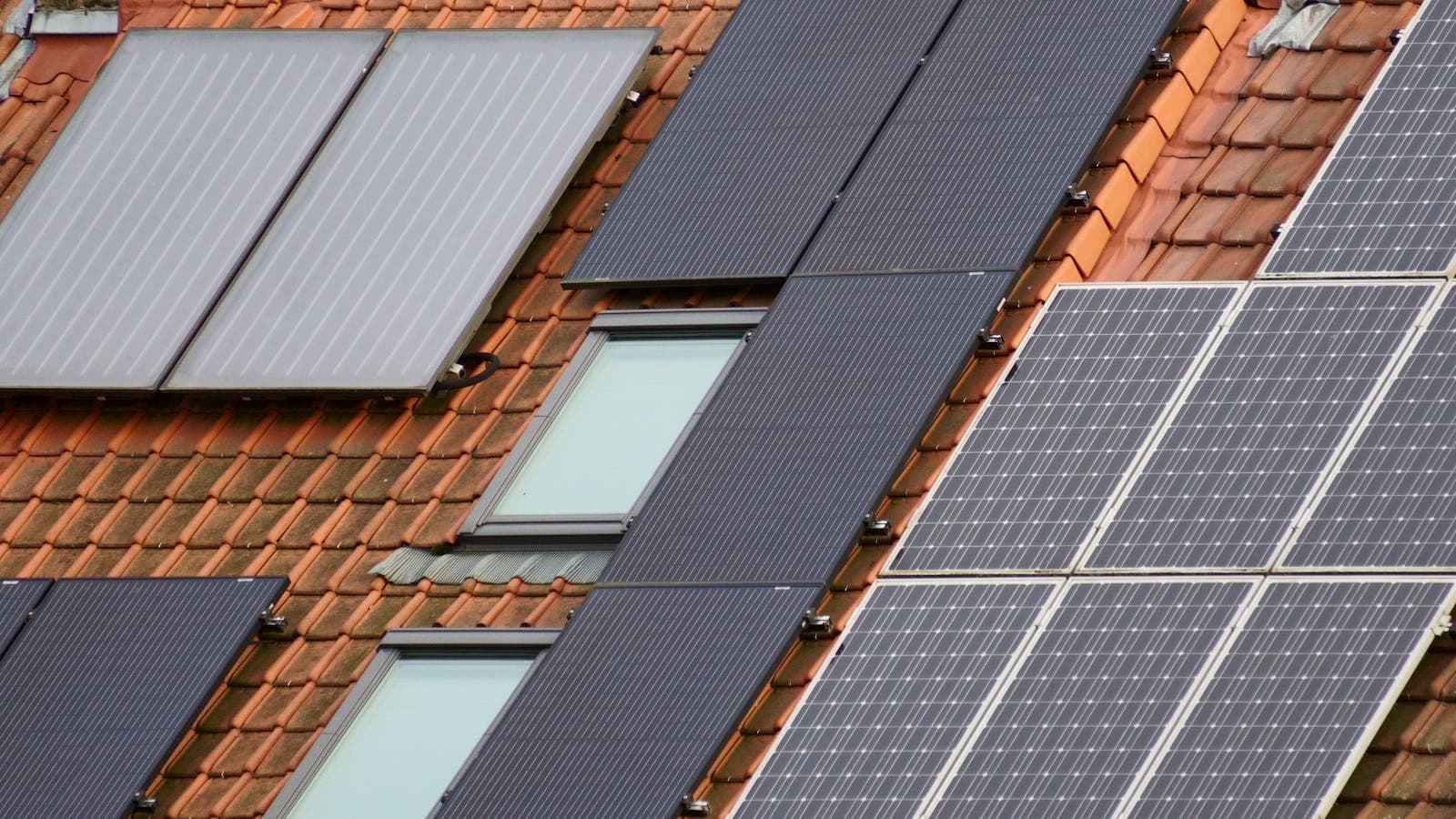
- Flush-mounted residential rooftop systems with dark roof tiles
- Shaded installations where rear-side illumination is blocked
- Very small systems where the absolute energy gain is minimal
- Budget-constrained projects where the 5% premium cannot be justified
LONGi Bifacial Options
LONGi Hi-MO X6
- Technology: N-type TOPCon, bifacial dual glass
- Bifaciality: Up to 80%
- Efficiency: Up to 22.6%
- Power range: 555–590W (front side)
- Temperature coefficient: −0.30%/°C
- Warranty: 12-year product, 30-year performance
Frequently Asked Questions
How much more energy do bifacial panels produce?
Bifacial panels produce 5–25% more energy than monofacial panels, depending on ground albedo, mounting height, and installation type. In desert environments with light sand, gains of 10–20% are typical.
Can bifacial panels be installed on a residential rooftop?
Yes, but the benefit is limited on flush-mounted dark rooftops (only 2–5% gain). They perform better on elevated rooftop mounts with light-coloured waterproof membranes, where gains of 10–15% are achievable.
Do bifacial panels need special mounting systems?
Bifacial panels work best with open racking that allows light to reach the rear side. Ground-mount systems with 1–2m clearance are ideal. Avoid solid mounting structures that block rear-side illumination.
Frequently Asked Questions
How much more energy do bifacial panels produce?
Can bifacial panels be installed on a residential rooftop?
Do bifacial panels need special mounting systems?
- #bifacial solar panels
- #LONGi Hi-MO X6
- #bifacial vs monofacial
- #solar panel energy gain
- #ground mount solar
- #dual glass solar panels
- #bifacial gain
Ready to order?
Every unit in the catalogue carries its price — add it to the cart and order online, then collect it from our store in Dubai or Riyadh.