How to Wire Solar Panels: Series vs Parallel — Complete Guide
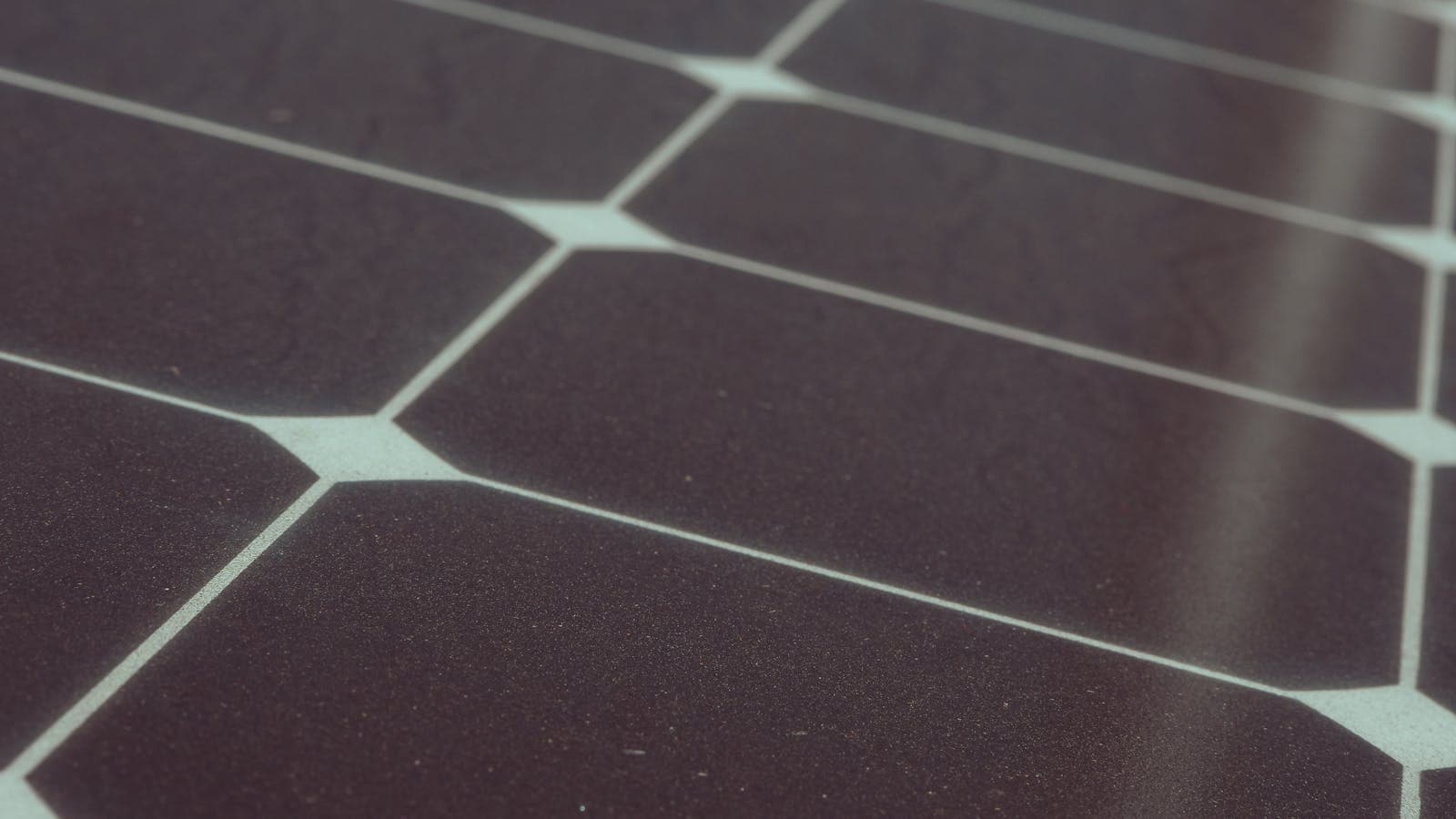
Learn when to wire solar panels in series, parallel, or series-parallel. Includes voltage and current calculations with LONGi Hi-MO panel examples.
Understanding Series and Parallel Wiring
How you wire your solar panels determines the voltage and current delivered to your inverter. Getting this right is critical for system safety, inverter compatibility, and maximum energy harvest.
Series Wiring
In a series connection, you connect the positive terminal of one panel to the negative terminal of the next. This adds the voltages while the current stays the same.
- Voltage: Adds up (V₁ + V₂ + V₃...)
- Current: Stays the same as one panel
Example: 3 LONGi Hi-MO 7 Panels in Series
Vmpp per panel: 43.5V | Impp per panel: 13.56A
String output: 130.5V at 13.56A = 1,770W
Parallel Wiring
In parallel, you connect all positive terminals together and all negative terminals together. This adds the currents while voltage stays the same.
- Voltage: Stays the same as one panel
- Current: Adds up (I₁ + I₂ + I₃...)
Example: 3 Hi-MO 7 Panels in Parallel
Output: 43.5V at 40.68A = 1,770W
Series-Parallel (Hybrid) Wiring
Most systems use a combination: panels wired in series to form strings, then strings wired in parallel. This balances voltage and current to match the inverter's input range.
Example: 20 Hi-MO 7 Panels (2 strings of 10)
Each string: 435V at 13.56A
Two strings in parallel: 435V at 27.12A = 11,800W
How to Size Your Strings
Maximum String Length
Your string's maximum Voc (at coldest temperature) must not exceed the inverter's maximum input voltage. Use the Voc temperature coefficient to calculate:
Max panels = Inverter max voltage ÷ (Voc × (1 + β × (Tmin − 25)))
Example with Hi-MO 7 (Voc = 51.7V, β = −0.25%/°C) and a 1,000V inverter at 0°C minimum:
Adjusted Voc = 51.7 × (1 + (−0.0025 × −25)) = 51.7 × 1.0625 = 54.9V
Max panels = 1,000 ÷ 54.9 = 18 panels per string
Minimum String Length
Your string's minimum Vmpp (at hottest temperature) must exceed the inverter's minimum MPPT voltage.
Common Mistakes
- Mixing panel types in a string: Never mix different wattages or models in the same series string
- Exceeding inverter voltage: Can permanently damage the inverter and is a fire hazard
- Undersized cables for parallel strings: Parallel connections increase current — use appropriately rated cables and fuses
- No string fuses in parallel: When 3+ strings are paralleled, each string needs a fuse for fault protection
String voltage is counted with the Voc of the exact model, which is on its family datasheet — see the Hi-MO X10 Scientist LR7-72HVH 640–670 W datasheet — and the number of modules to wire comes from the sizing calculator.
Frequently Asked Questions
Should I wire solar panels in series or parallel?
Most residential and commercial systems use series strings connected to string inverters. Series wiring raises voltage to match the inverter's MPPT range while keeping current manageable for standard cables.
What happens if one panel in a series string is shaded?
The shaded panel limits the entire string's current. Bypass diodes in each panel mitigate this by allowing current to flow around the shaded section, but output still drops. Power optimisers can solve this issue.
Can I mix old and new panels?
Not in the same string. Different panels have different Vmpp and Impp values, causing mismatch losses. Use separate strings on different MPPT inputs.
Frequently Asked Questions
Series or parallel wiring?
What if one panel is shaded in a series string?
Can I mix old and new panels?
- #series vs parallel solar
- #solar panel wiring
- #string sizing
- #LONGi Hi-MO wiring
- #solar inverter compatibility
- #series parallel solar panels
Ready to order?
Every unit in the catalogue carries its price — add it to the cart and order online, then collect it from our store in Dubai or Riyadh.