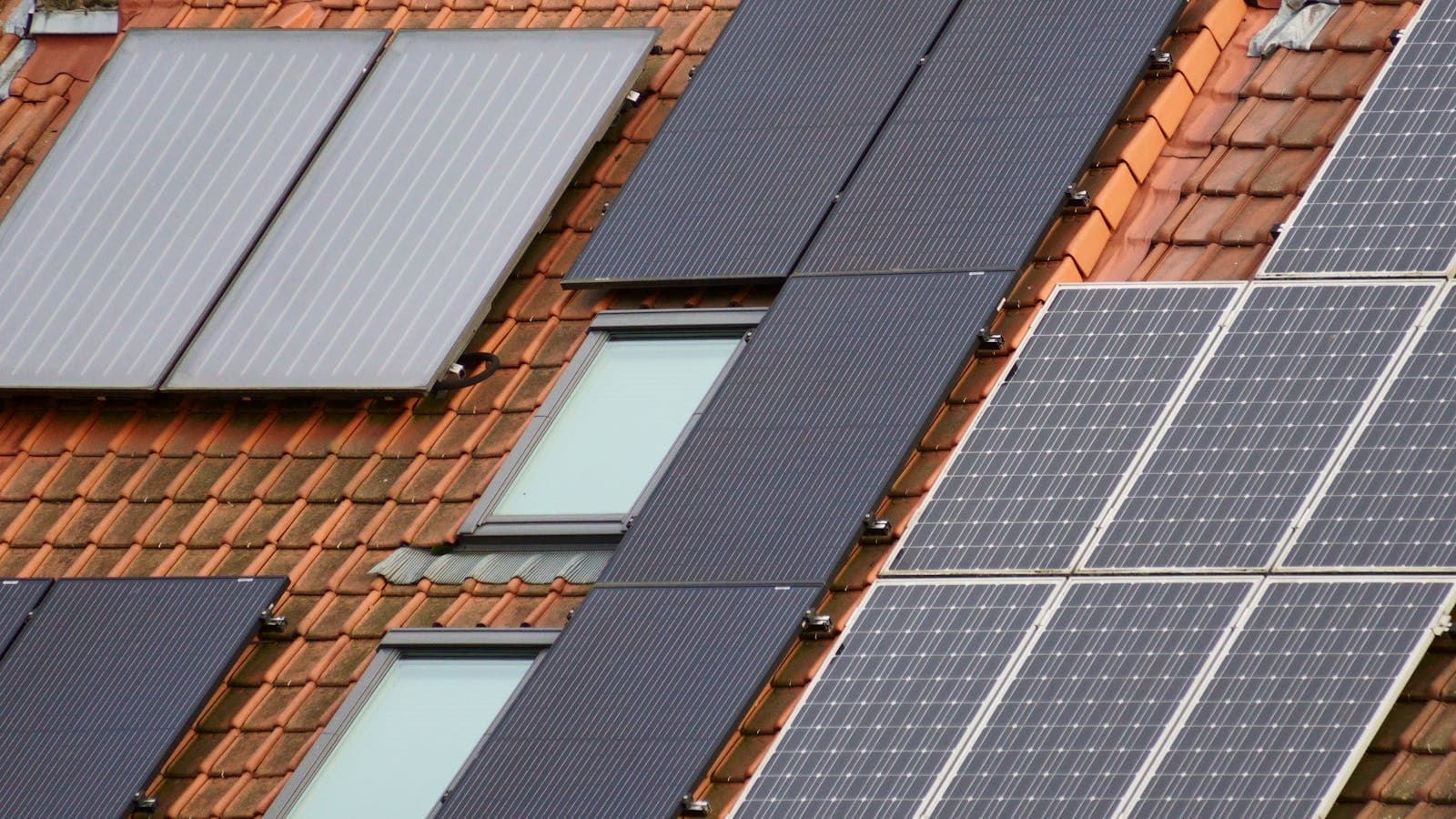
A detailed comparison of LONGi Hi-MO and Trina Vertex panels for hot-climate performance. Covers temperature coefficient, bifacial gains, desert durability, and project track records across the UAE and GCC.
The UAE's extreme heat, intense solar irradiance, and sand-laden environment make panel selection critically important. Both LONGi and Trina Solar are Tier 1 manufacturers with proven GCC track records, but they take different approaches to technology and market positioning. This comparison helps you determine which brand fits your specific project needs in the region.
Company Profiles
LONGi Green Energy is the world's largest monocrystalline silicon manufacturer with a relentless focus on R&D. LONGi has broken the solar cell efficiency world record more than 15 times and holds the current HJT cell record. The company ships over 70 GW of modules annually and is vertically integrated from ingot to module.
Trina Solar is one of the oldest and most respected names in solar manufacturing, founded in 1997. Trina has a particularly strong presence in the UAE, having supplied panels for multiple phases of the Mohammed bin Rashid Al Maktoum Solar Park (DEWA) and other landmark GCC projects. The company is known for reliable, well-priced modules and a strong local support network.
Product Line Comparison
LONGi's current flagship lines are the Hi-MO X6 and Hi-MO X10. Trina's competing products are the Vertex S+ (residential and small commercial) and Vertex N (utility-scale N-type).
Cell Technology
- LONGi Hi-MO X10: HJT (Heterojunction) cells with HPBC back-contact design. This combination delivers the best temperature coefficient in LONGi's lineup and industry-leading efficiency.
- LONGi Hi-MO X6: HPBC cells on an advanced P-type platform, offering strong performance at a competitive price point.
- Trina Vertex N: N-type TOPCon cells with Trina's proprietary 210mm wafer platform. Large-format cells maximise wattage per panel.
- Trina Vertex S+: N-type i-TOPCon cells in a compact form factor optimised for residential rooftops with higher power density per square metre.
Specification Comparison Table
| Specification | LONGi Hi-MO X10 | LONGi Hi-MO X6 | Trina Vertex N | Trina Vertex S+ |
|---|---|---|---|---|
| Cell Technology | HJT + HPBC | HPBC (P-type) | N-type TOPCon | N-type i-TOPCon |
| Module Efficiency | 23.0 - 23.8% | 22.0 - 22.8% | 22.0 - 22.5% | 22.2 - 22.8% |
| Wattage Range | 580 - 630 Wp | 540 - 590 Wp | 570 - 620 Wp | 440 - 460 Wp |
| Temperature Coefficient | -0.26%/°C | -0.30%/°C | -0.29%/°C | -0.29%/°C |
| First-Year Degradation | 1.0% | 1.0% | 1.0% | 1.0% |
| Annual Degradation | 0.35% | 0.40% | 0.40% | 0.40% |
| Product Warranty | 15 years | 15 years | 15 years | 15 years |
| Performance Warranty | 30 years | 30 years | 30 years | 30 years |
| Bifacial Gain | Up to 30% | Up to 25% | Up to 25% | Up to 20% |
Temperature Coefficient: The Most Critical Spec for UAE
In the UAE, panel surface temperatures regularly reach 65-75°C during summer months. Every fraction of a percentage point in the temperature coefficient matters enormously at these extremes. Here is what the numbers mean in practice:
- LONGi Hi-MO X10 (-0.26%/°C): At 70°C panel temperature (45°C above STC), power loss is approximately 11.7%. This is the best temperature performance among panels commonly available in the GCC.
- Trina Vertex N (-0.29%/°C): At the same 70°C, power loss is approximately 13.1%. Very competitive, and only about 1.4 percentage points behind LONGi's flagship.
- LONGi Hi-MO X6 / Trina Vertex S+ (-0.29 to -0.30%/°C): Both perform similarly in heat, with losses around 13.1-13.5% at 70°C.
Over a 30-year lifetime in the UAE, that 1-2% daily performance difference compounds significantly, especially for large utility-scale installations where even small gains translate into millions of kWh.
Bifacial Performance in Desert Conditions
The GCC's highly reflective desert terrain — sand, concrete, and white rooftops — makes bifacial panels particularly effective. Both manufacturers offer excellent bifacial modules. LONGi's Hi-MO X10 claims bifacial gains of up to 30% in optimal ground-mount conditions, while Trina's Vertex N achieves up to 25%. Actual gains depend on albedo, mounting height, and ground surface, but both brands deliver strong real-world bifacial performance in desert installations.
Desert Durability and Sand Resistance
Both LONGi and Trina design their GCC-destined panels with enhanced durability features:
- Anti-reflective coatings: Both brands use hydrophobic coatings that reduce sand and dust adhesion.
- Frame design: Trina's Vertex panels feature a reinforced frame rated for high wind and sand loads (up to 5400 Pa). LONGi's Hi-MO panels are rated for similar mechanical loads.
- PID resistance: Both lines carry excellent PID (Potential Induced Degradation) resistance, critical in the GCC's high-humidity coastal areas.
- Salt mist corrosion: Both are certified for salt mist environments (IEC 61701), important for coastal installations in Abu Dhabi, Dubai, and Doha.
UAE and GCC Project Track Record
Trina Solar has a particularly strong track record in the UAE. The company has supplied panels for multiple phases of the Mohammed bin Rashid Al Maktoum Solar Park, one of the world's largest single-site solar installations. Trina's long relationship with DEWA and other GCC utilities gives it a well-established reputation for reliability and local support.
LONGi has been growing its GCC presence rapidly and now supplies panels to major utility-scale projects across Saudi Arabia (through NEOM and the Saudi National Renewable Energy Program), the UAE, and Oman. LONGi's vertical integration gives it a supply-chain reliability advantage during periods of component shortage.
Conclusion
Both LONGi and Trina Solar are excellent choices for UAE and GCC solar projects. LONGi's Hi-MO X10 offers the best temperature coefficient and peak efficiency, making it the strongest performer in extreme heat. Trina brings a proven UAE track record, strong local support infrastructure, and competitive pricing that has earned trust through years of successful DEWA project deliveries. For new utility-scale projects prioritising maximum yield, LONGi's HJT technology has a measurable edge. For projects where established local relationships and competitive pricing are priorities, Trina is a strong and proven choice.
Frequently Asked Questions
Which solar panel performs better in UAE heat, LONGi or Trina?
Has Trina Solar been used in major UAE projects?
Are bifacial solar panels worth it in the UAE desert?
Ready for a personalized quote?
WhatsApp us — average reply time under 15 minutes.