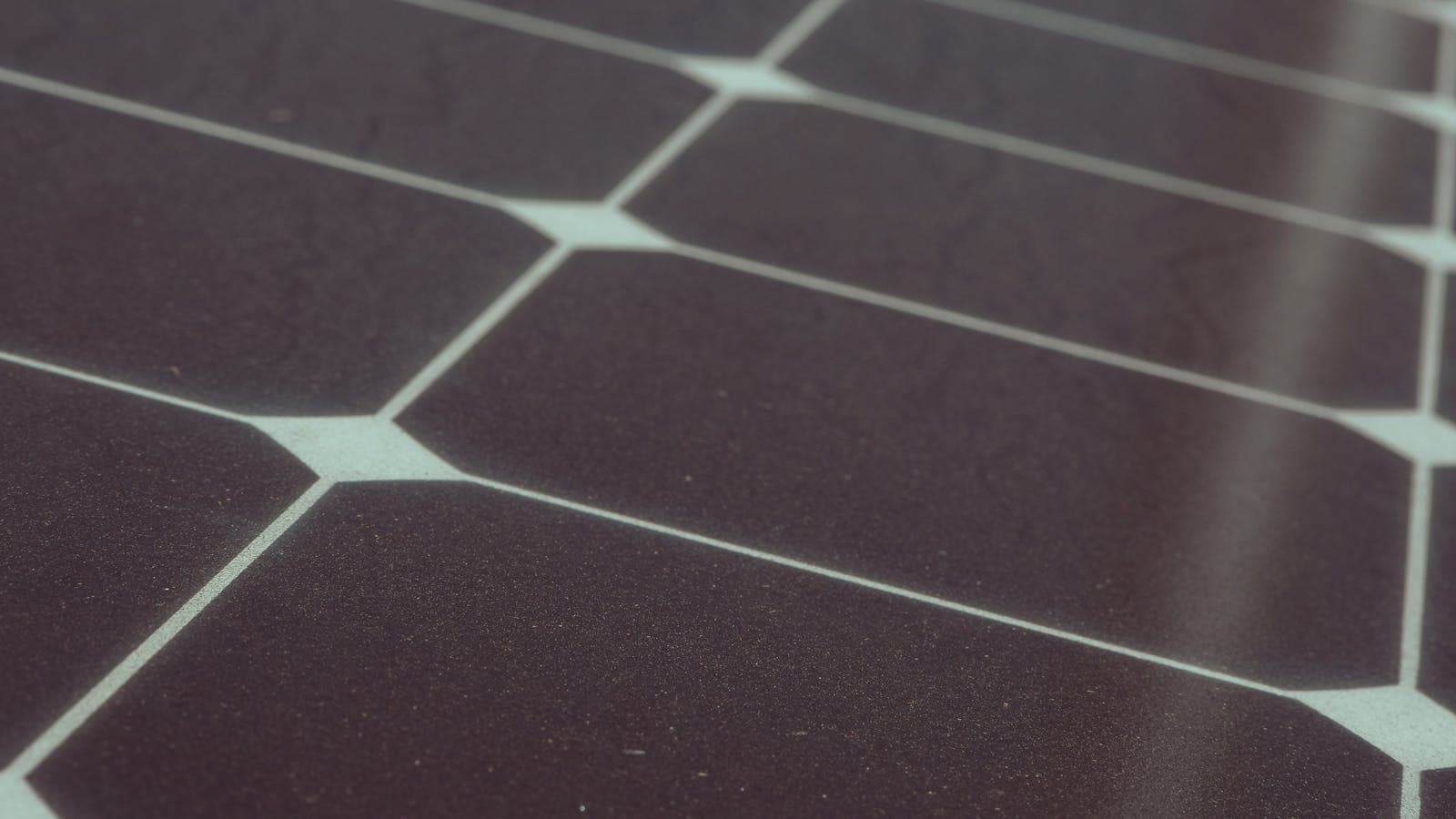
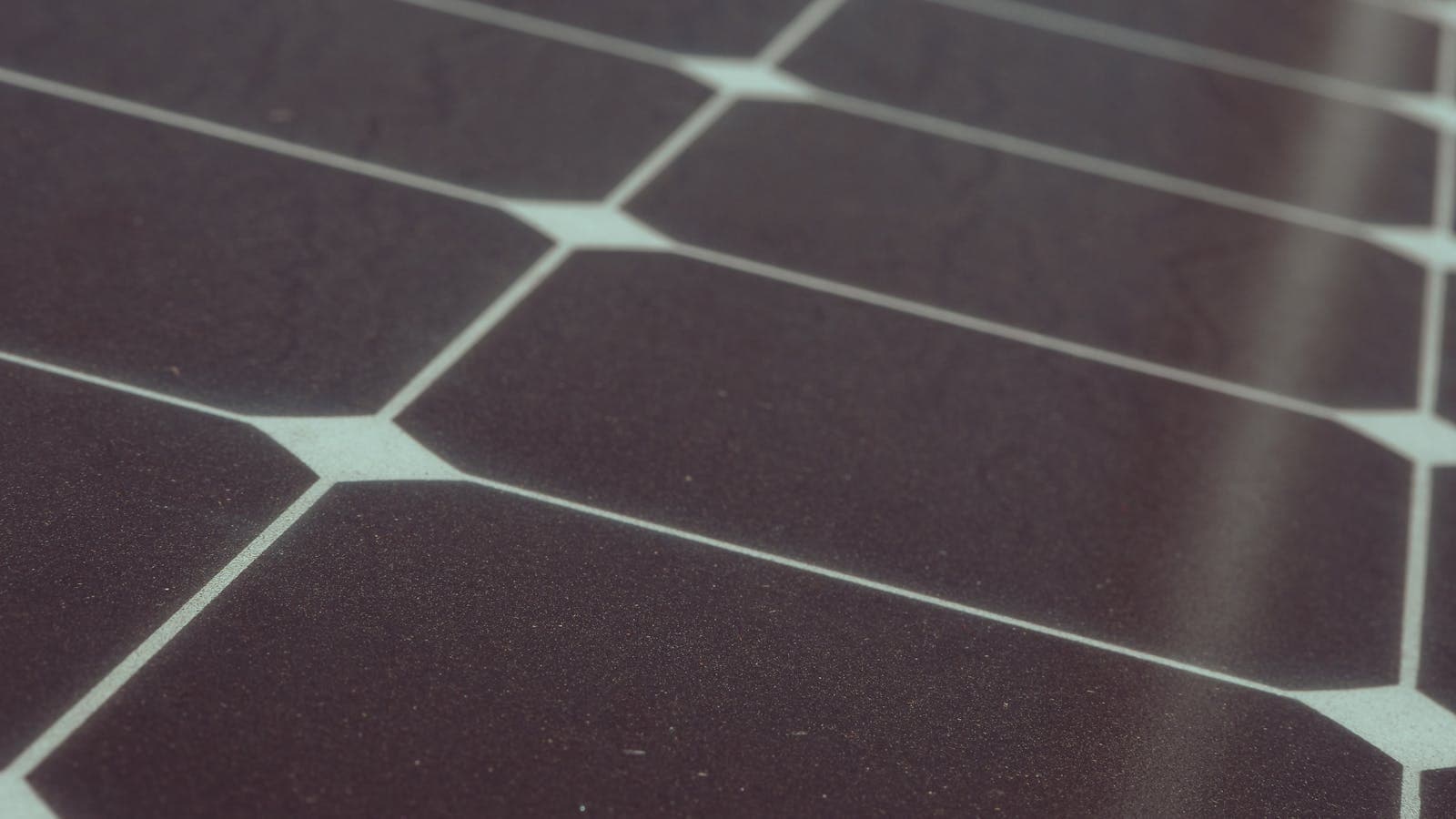
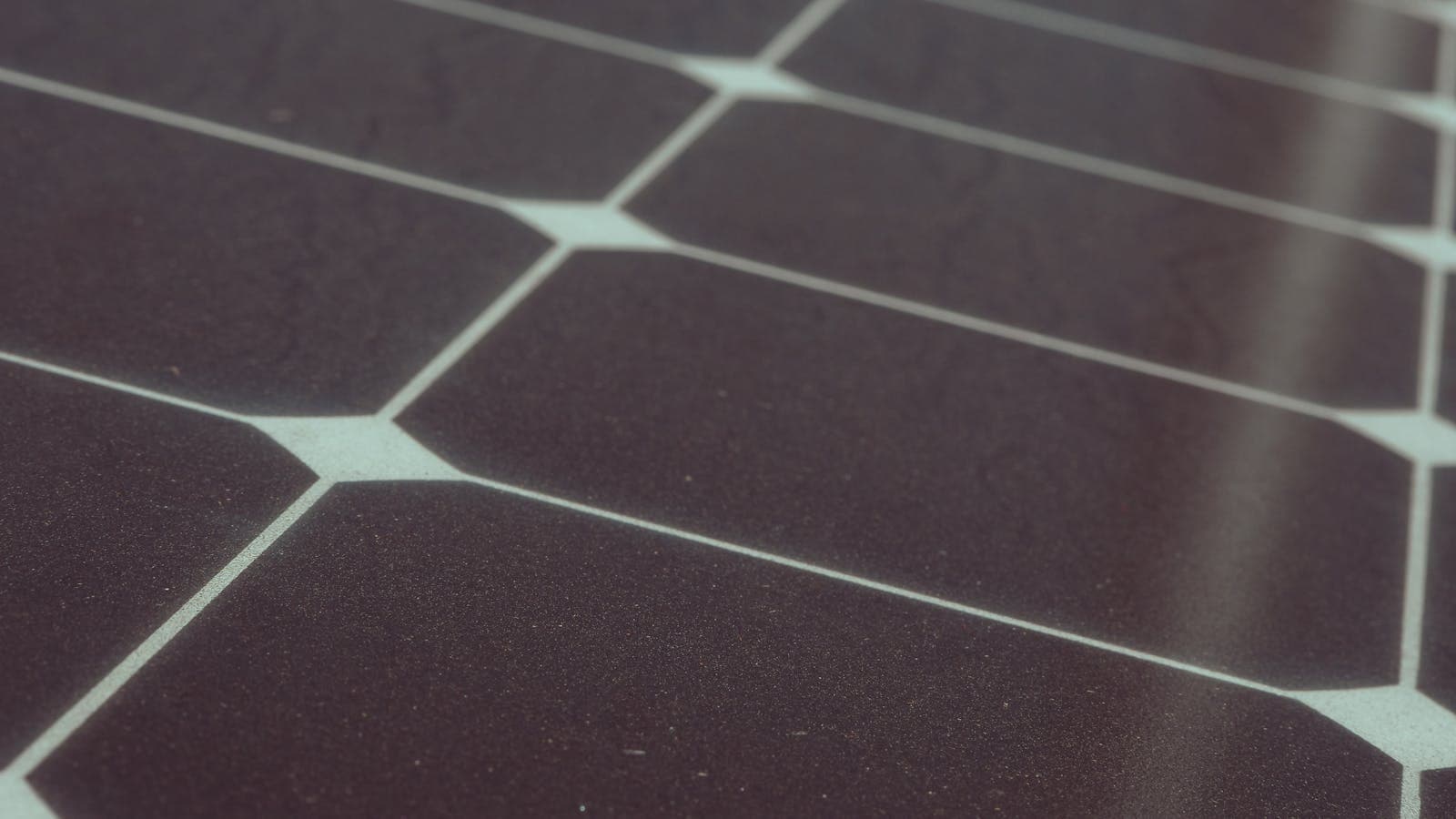
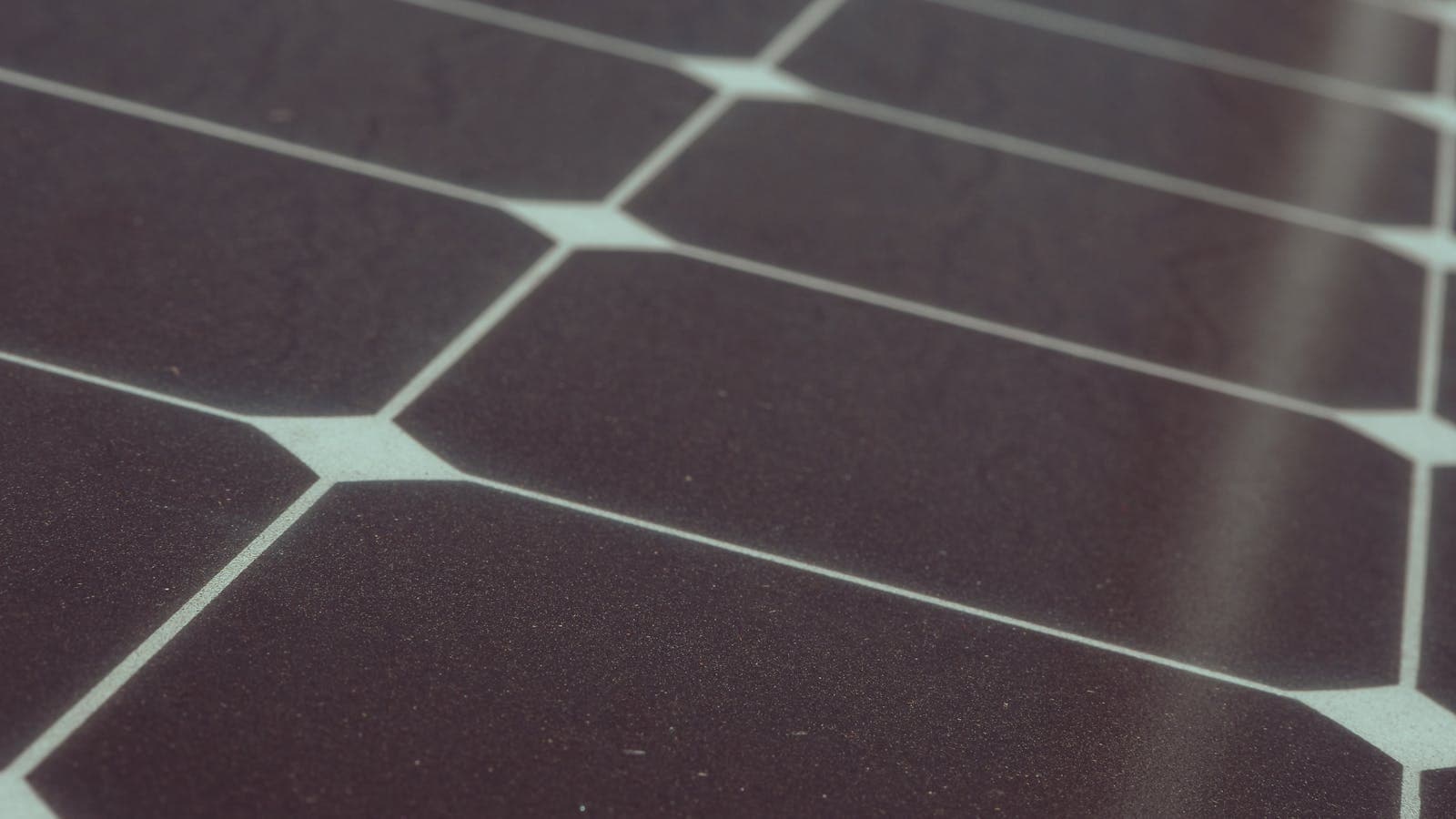
Solar Panel Not Producing Expected Output? — Troubleshooting Guide
Your solar system is underperforming? Follow this step-by-step troubleshooting guide to identify and fix the most common causes of low solar panel output.
Don't Panic — Most Issues Are Fixable
If your solar system is producing less than expected, there are many common causes that can be diagnosed and resolved. Before assuming panel defects, work through this systematic troubleshooting guide.
Step 1: Verify Your Expectations
- Compare actual output to your system's design estimate, not the panel's STC rating
- Account for seasonal variation — winter output is 30–50% lower than summer in the UAE
- Check that your estimate includes realistic system losses (15–25%)
Step 2: Check for Soiling
In the Middle East, dust accumulation is the #1 cause of underperformance. Inspect panels visually. If they appear dirty, clean them following safe cleaning procedures. In severe cases, soiling can reduce output by 25–30%.
Step 3: Inspect for Shading
- Check for new obstructions: trees that have grown, new buildings, satellite dishes, or water tanks
- Check for partial shading at different times of day
- Even small shadows (bird droppings, a single leaf) can significantly reduce string output
Step 4: Check Inverter Status
- Verify the inverter is running without error codes
- Check if any MPPT input shows significantly lower power
- Ensure the inverter firmware is up to date
- Check for inverter clipping — if the DC array is oversized relative to the AC inverter rating
Step 5: Inspect Wiring and Connections
- Check MC4 connectors for corrosion, looseness, or burn marks
- Measure string voltage — compare to expected Vmpp × number of panels
- Look for damaged or pinched cables
Step 6: Check Individual Panel Performance
If one string underperforms, isolate panels to identify the weak link. An IR camera can reveal hot spots indicating damaged cells.
Step 7: Contact Your Installer
If you cannot identify the issue, contact your installer for a professional inspection. They can perform detailed testing including I-V curve tracing and EL imaging.
Frequently Asked Questions
My system produced less this month — is something wrong?
Not necessarily. Solar output varies by season, weather, and soiling. Compare to the same month last year. A 5–10% variation is normal.
How do I know if a panel is defective?
Persistent underperformance after cleaning and shade elimination, or visible damage (hot spots, yellowing, snail trails) may indicate a defect. Contact LONGi warranty support with monitoring data.
Can extreme heat reduce my system's output?
Yes. In peak UAE summer, heat can reduce output by 10–15% compared to STC ratings. This is normal and accounted for in proper system design.
Frequently Asked Questions
Less output this month — something wrong?
How to know if panel is defective?
Can extreme heat reduce output?
- #solar panel troubleshooting
- #low solar output
- #solar panel not working
- #LONGi panel underperformance
- #solar system diagnosis
- #fix solar panels
Ready to order?
Every unit in the catalogue carries its price — add it to the cart and order online, then collect it from our store in Dubai or Riyadh.