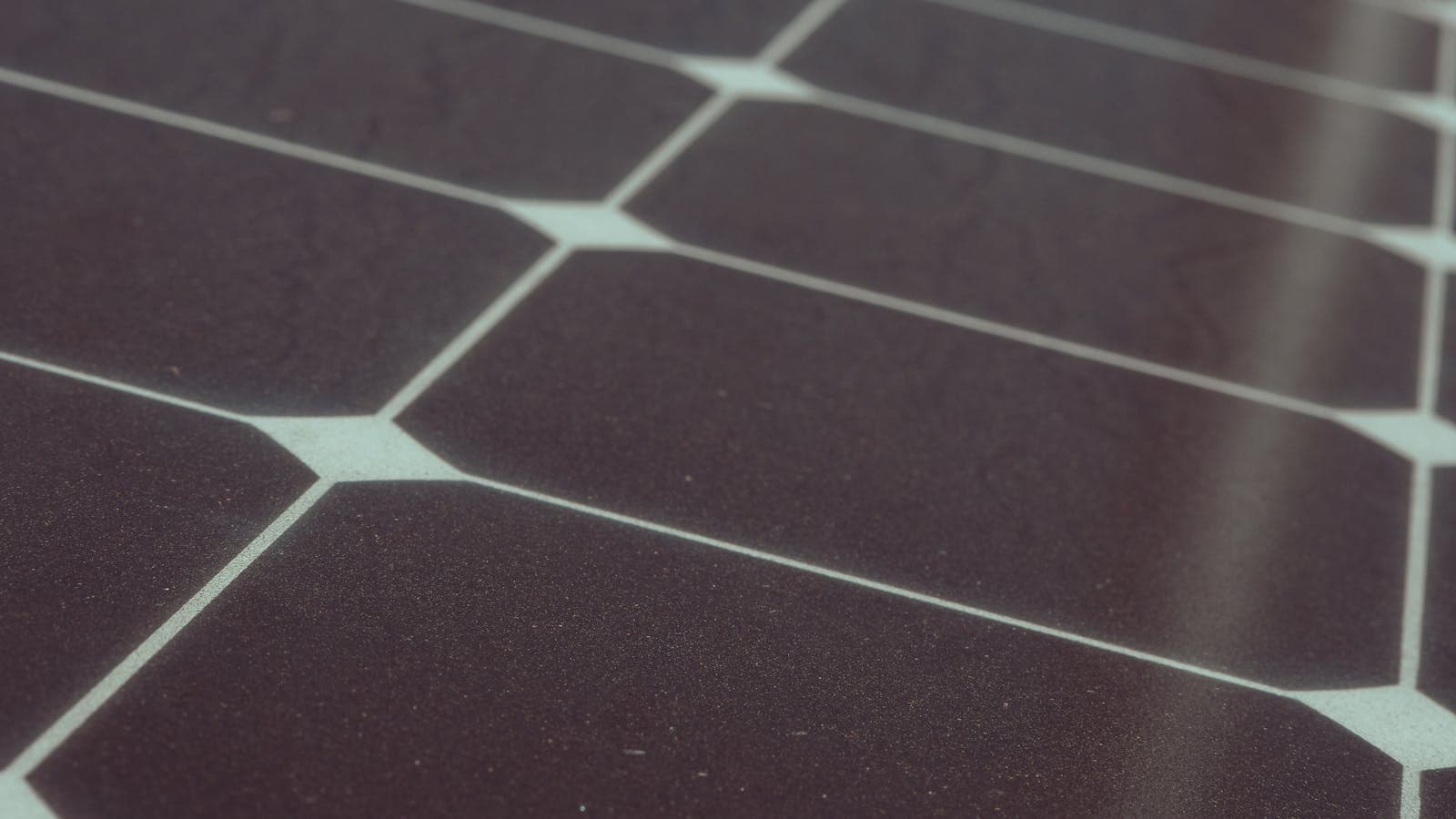
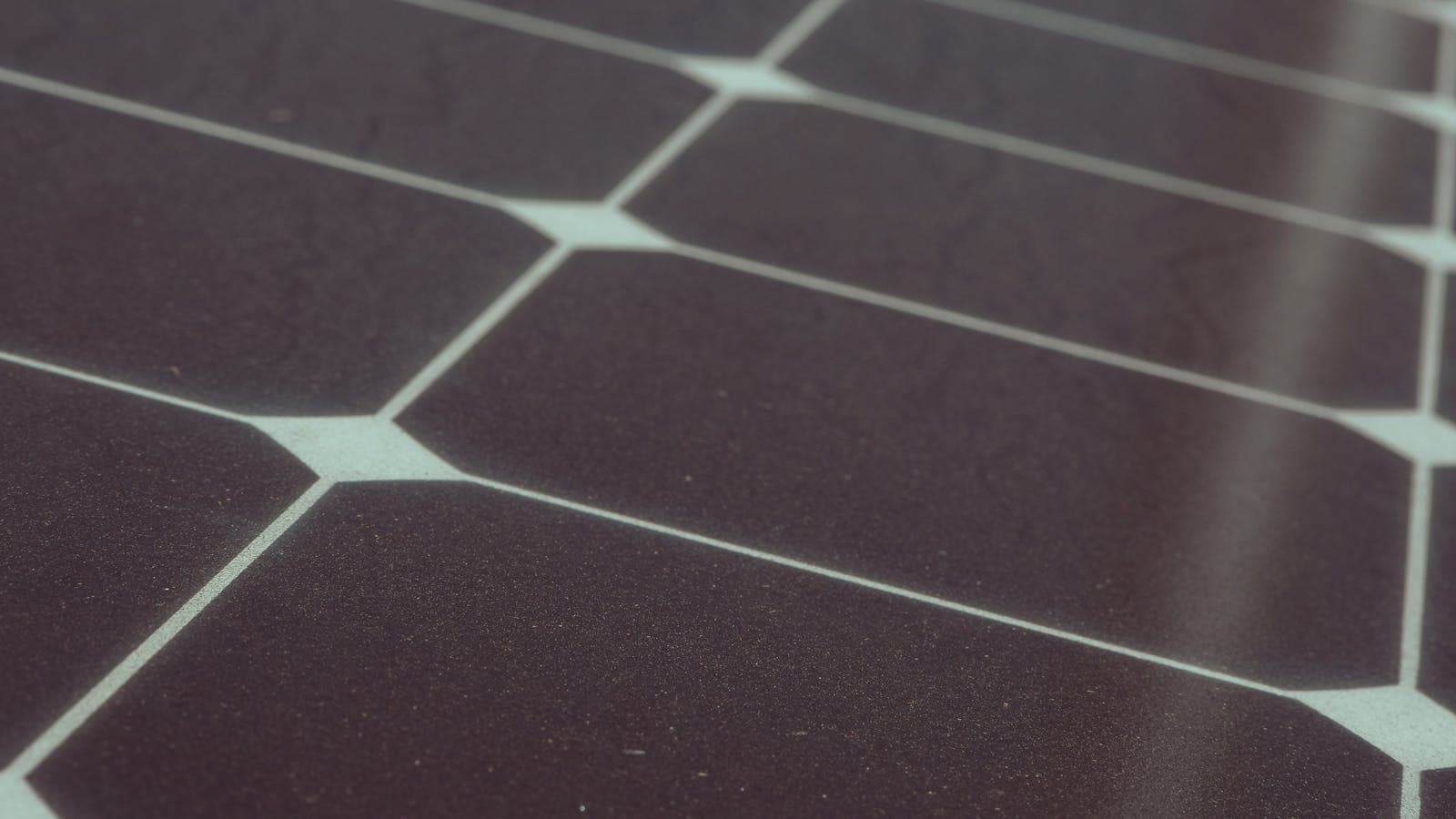
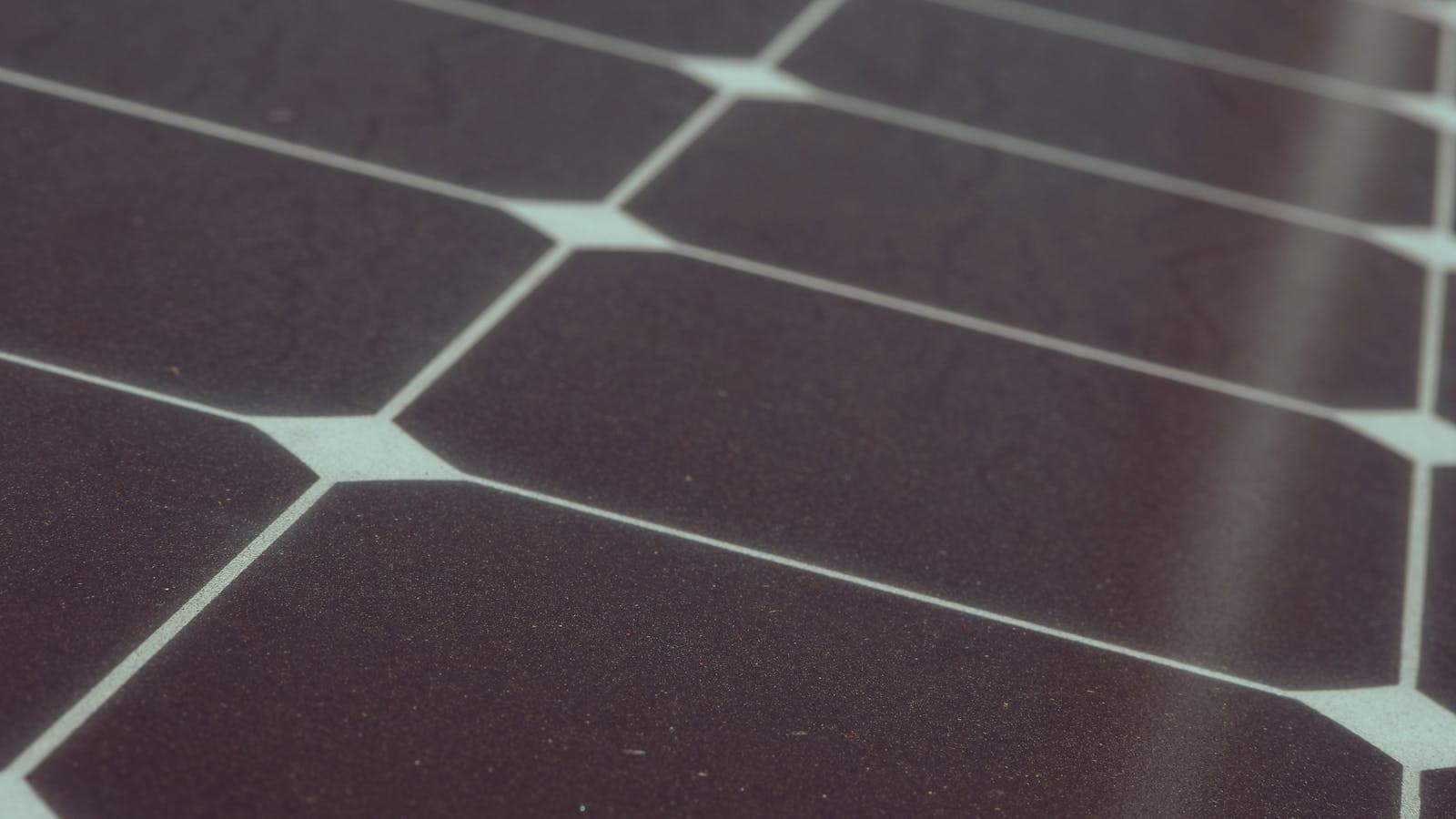
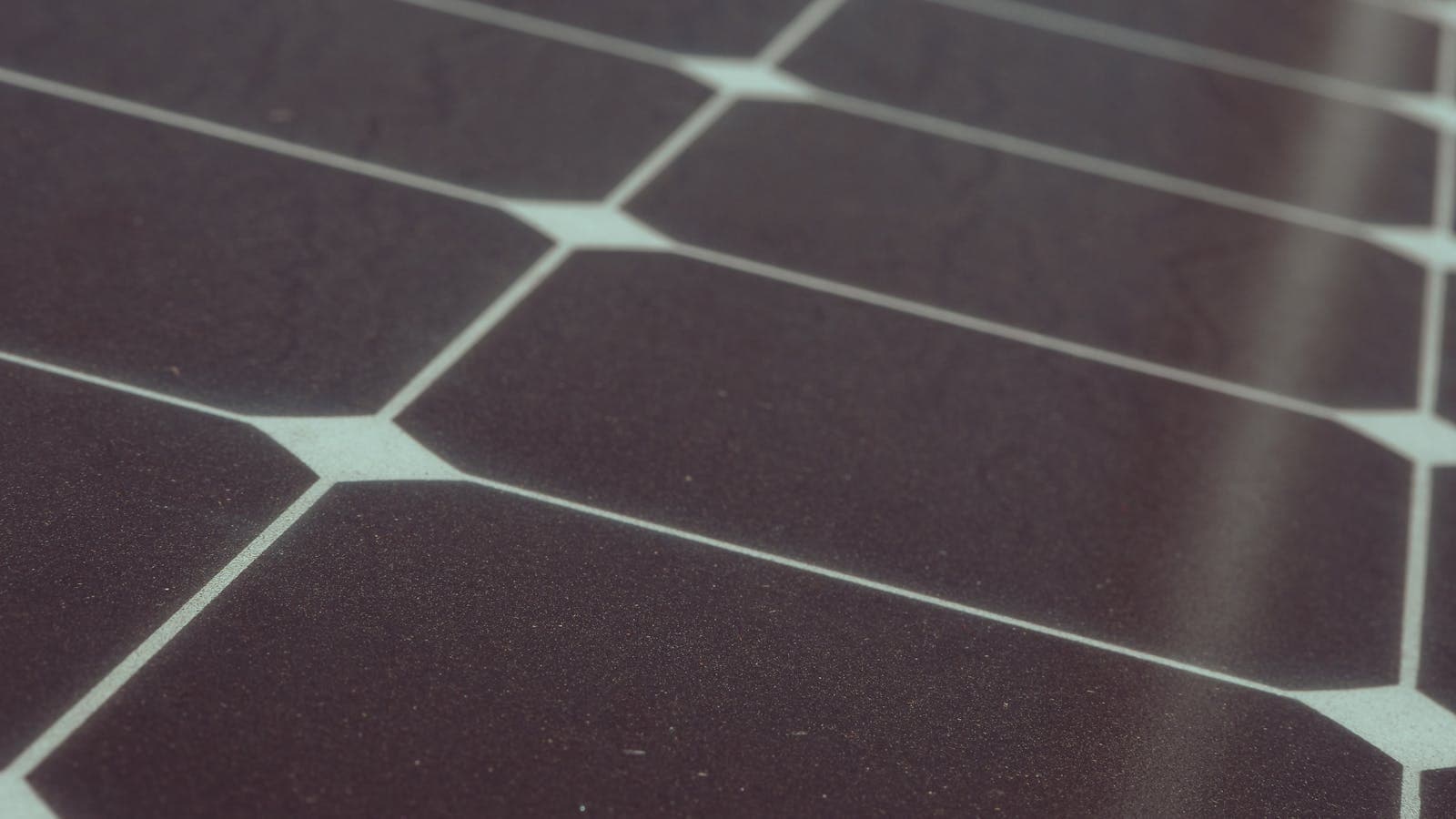
How to Maximise Solar Panel Efficiency — 10 Proven Tips
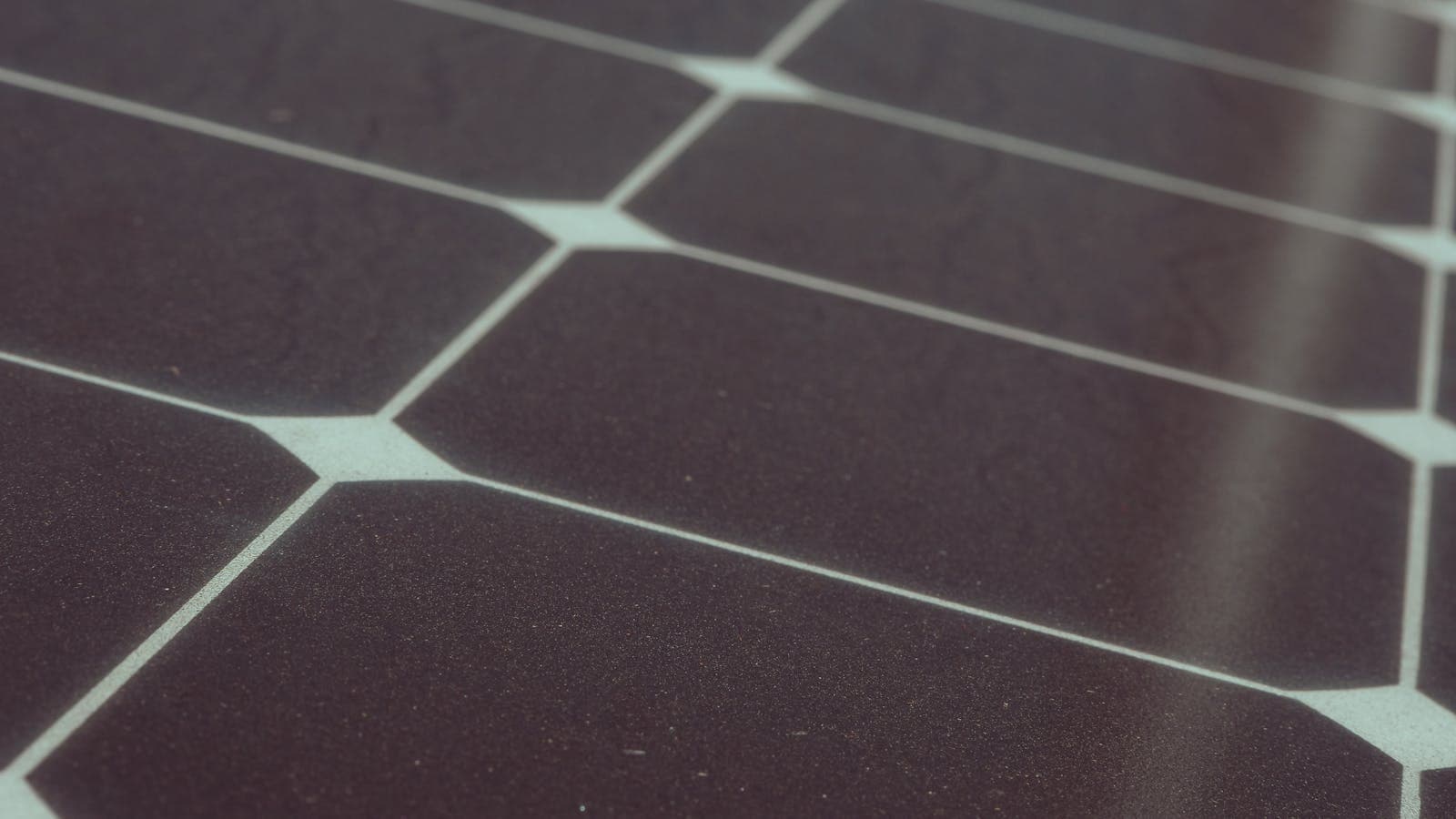
Boost your solar panel output with these 10 proven tips. From optimal tilt angle to regular cleaning, learn how to get the most from your LONGi Hi-MO system.
Why Efficiency Matters
A solar panel's nameplate efficiency is measured under ideal lab conditions (STC: 25°C, 1,000 W/m²). In the real world, multiple factors reduce actual output by 15–25%. By addressing these factors, you can recover significant energy and improve your return on investment.
10 Tips to Maximise Solar Panel Efficiency
1. Choose High-Efficiency Panels
Start with the best possible hardware. LONGi Hi-MO 7 panels achieve 22.8% efficiency with N-type TOPCon cells — among the highest available. Higher base efficiency means more watts from every square metre.
2. Optimise Tilt Angle
The ideal tilt angle depends on your latitude. In the UAE (24°N), a fixed tilt of 20–25° maximises annual yield. Adjustable mounts that change tilt seasonally can improve output by 5–8%.
3. Ensure Proper Orientation
Face panels due south in the Northern Hemisphere. Each 15° deviation from south reduces annual output by approximately 1.5%. East-west splits can work but produce 10–15% less than due south.
4. Eliminate Shading
Even small shadows dramatically reduce output. A shadow covering 10% of a panel can reduce output by 30–50% due to bypass diode activation. Trim trees, relocate obstructions, or use module-level power optimisers.
5. Maintain Proper Ventilation
Every 1°C rise in cell temperature above 25°C reduces output by the panel's temperature coefficient. Ensure 100mm+ clearance between panels and the roof for airflow. In the UAE, good ventilation can recover 3–5% of output.
6. Clean Panels Regularly
Soiling reduces output by 15–30% in dusty environments. Clean every 2–4 weeks in the Middle East using soft brushes and water. The investment in cleaning pays for itself many times over.
7. Right-Size Your Inverter
Undersized inverters clip peak output; oversized inverters operate inefficiently at low loads. A DC/AC ratio of 1.1–1.3 is optimal for most systems. Use string inverters with multiple MPPTs for different roof orientations.
8. Minimise Cable Losses
Use appropriately sized DC cables to keep voltage drop below 2%. Shorter cable runs between panels and inverter reduce resistive losses. Use aluminium AC cables sized for less than 1% voltage drop.
9. Monitor System Performance
Install a monitoring system to track daily output and detect issues early. Compare actual output against expected values. A sudden drop often indicates a wiring fault, inverter error, or heavy soiling.
10. Use Module-Level Electronics When Needed
If partial shading is unavoidable, power optimisers or microinverters allow each panel to operate at its individual maximum power point, preventing one shaded panel from dragging down the entire string.
Impact Summary
| Optimisation | Potential Gain |
|---|---|
| High-efficiency panels (22.8% vs 20%) | +14% |
| Optimal tilt angle | +3–8% |
| Shading elimination | +5–30% |
| Regular cleaning | +10–25% |
| Proper ventilation | +3–5% |
| Cable loss reduction | +1–2% |
Frequently Asked Questions
What is the single biggest efficiency killer?
In hot, dusty climates like the UAE, soiling and temperature are the two biggest factors. Regular cleaning and choosing panels with low temperature coefficients (like LONGi Hi-MO 7 at −0.29%/°C) address both.
Do solar panels lose efficiency over time?
Yes, through a process called degradation. LONGi Hi-MO 7 (N-type TOPCon) degrades at approximately 0.4% per year after an initial 1% first-year loss. After 25 years, expect ~89% of original output.
Is it worth upgrading old panels to newer, more efficient ones?
If your panels are over 15 years old and have degraded significantly, upgrading to LONGi Hi-MO 7 panels can increase output by 30–50% from the same roof area while using your existing mounting and wiring infrastructure.
Frequently Asked Questions
What is the biggest efficiency killer?
Do panels lose efficiency over time?
Is it worth upgrading old panels?
- #maximize solar efficiency
- #solar panel tips
- #solar panel performance
- #LONGi Hi-MO 7
- #solar output optimization
- #solar panel tilt angle
- #solar panel cleaning
Ready to order?
Every unit in the catalogue carries its price — add it to the cart and order online, then collect it from our store in Dubai or Riyadh.