Mono PERC vs TOPCon vs HJT — Solar Cell Technology Compared
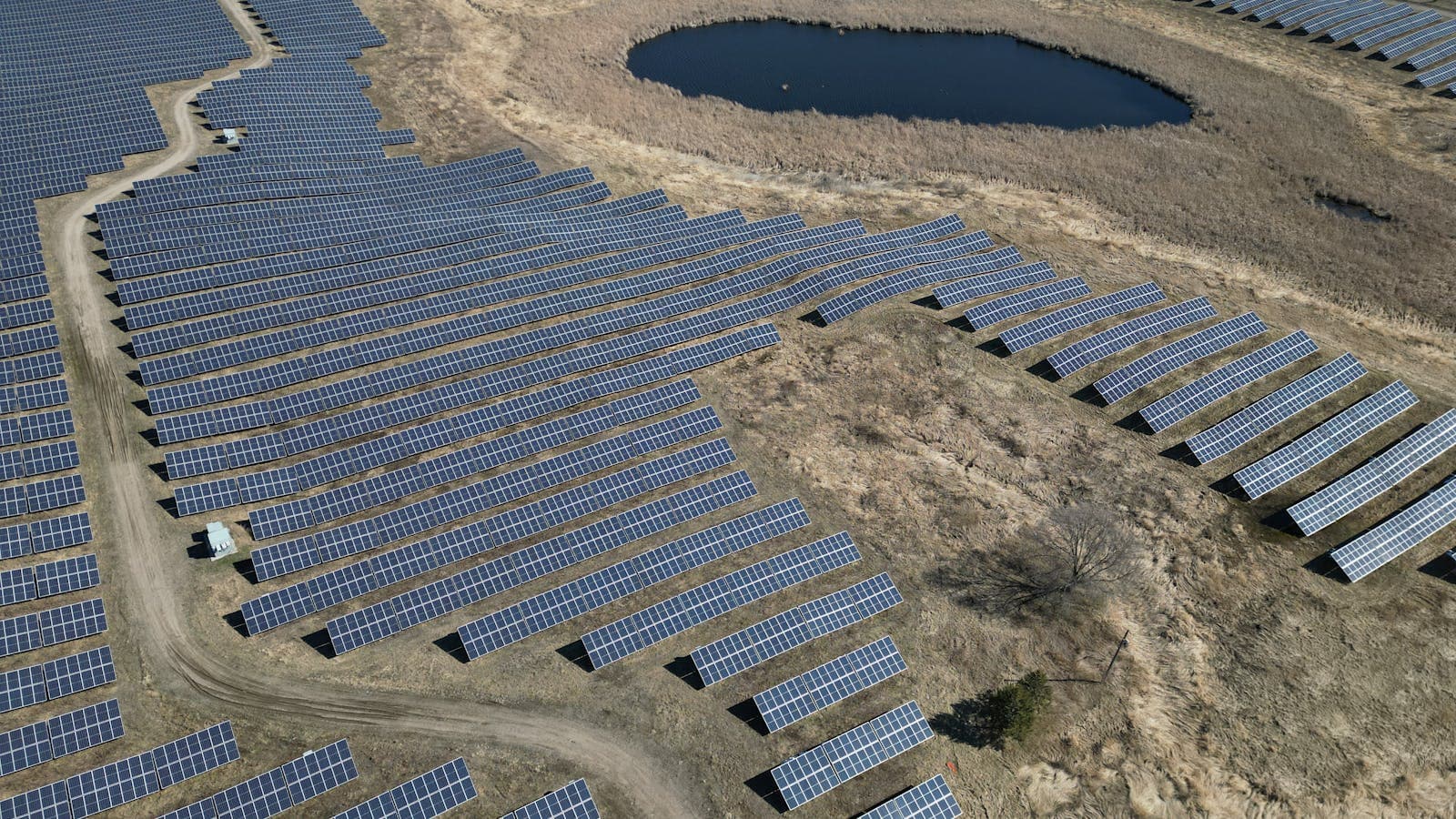
Compare the three leading solar cell technologies: Mono PERC, N-type TOPCon, and HJT. Understand efficiency, cost, hot-climate performance, and future outlook.
The Three Dominant Technologies in 2026
The solar industry is transitioning from P-type Mono PERC to N-type technologies (TOPCon and HJT). Each has distinct advantages in efficiency, temperature performance, cost, and manufacturing maturity.
Technology Comparison
| Feature | Mono PERC | N-type TOPCon | HJT |
|---|---|---|---|
| Cell structure | P-type, rear passivated | N-type, tunnel oxide passivated | N-type, amorphous Si heterojunction |
| Max cell efficiency | 24.0% | 26.5% | 26.8% |
| Max module efficiency | 21.8% | 22.8% | 22.5% |
| Temperature coefficient | −0.34 to −0.38%/°C | −0.29 to −0.32%/°C | −0.24 to −0.26%/°C |
| LID susceptibility | Yes (B-O defects) | Minimal | Minimal |
| PID resistance | Requires treatment | Inherent resistance | Inherent resistance |
| Bifacial capability | Limited (~70%) | High (~80%) | High (~85%) |
| Manufacturing cost | Lowest | Low-medium | Highest |
| Market share 2026 | ~35% (declining) | ~55% (growing) | ~10% (niche) |
| LONGi product | Hi-MO 6 | Hi-MO 7, Hi-MO X6 | N/A |
Mono PERC — The Proven Workhorse
PERC (Passivated Emitter and Rear Cell) has been the industry standard for over a decade. It is the most cost-effective technology with the lowest manufacturing cost per watt. LONGi's Hi-MO 6 represents the best of PERC technology at up to 21.8% efficiency.
Best for: Budget-conscious projects, temperate climates, proven reliability.
N-type TOPCon — The New Standard
TOPCon (Tunnel Oxide Passivated Contact) adds an ultra-thin tunnel oxide layer to reduce recombination losses. It achieves higher efficiency than PERC while maintaining similar manufacturing costs. LONGi's Hi-MO 7 achieves 22.8% efficiency — the industry's highest for TOPCon.
Best for: Hot climates, maximum efficiency, long-term value, most projects in 2026.
HJT — The Premium Option
Heterojunction technology combines crystalline silicon with amorphous silicon layers, achieving the lowest temperature coefficients (−0.24%/°C). However, HJT is 20–30% more expensive to manufacture and has lower module-level efficiency than the best TOPCon panels.
Best for: Extreme hot-climate applications where the temperature coefficient justifies the premium.
Hot-Climate Performance Comparison
At 65°C module temperature (typical Middle East summer):
- Mono PERC (−0.36%/°C): 14.4% power loss → 85.6% of STC output
- TOPCon (−0.29%/°C): 11.6% power loss → 88.4% of STC output
- HJT (−0.25%/°C): 10.0% power loss → 90.0% of STC output
The Verdict for 2026
N-type TOPCon (LONGi Hi-MO 7) offers the best balance of efficiency, cost, and hot-climate performance for the vast majority of projects. HJT remains a niche premium option. Mono PERC continues to serve budget-conscious installations well.
The technologies are easier to judge on real rows: Hi-MO 5 vs Hi-MO 7 sets a Mono PERC record against a TOPCon one, and the sizing calculator shows what the difference means in panel count.
Frequently Asked Questions
Is TOPCon better than PERC?
Yes. TOPCon offers higher efficiency, lower degradation, better hot-climate performance, and inherent PID/LID resistance — all at only 5–8% higher cost than PERC.
Is HJT better than TOPCon?
HJT has a better temperature coefficient but lower module efficiency and 20–30% higher cost than the best TOPCon panels. For most projects, TOPCon offers better value.
Will PERC become obsolete?
PERC is declining in market share but will remain available for several more years. It still offers the lowest cost per watt and is suitable for budget projects.
Frequently Asked Questions
Is TOPCon better than PERC?
Is HJT better than TOPCon?
Will PERC become obsolete?
- #Mono PERC vs TOPCon
- #TOPCon vs HJT
- #solar cell technology
- #N-type solar cells
- #LONGi Hi-MO 7
- #solar technology comparison
- #PERC solar panels
Ready to order?
Every unit in the catalogue carries its price — add it to the cart and order online, then collect it from our store in Dubai or Riyadh.