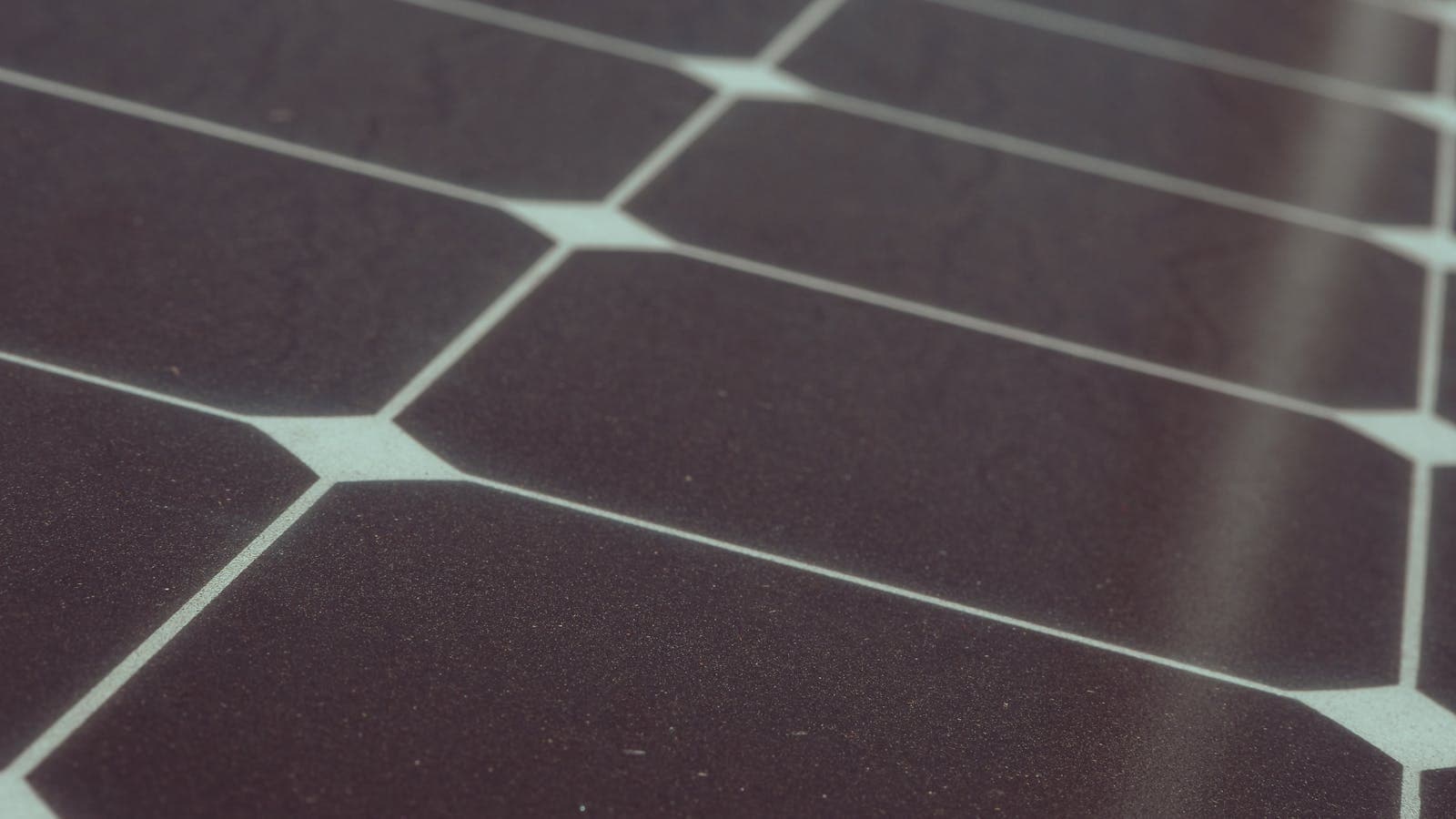
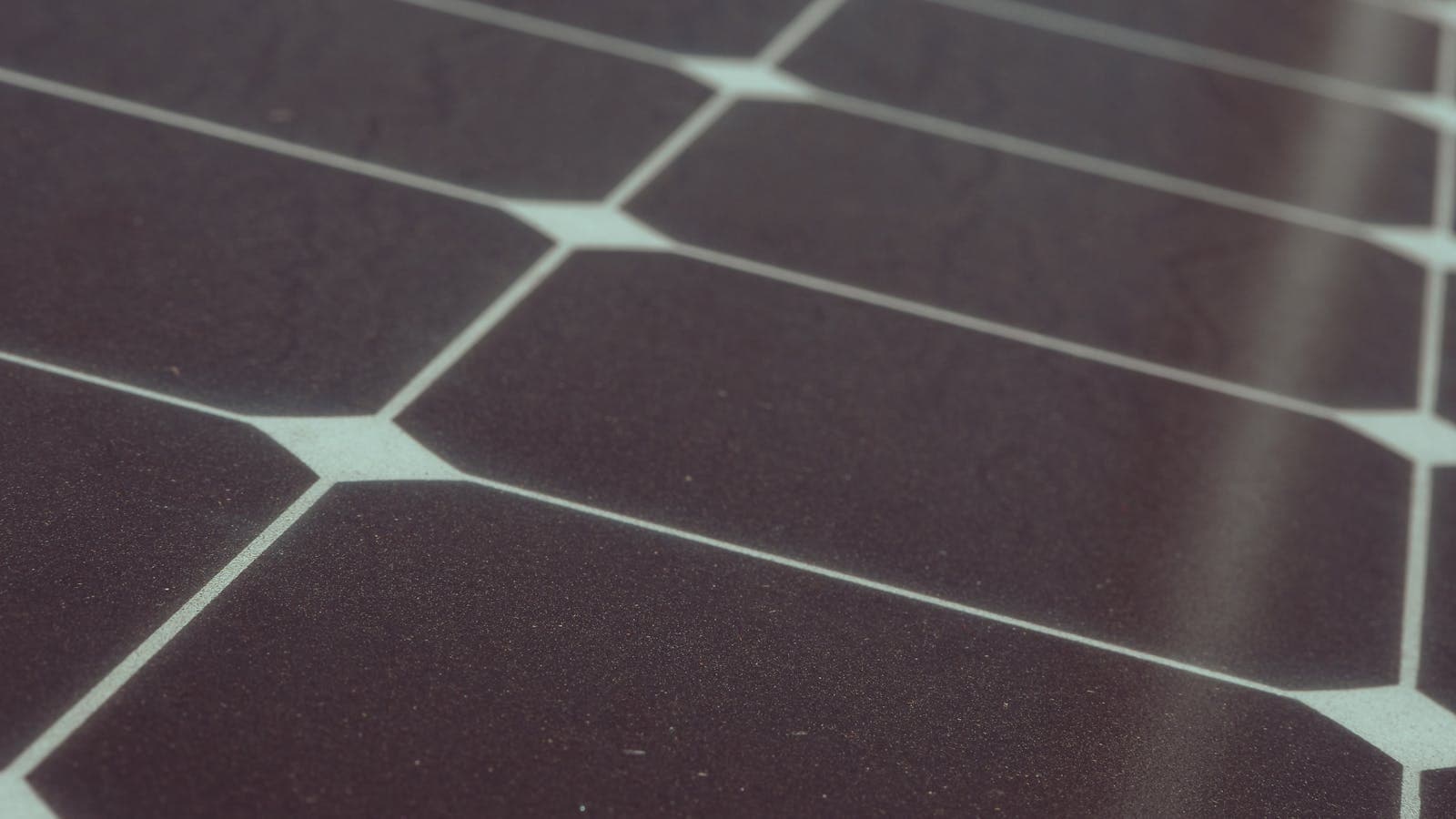
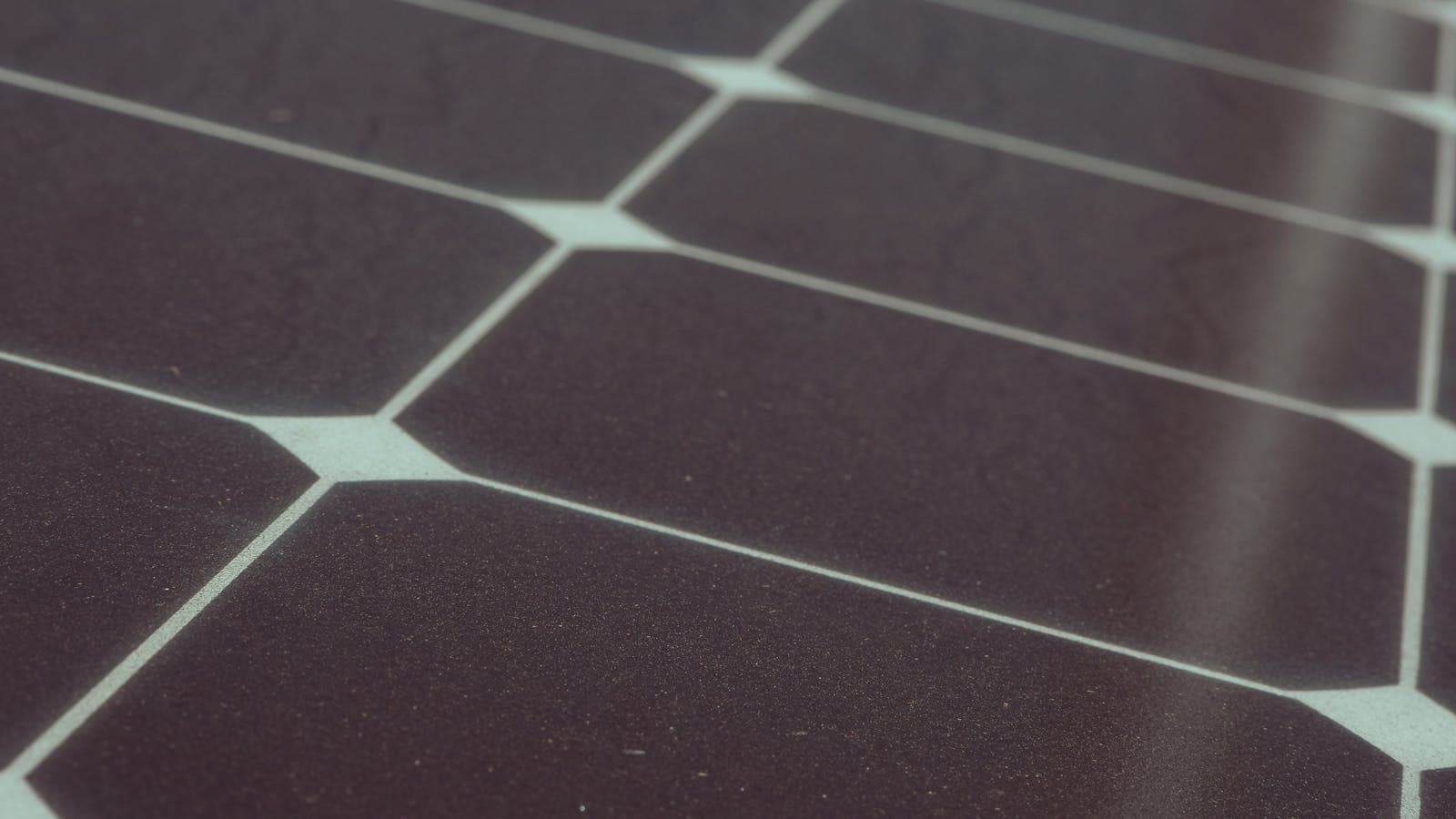
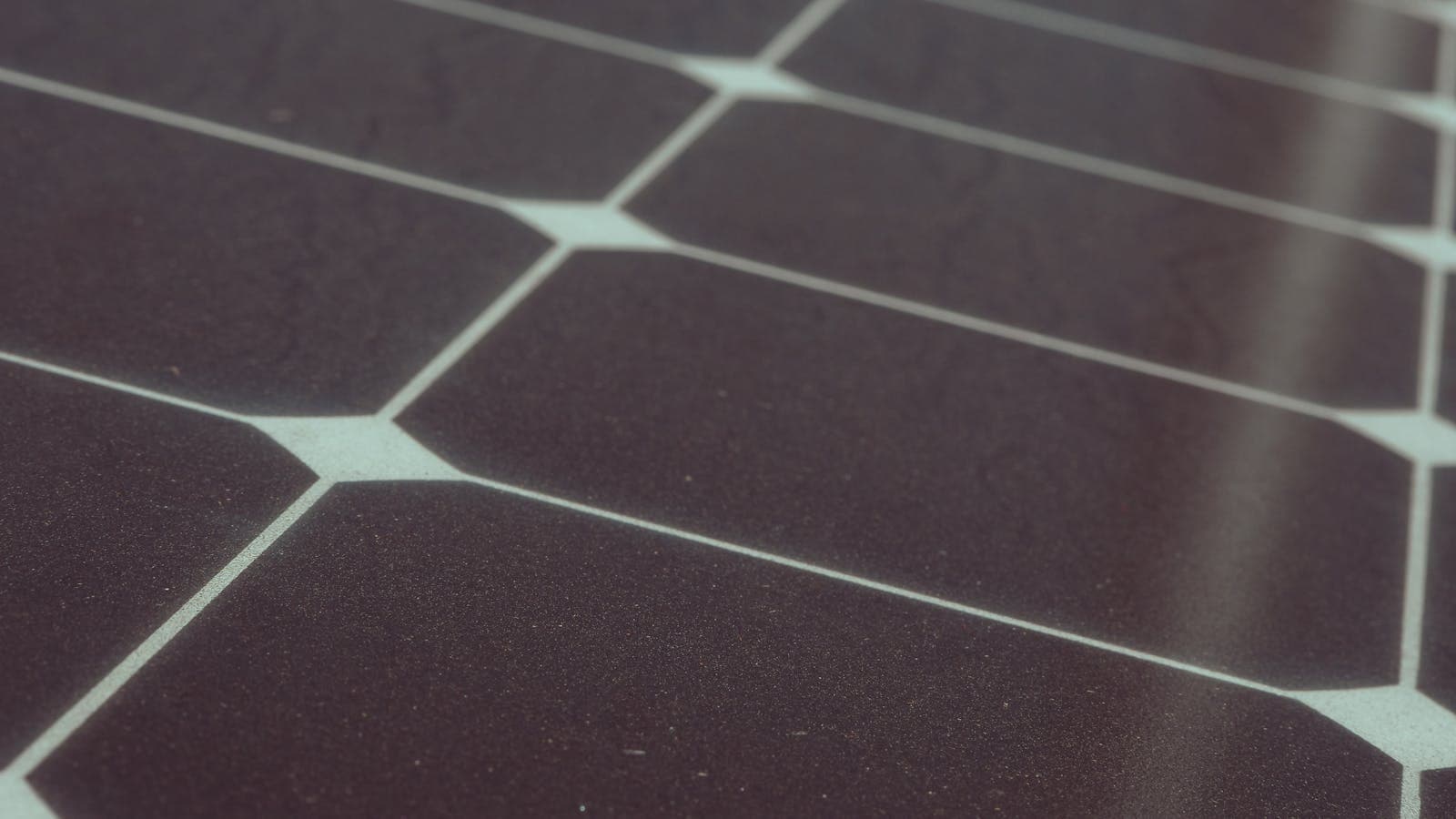
Solar Panel Hot Spots — Causes, Detection & Prevention
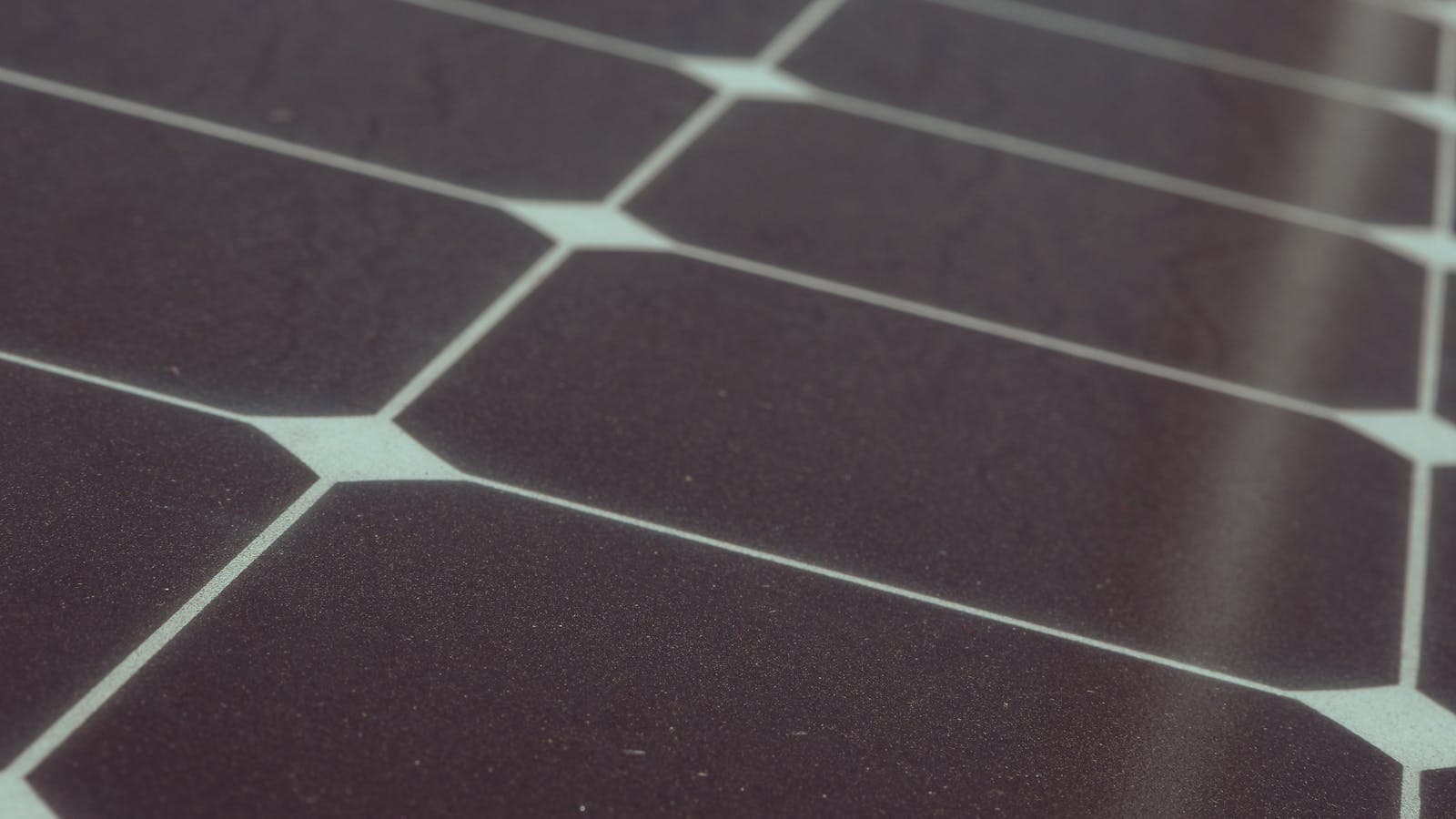
Learn what causes hot spots in solar panels, how to detect them with thermal imaging, and prevention strategies. LONGi's half-cut cells reduce hot-spot risk.
What Are Hot Spots?
A hot spot occurs when a localised area of a solar panel becomes significantly hotter than surrounding cells. This happens when a cell is shaded, cracked, or mismatched, forcing it to dissipate power as heat rather than generating electricity. Temperatures in hot spots can exceed 150°C, potentially damaging the encapsulant, backsheet, and even causing fire in extreme cases.
Common Causes
- Partial shading: Shadows from bird droppings, leaves, or objects
- Cell micro-cracks: From improper handling during installation
- Manufacturing defects: Cell mismatch or poor soldering
- Snail trails: Moisture-induced silver migration along micro-cracks
- PID: Potential-induced degradation creating weak cells
How to Detect Hot Spots
- Thermal imaging (IR camera): The most reliable method. Hot spots appear as bright spots on an IR image. Regular annual IR inspections are recommended.
- Visual inspection: Yellowing or browning of the backsheet indicates historic hot-spot damage.
- Monitoring data: Unexplained output drops in specific strings may indicate hot-spot issues.
Prevention Strategies
- Choose quality panels: LONGi Hi-MO panels undergo rigorous hot-spot testing per IEC 61215
- Half-cut cells: LONGi's half-cut cell design reduces current by 50%, cutting hot-spot power dissipation by 75%
- Proper handling: Never step on panels or stack them incorrectly during transport
- Regular cleaning: Remove debris that causes partial shading
- Bypass diodes: Ensure panels have functioning bypass diodes (all LONGi Hi-MO panels include 3)
Frequently Asked Questions
Can hot spots damage panels permanently?
Yes. Sustained hot spots can melt solder joints, yellow the encapsulant, burn the backsheet, and permanently degrade cell performance. Early detection through IR inspection is essential.
Do half-cut cells reduce hot spots?
Yes, significantly. Half-cut cells carry half the current, reducing hot-spot energy dissipation by 75% compared to full-cell designs.
Are hot spots covered by warranty?
Hot spots caused by manufacturing defects are covered under the product warranty. Hot spots caused by improper installation or maintenance are typically not covered.
Frequently Asked Questions
Can hot spots cause permanent damage?
Do half-cut cells reduce hot spots?
Are hot spots covered by warranty?
- #solar panel hot spots
- #hot spot detection
- #thermal imaging solar
- #half-cut cells hot spot
- #LONGi panel quality
- #solar panel safety
Ready to order?
Every unit in the catalogue carries its price — add it to the cart and order online, then collect it from our store in Dubai or Riyadh.