High-performance PV modules for utility
High-performance PV modules for utility power plants
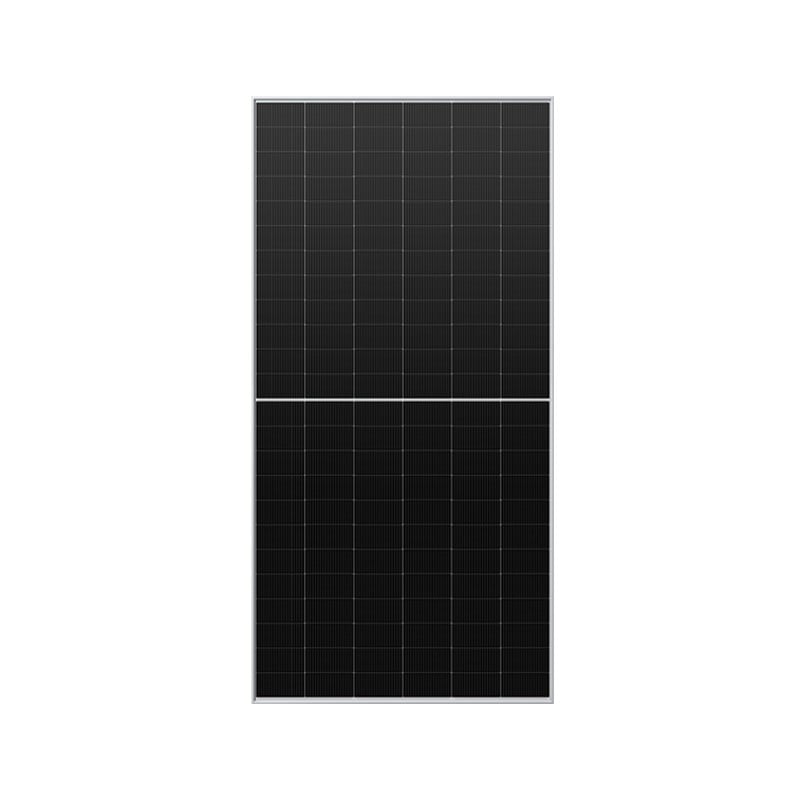
Solar PanelsModel LR7-72HGD-605W
Discover LONGi Hi-MO 7 LR7-72HGD 605W solar panel with high efficiency and 605W power output for optimal energy solutions.
What sets the LR7-72HGD-605W apart from the other 6 models in the family: Maximum Power (Pmax) 605W; Open Circuit Voltage (Voc) 52.64V; Short Circuit Current (Isc) 15.21A; Maximum Power Voltage (Vmpp) 44.06V; Maximum Power Current (Impp) 13.95A; Module Efficiency 22.8%.
In stock
High-performance PV modules for utility power plants
High bifaciality and excellent power temperature coefficient
LONGi lifecycle quality ensures long-term performance
The LONGi Hi-MO 7 LR7-72HGD 605W is a Hi-MO 7 solar panel engineered for residential rooftop installations, delivering a maximum power output of 605W at 22.8% module efficiency. Under standard test conditions it produces an open-circuit voltage (Voc) of 52.64V, a short-circuit current (Isc) of 15.21A, a voltage at maximum power (Vmp) of 44.06V and a current at maximum power (Imp) of 13.95A. The panel measures 2382×1134×30mm and weighs 33.5kg, with an Anodized aluminum alloy frame and Dual glass, 2.0-2.0mm heat strengthened glass. It operates across -40°C to +85°C, a maximum system voltage of DC1500V (IEC/UL) and a maximum series fuse rating of 30A. It withstands a front-side static load of 5400Pa and a rear-side static load of 2400Pa, with a Pmax temperature coefficient of -0.280%/°C, a Voc coefficient of -0.230%/°C and an Isc coefficient of +0.048%/°C. With a bifaciality of 80±5%, it also captures additional energy reflected onto its rear side. The Hi-MO 7 LR7-72HGD 605W is certified by IEC 61215, IEC 61730, UL 61730, ISO9001:2015, ISO14001:2015, ISO45001:2018 and IEC62941 and is backed by a 12-year product warranty and a 30-year performance warranty from LONGi Solar.
Specifications last updated 25 March 2026
| Maximum Power (Pmax) | 605W |
|---|---|
| Open Circuit Voltage (Voc) | 52.64V |
| Short Circuit Current (Isc) | 15.21A |
| Maximum Power Voltage (Vmpp) | 44.06V |
| Maximum Power Current (Impp) | 13.95A |
| Module Efficiency | 22.8% |
| Dimensions (L×W×H) | 2382×1134×30mm |
|---|---|
| Weight | 33.5kg |
| Frame Material | Anodized aluminum alloy frame |
| Glass | Dual glass, 2.0-2.0mm heat strengthened glass |
| Temperature Coefficient of Pmax | -0.280%/°C |
|---|---|
| Temperature Coefficient of Voc | -0.230%/°C |
| Temperature Coefficient of Isc | +0.048%/°C |
| Front Side Maximum Static Loading | 5400Pa |
| Rear Side Maximum Static Loading | 2400Pa |
| Operational Temperature | -40°C to +85°C |
| Power Output Tolerance | 0~+3% |
| Maximum System Voltage | DC1500V (IEC/UL) |
| Maximum Series Fuse Rating | 30A |
| Bifaciality | 80±5% |
The LONGi Hi-MO 7 LR7-72HGD 605W has a maximum power output of 605W and a module efficiency of 22.8%.
The Hi-MO 7 LR7-72HGD 605W has an open-circuit voltage (Voc) of 52.64V, a short-circuit current (Isc) of 15.21A, a voltage at maximum power (Vmp) of 44.06V and a current at maximum power (Imp) of 13.95A.
The Hi-MO 7 LR7-72HGD 605W measures 2382×1134×30mm and weighs 33.5kg.
The Hi-MO 7 LR7-72HGD 605W withstands a front-side maximum static load of 5400Pa and a rear-side maximum static load of 2400Pa.
The Hi-MO 7 LR7-72HGD 605W has a Pmax temperature coefficient of -0.280%/°C, a Voc coefficient of -0.230%/°C and an Isc coefficient of +0.048%/°C.
The Hi-MO 7 LR7-72HGD 605W has a maximum system voltage of DC1500V (IEC/UL) and a maximum series fuse rating of 30A.
The Hi-MO 7 LR7-72HGD 605W is certified by IEC 61215, IEC 61730, UL 61730, ISO9001:2015, ISO14001:2015, ISO45001:2018 and IEC62941, meeting recognised international standards for safety and performance.
The Hi-MO 7 LR7-72HGD 605W is backed by a 12-year product warranty and a 30-year performance warranty from LONGi Solar.
The Hi-MO 7 LR7-72HGD 605W uses an Anodized aluminum alloy frame and Dual glass, 2.0-2.0mm heat strengthened glass.
The Hi-MO 7 LR7-72HGD 605W operates across -40°C to +85°C.
Yes — the Hi-MO 7 LR7-72HGD 605W has a bifaciality of 80±5%, allowing it to capture additional energy reflected onto its rear side.
Understand key solar panel certifications: IEC 61215, IEC 61730, IEC 61701, and UL standards. What they test and why they matter for your installation.
Read: Solar Panel Certifications Explained — IEC, UL & More →Learn how to inspect your solar panels for physical and electrical damage. Step-by-step visual checks, when to call a professional, and how to protect your warranty.
Read: How to Inspect Solar Panels for Damage — Visual & Electrical Checks →Learn when to wire solar panels in series, parallel, or series-parallel. Includes voltage and current calculations with LONGi Hi-MO panel examples.
Read: How to Wire Solar Panels: Series vs Parallel — Complete Guide →