How to Install Solar Panels — Complete Step-by-Step Guide
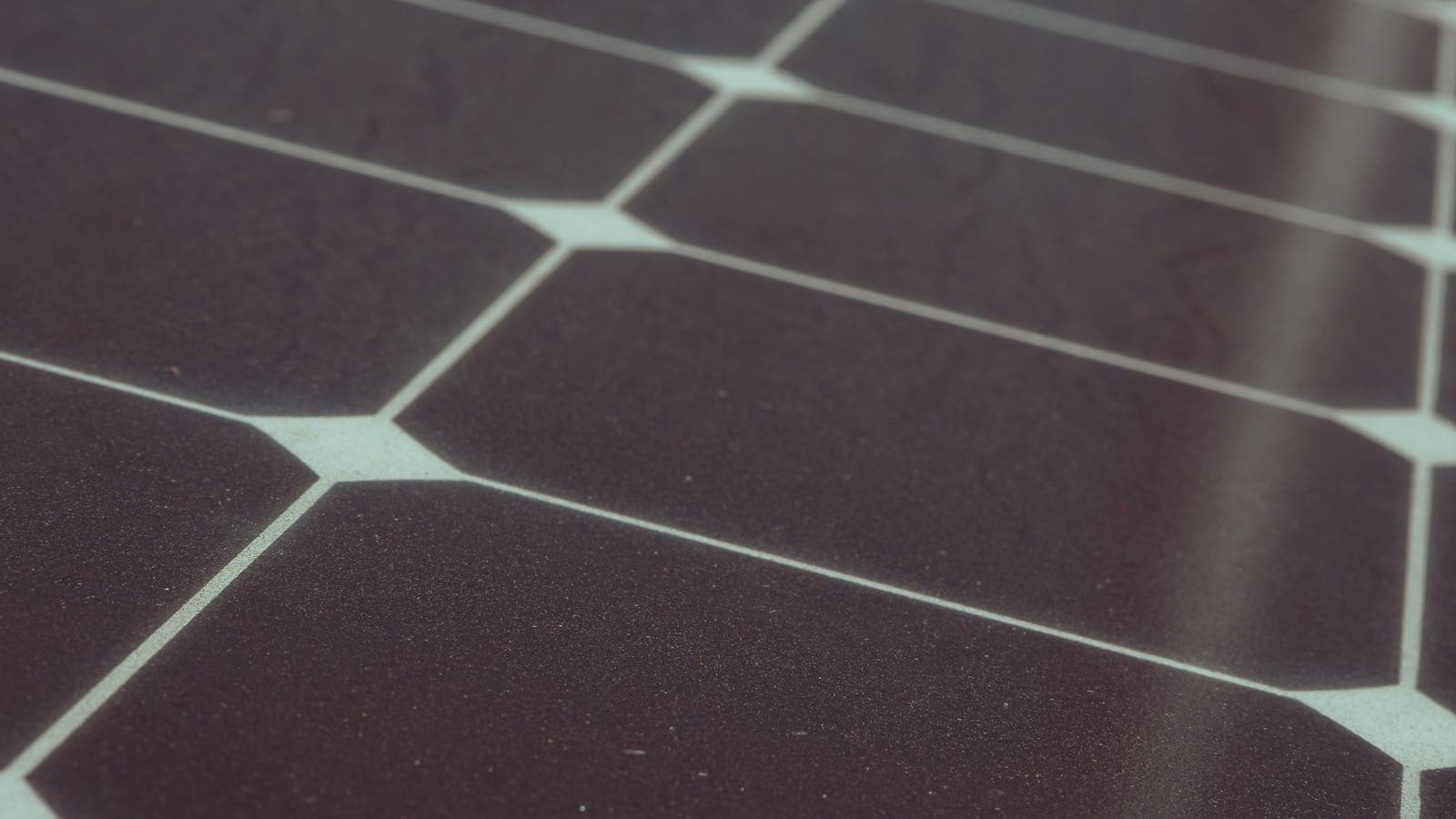
A comprehensive guide to solar panel installation from site assessment to grid connection. Covers rooftop and ground-mount systems with LONGi Hi-MO panels.
Overview of the Installation Process
Installing solar panels involves several key stages: site assessment, system design, permitting, physical installation, electrical wiring, and commissioning. While professional installation is always recommended, understanding the process helps you make informed decisions and communicate effectively with your installer.
Step 1: Site Assessment
- Roof condition: Ensure the roof is structurally sound and has at least 15–20 years of life remaining
- Orientation: South-facing is ideal in the Northern Hemisphere. In the UAE, due south with 20–25° tilt is optimal
- Shading analysis: Use a solar pathfinder or software like PVsyst to map shading throughout the year
- Available area: Measure usable roof area excluding vents, HVAC units, and setbacks
- Structural load: Verify the roof can support 15–20 kg/m² additional load
Step 2: System Design
A qualified solar engineer will design your system considering:
- Panel selection (e.g., LONGi Hi-MO 7 590W for maximum efficiency)
- Inverter sizing and MPPT configuration
- String sizing based on panel Voc, Isc, and inverter input ranges
- Cable sizing for DC and AC runs
- Mounting system selection (rail-based or rail-less)
Step 3: Permitting and Approvals
In the UAE, solar installations require approval from the local utility (DEWA in Dubai, ADDC in Abu Dhabi). Key requirements include:
- Building ownership documentation
- System design drawings signed by a licensed engineer
- Use of approved equipment (panels, inverters, meters)
- Installation by a certified contractor
Step 4: Physical Installation
Mounting System
- Install roof anchors or ballast blocks according to the mounting system design
- Attach aluminium rails to the anchors, ensuring level alignment
- Ground the mounting system with copper earth wire
Panel Mounting
- Place LONGi panels on the rails starting from the bottom row
- Secure with mid-clamps and end-clamps at the manufacturer's specified torque
- Maintain minimum 20mm gaps between panels for thermal expansion and drainage
- Connect MC4 connectors between panels in each string
Step 5: Electrical Wiring
- Run DC cables from panel strings to the inverter location through conduit
- Install DC isolator switch near the inverter
- Connect strings to the inverter MPPT inputs
- Install AC isolator and circuit breaker on the inverter output
- Connect to the distribution board and export meter
Step 6: Commissioning
- Inspect all connections and ensure correct polarity
- Test insulation resistance of DC cables
- Measure open-circuit voltage and short-circuit current of each string
- Power on the inverter and verify grid synchronisation
- Monitor system for 24–48 hours to verify expected output
Safety Considerations
- Always work with a qualified electrician for all electrical connections
- Use appropriate fall protection when working on rooftops
- Never work on the system during wet conditions
- DC voltages from panel strings can exceed 600V — treat all connections as live
Before the first rail goes on, know the count: the sizing calculator gives the number of panels and the roof area, and the solar panel kit guide explains the panel, inverter and battery lines of our ready-made systems.
Frequently Asked Questions
How long does solar panel installation take?
A typical residential installation (5–15 kW) takes 1–3 days for the physical installation. The entire process including permitting takes 4–8 weeks in the UAE.
Can I install solar panels myself?
While the physical mounting is relatively straightforward, electrical connections must be done by a licensed electrician. In the UAE, installations must be performed by DEWA/ADDC-certified contractors to qualify for net metering.
Do I need to reinforce my roof for solar panels?
Most modern roofs can support solar panels without reinforcement. A typical system adds 15–20 kg/m². However, a structural assessment is recommended, especially for older buildings.
Frequently Asked Questions
How long does installation take?
Can I install solar panels myself?
Do I need to reinforce my roof?
- #solar panel installation
- #how to install solar panels
- #rooftop solar
- #LONGi Hi-MO installation
- #DEWA solar approval
- #solar panel mounting
- #grid-connected solar
Ready to order?
Every unit in the catalogue carries its price — add it to the cart and order online, then collect it from our store in Dubai or Riyadh.