LONGi Solar Panel Degradation Rate: 0.4%/Year Explained
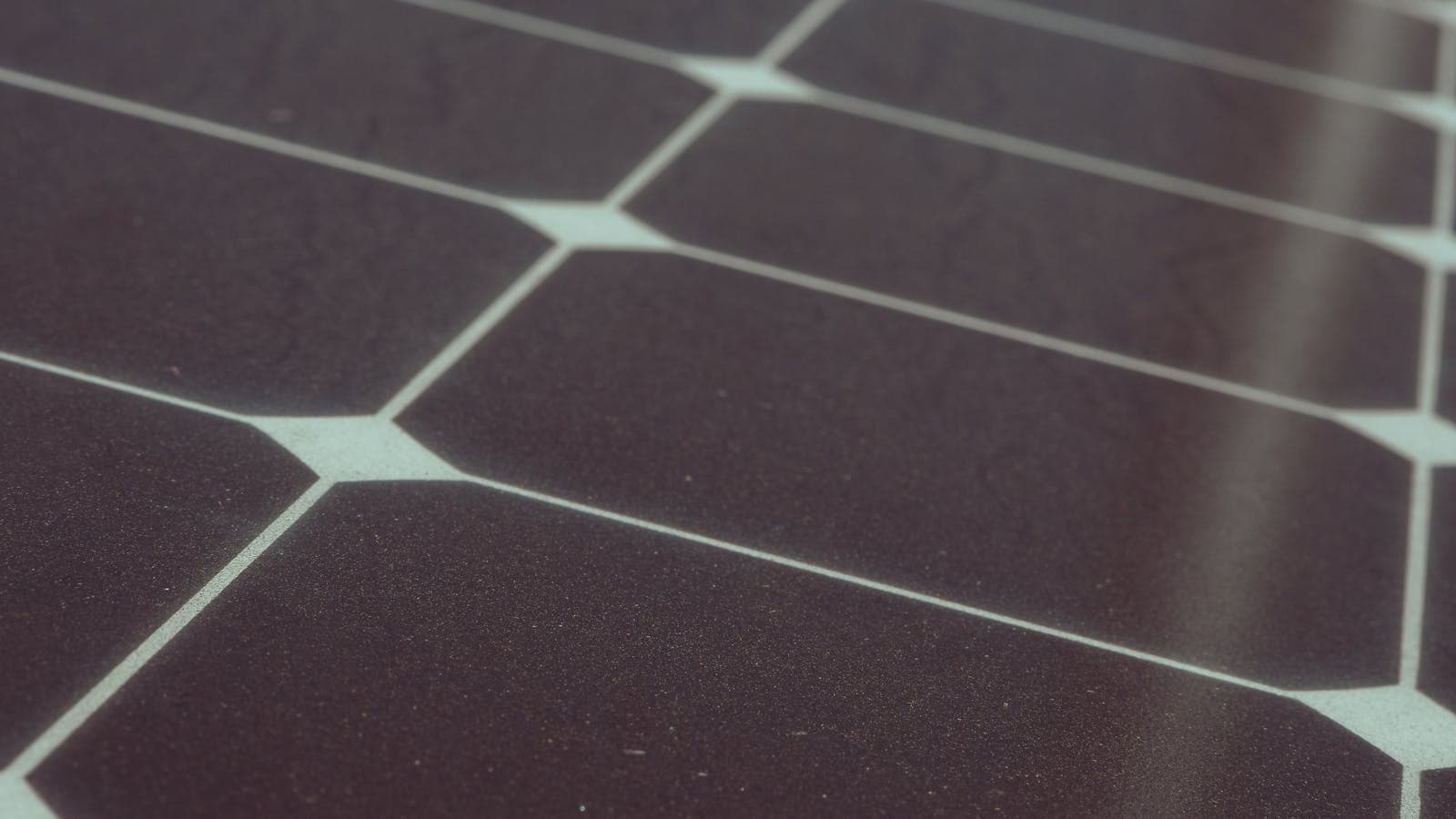
Learn about solar panel degradation rates by technology. N-type TOPCon panels like LONGi Hi-MO 7 degrade just 0.4%/year, retaining 89% output after 25 years.
What Is Solar Panel Degradation?
All solar panels gradually lose power output over their lifetime through a natural process called degradation. This occurs due to UV exposure, thermal cycling, moisture ingress, and internal cell defects. Understanding degradation rates is critical for estimating long-term energy yield and financial returns.
Types of Degradation
1. Light-Induced Degradation (LID)
Occurs in the first hours of sun exposure. P-type PERC cells lose 1–3% from boron-oxygen defects. N-type cells (LONGi Hi-MO 7) are virtually immune, losing less than 0.5%.
2. Potential-Induced Degradation (PID)
Caused by high voltage and humidity. P-type cells require anti-PID treatment. N-type cells have inherent PID resistance.
3. Annual Degradation
Slow, continuous power loss from UV damage, encapsulant yellowing, and cell micro-defects.
Degradation Rates by Technology
| Technology | First-Year Loss | Annual Rate | Output at Year 25 | LONGi Product |
|---|---|---|---|---|
| Polycrystalline | 3.0% | 0.70%/year | ~80% | N/A |
| Mono PERC (P-type) | 2.0% | 0.55%/year | ~84.8% | Hi-MO 6 |
| N-type TOPCon | 1.0% | 0.40%/year | ~89.4% | Hi-MO 7 |
| HJT | 1.0% | 0.40%/year | ~89.4% | N/A |
Why N-type Panels Degrade Less
- No B-O defects: Phosphorus doping eliminates boron-oxygen LID
- Better passivation: TOPCon's tunnel oxide layer protects the cell surface
- Higher-quality wafers: N-type silicon has fewer defects and higher purity
- PID immunity: Eliminates a major source of field degradation
Financial Impact of Degradation
For a 20 kW system over 25 years in Dubai:
- Mono PERC (0.55%/year): Cumulative energy = 691,000 kWh
- N-type TOPCon (0.40%/year): Cumulative energy = 713,000 kWh
- Difference: 22,000 kWh more from N-type = ~AED 9,900 additional value over 25 years
How to Minimise Degradation
- Choose N-type panels (LONGi Hi-MO 7) with lowest degradation rates
- Ensure proper ventilation to reduce thermal stress
- Avoid micro-cracking during installation — handle panels carefully
- Use quality mounting systems that minimise mechanical stress
- Monitor system output to detect abnormal degradation early
Frequently Asked Questions
How much do solar panels degrade per year?
N-type TOPCon panels like LONGi Hi-MO 7 degrade at 0.40%/year. Mono PERC degrades at 0.55%/year. Polycrystalline degrades at 0.70%/year.
Do solar panels last 25 years?
Yes. Premium panels like LONGi Hi-MO 7 are warrantied for 30 years and will continue producing beyond that, though at reduced output. After 25 years, expect approximately 89% of original output for N-type panels.
Can degradation be reversed?
No. Degradation is a permanent, irreversible process. However, choosing panels with low degradation rates (N-type) minimises lifetime losses.
Frequently Asked Questions
How much do panels degrade per year?
Do panels last 25 years?
Can degradation be reversed?
- #solar panel degradation
- #degradation rate solar
- #LID PID degradation
- #LONGi Hi-MO 7 degradation
- #N-type degradation
- #solar panel lifespan
Ready to order?
Every unit in the catalogue carries its price — add it to the cart and order online, then collect it from our store in Dubai or Riyadh.